
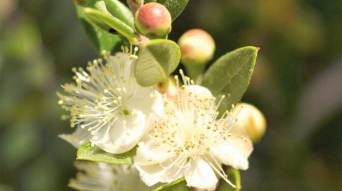
Hadassah: The Story of Esther
Mordecai: a Babylonian name, deriving from the god Marduk. Like Esther, Mordecai may have had a Jewish name as well, although in his case we do not know what it is. The chronology of the book makes him well over one hundred years old, since he was deported with Jehoiachin about 598 B.C
Esther 2:7 He (Mordecai) became foster father to his cousin Hadassah, that is, Esther,*when she lost both father and mother. The young woman was beautifully formed and lovely to behold. On the death of her father and mother, Mordecai adopted her as his own daughter.**
*Esther: a Babylonian name, deriving from the goddess Ishtar. She is given a Hebrew name as well, “Hadassah,” which means “myrtle.”
Her name was changed to Esther to hide her identity upon becoming queen of Persia. The three letter root of Esther in Hebrew is s-t-r ( סתר), “hide, conceal”. The passive infinitive is ( לְהִסָּ֫תֶר), “to be hidden”. also some says secret; hidden
**Esther 2:15
15 As for Esther, daughter of Abihail and adopted daughter of his nephew Mordecai, when her turn came to visit the king, she did not ask for anything but what the royal eunuch Hegai, guardian of the women, suggested. And she won the admiration of all who saw her.

The Hebrew Strong’s Number H635: “star”. The root of the Hebrew word ester is saiter, meaning “concealment.” The three letter root of Esther in Hebrew is s-t-r ( סתר), “hide, conceal”. The passive infinitive is ( לְהִסָּ֫תֶר), “to be hidden”. The name can be derived from the Old Persian stāra (NPer. ستاره setāra, meaning “star”) although some scholars identify Esther with the name of the Babylonian goddess of love Ishtar.
Proverbs 31:29-31 TLV
29 “Many daughters have excelled,
but you surpass them all.”
30 Charm is deceitful and beauty is vain,
but a woman who fears Adonai will be praised.
31 Give her the fruit of her hands.
Let her deeds be her praise at the gates.
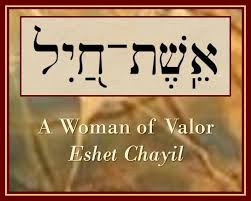
Eishet Chayil in Hebrew: “A Woman of Valor” from Proverbs, which teaches us: “Grace and beauty are false; it is the woman who has awe for her Creator that is blessed in Proverbs 31:30
Please click: Esther’s Hidden Strength
Please click: Esther: Hidden Beauty
Please click: What is Purim? Is it a Biblical Holiday?
Chag Purim Sameach!
 Jesus Christ is New Paschal Lamb of God
You must be logged in to post a comment.