
El-Olam in Hebrew: The Everlasting/Eternal God in English
YHWH/Yeshua: El-Olam
Please click on Genesis 21:33, Isaiah 40:28 and Psalms 90:2
Shalom!
My heart about horses. Yes and I am an animal lover.
I want to share you all about the Beersheba (Beersheva) in TaNaKh and share joyous spiritual story about the history of Beersheba I will not forgot and still thank you for your service Australian soldiers did defeated the Turks victory in Israel in the Name of Yeshua on October 31, 1917. Yes and I believe YHWH was with soldiers rode horses galloped speed clouds of dusting all the way defeating the Turkish soldiers in Israel. Goose bump!
First story about the Beersheba (Beersheva) in Hebrew:
Beersheba (Beersheva) means “Well of Seven” or “Well of the Oath”
Beersheba is the name of the well at which Abraham and Abimelech took an oath (Genesis 21:31). Later Hagar meets the angel (messenger) of YHWH there for the second time (Genesis 21:14 — the first time is at Beer-lahai-roi; Genesis 16:14).
The above shows the first time: “A well of Beer-lahai-roi means the well of the Living One who sees me”
YHWH/Yeshua: El Roi means The Living One who sees (hears) me.
Yes and YHWH appeared Hagar drank the well of spring on Genesis 16:14. Please click Genesis 16.
Beersheba is also the location where God (Elohim) meets Jacob (Israel) (Genesis 46:2, in the verse prior occurs the form בארה שבע, Beerasheba), Isaac (Genesis 26:24) and Elijah the Tishbite (Homesteader, Returnee), on 1 Kings 19:7. A very famous native of Beersheba is Zibiah, the mother of king Joash of Judah on 2 Kings 12:1 and 2 Chronicles 24:1.
I found very excellent article please click on Beersheba
Patriarchs Abraham and Isaac and Jacob:
Beersheba is first mentioned as the site where Abraham, founder of the Hebrew people, made an everlasting covenant with the Philistine king Abimelech of Gerar (Genesis 21). Isaac and Jacob, the other patriarchs, also lived there (Genesis 26, 28, 46).
Beersheba (Beersheva): The name seems to be a Hebrew play on words—beʾer “well”; shevaʿ “oath,” or “seven” (referring to the seven lambs of Genesis 21)—though a Canaanite origin has also been suggested. Beersheba was at the southern edge of permanent agricultural cultivation in ancient Palestine and represented the southern extremity of the Israelite country—hence the phrase “from Dan to Beersheba” (first used in Judges 20; Dan is in far northern Israel).
Abraham and Isaac who both dig a well and close peace treaties with King Abimelech of Gerar at the site. Abimelech conceded that the well belonged to Abraham in TaNaKh (Old Testament).
Beersheba: this is called Abraham’s well.

Genesis 21:22-34 TLV
Covenant of Abimelech and Abraham
22 Now it came about at that same time that Abimelech—with Phicol the commander of his army—said to Abraham, “God is with you in all that you do. 23 So now, make a pledge to me here, by God, that you will not violate your word with me or with my descendants or with my offspring. As I have shown loyalty to you, show the same to me, and to the land in which you have lived as an outsider.”
24 Abraham said, “I make a pledge.” 25 Now Abraham had rebuked Abimelech because of the well of water that Abimelech’s servants had seized. 26 So Abimelech said, “I don’t know who did this thing. Nor did you tell me, nor did I hear about it until today.”
27 Then Abraham took a flock of sheep and cattle and gave them to Abimelech, and the two of them made a covenant. 28 Abraham set seven young ewe-lambs apart from the flock of sheep by themselves. 29 Abimelech said to Abraham, “What do these seven ewe-lambs that you’ve set by themselves mean?”
30 He said, “You are to accept the seven ewe-lambs from my hand, so that they may be a witness for me that I dug this well.” 31 That is why that place is named Beer-sheba, because there both of them made a pledge, 32 and they made a covenant in Beer-sheba. Then Abimelech got up, with Phicol the commander of his army, and they returned to the land of the Philistines.
33 Then he planted a tamarisk tree in Beer-sheba and called there on the Name of Adonai, the Everlasting God. 34 He lived as an outsider in the land of the Philistines for many days.
Scripture verses
1 Samuel 22:6
1 Samuel 31:13

Beersheba, Australian Cavalry Charge 4th and 12th Light Horse Regiments
October 31, 1917
About 800 men and horses made up the 4th Australian Light Horse Brigade. Over 1000 Turkish prisoners were taken. 31 men from the Light Horse were killed, 36 were wounded, 70 horses killed with over 60 wounded. The British lost 171 troops killed in action earlier in the day attempting to take Beersheba.
Date: 31 October 1917
Part of: Third Battle of Gaza
Please click very fascinating map of The history of the Battle of Beersheba: The Light Horsemen’s daring WW1 Cavalry Charge on 31 October 1917
Please click on The Battle of Beersheba
The charge of the Australian Light Horse at Beersheba:
Turkish garrison at Beersheba had 28 artillery guns, nine machine guns, two aircraft and 4400 men. The Australians killed 500 hundred Turks and took 1,500 prisoner, while only losing 31 of their own troopers and 70 horses. It was a stunning victory.
Map of Beersheba, Israel: See horses gallop fast …..
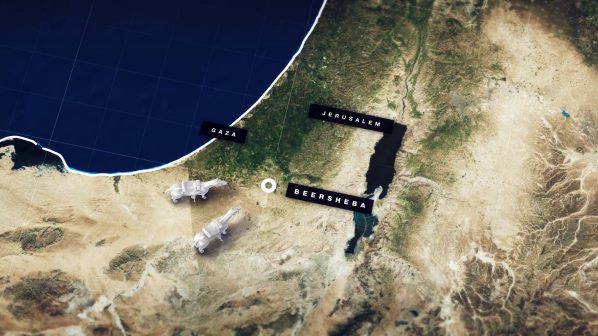
… How? Horses were strong gallop faster than ever clouds of dust thirsting scenting of water water water water water water water Victory!
HalleluYAH! That’s why Beersheba have a well of water. Horses drank water.
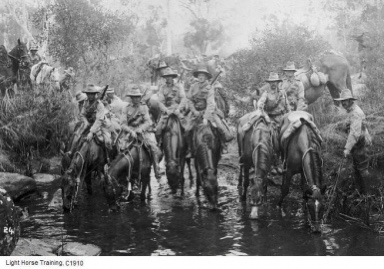
800 Australian Light Horsemen
The fact:
Horses run faster than ever: The canter is a controlled, three-beat gait, while the gallop is a faster, four-beat variation of the same gait. It is a natural gait possessed by all horses, faster than most horses’ trot, or ambling gaits. The gallop is the fastest gait of the horse, averaging about 40 to 48 kilometres per hour (25 to 30 mph).
On October 31, 1917:
Just after 4.30pm in the desert heat of that late autumn, the men set off. Riding west, directly into the sun, first in a canter, but soon breaking into a strong gallop. Kicking up thunderous clouds of dust in three waves the 4th Regiment took the right flank and the 12th the left. Through exploding shells the Light Horsemen, 5 metres apart, galloped with determination and valour. Closer and closer they came till the Turks couldn’t lower their artillery guns any further. These brave men continued on, riding under the Turkish guns, making them ineffective.
As they approached the Turkish trenches, the machine guns now came against them. The Turkish troops in their trenches had set their sights at 1600 metres. As the Light Horse charged closer, in desperation, or confusion caused by the clouds of dust, or for whatever reason, the majority of the Turks did not adjust their sights, shooting over the heads of the advancing horsemen. As they leapt the trenches laced with machine gun bullets, a magnificent cheer went up from the British ranks, even some of the Turks stood and applauded, such was the magnificence of the feat.
The Turks initially resisted, but many then fled their trenches. One Australian who was dazed after having his horse shot from under him, recovered to find his five attackers with their hands up, waiting to be taken prisoner. Military records show many Turks feared wave after wave of horseback warriors. But Chauvel had played his only card. As the desert sun sank, 500 Turkish soldiers lay dead and 2000 had been taken prisoner, although records vary on these tallies. Australian casualties were light, 31 dead and 36 wounded. Close to 70 horses were killed in the charge, with more dropping dead when they pulled in or dying later of their wounds.
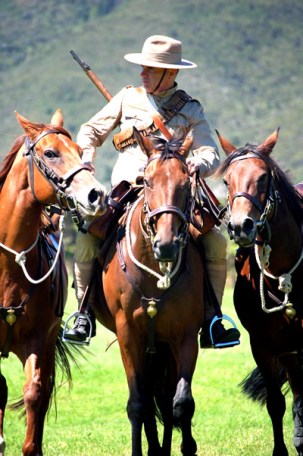
What kind of Australian horses? The Waler please click on the Waler horses
And please click very fascinating facts about the Waler horses in History
Another interesting fact:
On the morning of 31 October 1917, Chetwode’s three British divisions attacked the Turkish positions around Beersheba from the west and south supported by a sustained artillery bombardment of over 100 guns. By 1 pm they had driven the Turks from their defences to the west and south west of Beersheba, but the wells of the town were still in Turkish hands. The 4th Light Horse Brigade waited, scattered over a wide area as a precaution against bombing, to the south-east of the town. Private Hunter: “The Turks immediately started shelling us with heavies. Good cover and tact on our part prevented casualties”. Their horses were unsaddled, watered and fed.
Please click Beersheba: The Charge of the 4th Light Horse
I love watching horses. Please click excellent video of Australian horses
Please recommend and click: by Col. Stringer two books
The Spirit of the (Australian) Light Horse
Australian soldiers,
Thank you all service from USA, diaspora spiritual homeland of Israel, the mother of Jerusalem, the spiritual beloved city. You all are blessing. May YHWH is with you all in Sweet Blood of Pesach Lamb Yeshua’s Mighty Name Amein!
Malachi 3:16


 Jesus Christ is New Paschal Lamb of God
You must be logged in to post a comment.