Shalom in Mashiyach’s Name,
Purim / פּוּרִים
Purim (Celebration of Jewish deliverance as told by Megilat Esther) for Hebrew Year 5781 begins at sundown on and ends at nightfall on .
Purim (Hebrew: פּוּרִים, Pûrîm “lots”, from the word פור pur, also called the Festival of Lots) is a Jewish holiday which commemorates the saving of the Jewish people from Haman in the ancient Persian Empire, a story recorded in the Biblical Book of Esther (Megillat Esther).
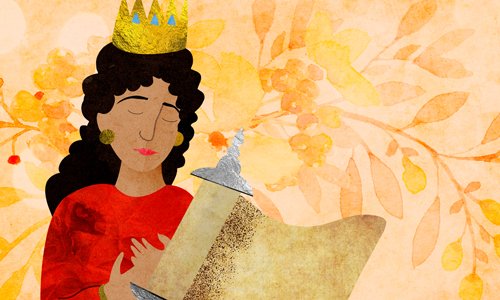
This is an encouraging edification message for whole women every nations of this world. I love reading and learning deep spiritual pondering thru Sweet Divine Torah is Light, Ruach (Spirit), Holy and Love every Torah parashah weeks.
The Parsha recounting Sarah’s death is called “Chayei Sarah” – the life of Sarah, to teach us that the awareness of death gives meaning and inspiration to life.
Please click video of Sarah and Esther have subtitles.

We all read The Book of Esther (Hebrew: מְגִלַּת אֶסְתֵּר, Megillat Esther), also known in Hebrew as “the Scroll” (Megillah), is a book in the third section (Ketuvim, כְּתוּבִים “Writings”) of the Jewish TaNaKH (TaNaCH) (the Hebrew Bible. It is one of the five Scrolls (Megillot) in the Hebrew Bible.
Megillah is singular.
Megillot are plural.
Megillah, also spelled Megilla, Hebrew Megillah (“Scroll”), plural Megillot, in the Hebrew Bible, any of the five sacred books of the Ketuvim (the third division of the Old Testament), in scroll form, that are read in the synagogue in the course of certain festivals. The Song of Solomon (Song of Songs) is read on the sabbath of Pesach (Passover) week, the Book of Ruth on Shavuot, Lamentations of Jeremiah on Tisha-be-Av, Ecclesiastes on the sabbath of the week of Sukkot, and the Book of Esther on Purim. The reading of Esther on Purim is prescribed in the Mishna; other readings were introduced in post-Talmudic days. Some says The “five rolls”.
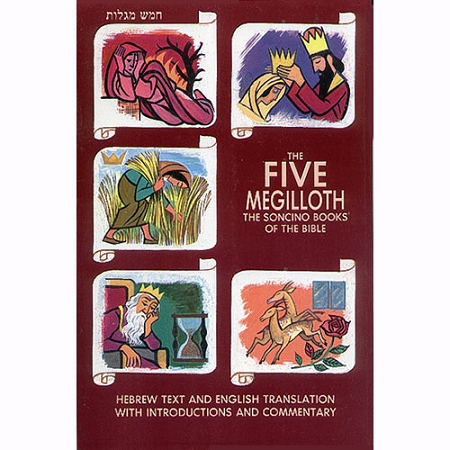
Purim (Lots) (held on the 14th day of the Hebrew month of Adar — usually March or April) commemorates the day Esther, Queen of Persia, saved the Jewish people from execution by Haman, the advisor to the Persian king.
Chayei Sarah We all read October 30, 2021 / 24 Heshvan (Cheshvan) 5782:
Summary
חַיֵּי שָׂרָה The Life of Sarah Genesis 23:1−25:18
- Abraham purchases the cave of Machpelah in order to bury his wife Sarah. (23:1-20)
- Abraham sends his servant to find a bride for Isaac. (24:1-9)
- Rebekah shows her kindness by offering to draw water for the servant’s camels at the well. (24:15-20)
- The servant meets Rebekah’s family and then takes Rebekah to Isaac, who marries her. (24:23-67)
- Abraham takes another wife, named Keturah. At the age of one hundred and seventy-five years, Abraham dies, and Isaac and Ishmael bury him in the cave of Machpelah. (25:1-11)
Genesis 23:1 TLV Now Sarah’s life was 127 years—the years of Sarah’s life. 2 Sarah died in Kiriath-arba (that is, Hebron), in the land of Canaan. Abraham came to mourn for Sarah and to weep over her.
Please click Genesis 23

Deep spiritual descendants of Sarah to Esther toward me, you all:
When Rabbi Akiva saw his students dozing off during a lecture, he awoke them by asking, “What did Esther contemplate that caused her to rule 127 provinces? He answered that she had reflected on the life of Sarah, who lived 127 years” (Midrash – Berieshit Rabba 58:3). Sarah lived a full 127 years, each moment utilized to the fullest. Her life furnished Esther with the model she needed to reach her full potential. The same consideration, Rabbi Akiva implied to his students, should lead them to remain attentive and not slumber during their learning.
The Parsha recounting Sarah’s death is called “Chayei Sarah” – the life of Sarah, to teach us that the awareness of death gives meaning and inspiration to life.
Rabbi Akiva was once sitting and lecturing, and the community [his students] was falling asleep. To arouse them, he said: How could Esther rule over one hundred and twenty seven provinces? It should be that Esther, a descendant of Sarah who lived to one hundred and twenty seven, to rule over one hundred and twenty seven provinces.

“Learning from Sarah’s Life”
The Midrash attaches symbolism to the 127 years that Sarah lived. “Let Esther, the descendant of Sarah who lived for 127 years, come and rule over 127 provinces.”
Another commentary Bereshit Rabbah 58:3 please click on Rabbi Akiva’s excellent view on Genesis 23:1
The explanation is that Esther had a life of trials and tribulations. She was an orphan. She was taken against her will to the palace of the King… Esther could have forsaken her people in exchange for the success and the fame that she was receiving. However, Esther remained rock solid in her faith. She did not let events shape her life. She maintained herself. Therefore, Esther could rule over 127 provinces.

Yeshua came back to Jerusalem the next day of his triumphal entry in Jerusalem and was sad to see how Jerusalem of that time was spiritually dead. Matthew 4:23 TLV Yeshua was going throughout all the Galilee, teaching in their synagogues and proclaiming the Good News (Besorah) of the kingdom, and healing every kind of disease and sickness among the people.

And if Mashiyach has not been raised, our preaching is pointless (useless, worthless, empty, vain), and your faith is pointless too. (1 Corinthians 15:14)
Besorah (Good News): Yeshua haMashiyach – The Victory of the Resurrection please click Resurrection
The Messianic Hope in John 4:25-26 TLV
25 The woman (Samaritan woman) tells Him, “I know that Messiah is coming (He who is called the Anointed One.)[c] When He comes, He will explain everything to us.”
26 Yeshua tells her, “I—the One speaking to you—I am.”
Chag Purim Sameach (Happy Purim). The phrase Chag sameach means “happy holiday” and can be used for any joyous Jewish holiday. Please click Purim
 Jesus Christ is New Paschal Lamb of God
You must be logged in to post a comment.