
Today is Chag haMatzah is High Shabbat (High Holy Day) is on 15th of Nisan, 5782 (April 16, 2022) same time Shabbat means Seven. Double Sabbaths are Holy.
The key is Chag haMatzah:
Do this in memorial of Me (Yeshua) on April 4, 30 CE Thursday, (15th of Nisan/Abib), Chag haMatzah was High Shabbat, the Roman soldiers followed the Roman Law.
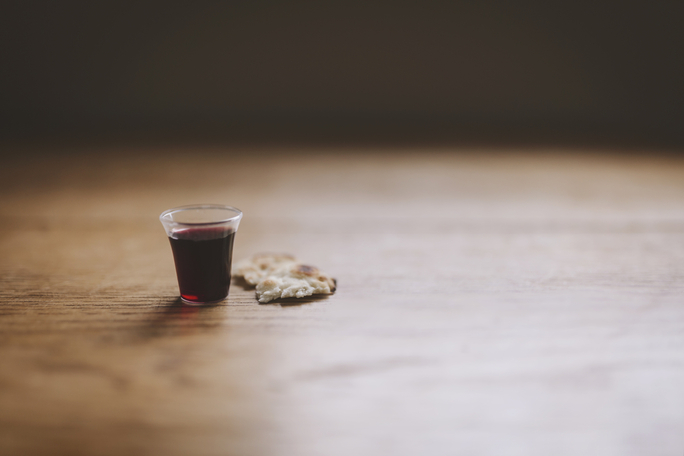
A piece of matzah:
Luke 22:19 CJB Also, taking a piece of matzah, he made the b’rakhah*, broke it, gave it to them and said, “This is my body, which is being given for you; do this in memory of me.”
We all see the piece of matzah is on 15th of Nisan/Abib Yeshua DID served Pesach Lamb on 14th late afternoon toward sunset, 14th became new 15th is High Holy Day (High Shabbat) we all click read Leviticus 23:4-8.
Note the appearance photo of the matzah. It is easy to see what looks like bruises and stripes, and that it is pierced. Isaiah prophesied about Yeshua haMashiyach:
He was pierced for our transgressions, He was bruised for our iniquities; the punishment that brought us peace was upon Him, and by His stripes we are healed.” [Isaiah 53:5].


Bless Andrew G. Roth:
Deuteronomy 22:18 TLV The elders of that city are to take the man and punish him.
YASAR (22:18) = flog or whip, presumably with 39 lashes, which is the rabbinic fence to make sure never to go over the maximum Torah mandated 40 lashes, and Torah itself only puts 40 as a maximum and does not prohibit administering only 39 (Deuteronomy 25:1-3).
The details in this commandment also would extend past this historical moment in the text and link to earlier mechanisms in Torah to investigate adultery as well, such as the water of cursing given in Numbers 5, meaning a husband who falsely accuses his wife by that process could also face 39 lashes. It is an open question however, given the fact that 40 years separate Numbers 5 from Deuteronomy 22 and 25 if the lashes would have been applied in the years in between these separated procedures.
Also 2 Corinthians 11:24 has Paul tell us he was flogged with thirty-nine lashes on three separate occasions, and this is just one more in a whole series of examples where the NT tells us what aspects of the Oral Law were current in 1st century Israel.
And finally, I should also point out that the Romans, when flogging Yeshua, had no such limitations on the number of stripes they could administer. A man condemned by the Sanhedrin would not likely get too many pleas in his behalf to not exceed the Torah limits.
Luke 22:19 we all see the basic hebrew word *b’rakhah (bracha) berakhah, bracha, brokho, brokhe is a formula of blessing or thanksgiving in special daily prayers (both private and public ceremony).
Please click Luke 22:19
The basic Hebrew b’rakhah is singular (Hebrew ברכה; plural b’rakhot; related to the word baruch).
….do this in memory of me (Yeshua):
H4213 zeker is noun comes from H2142 zakar is verb.
H2143 zeker (noun)
1) memorial, remembrance
1a) remembrance, memory
1b) memorial
H4212 zakar (verb) Brown-Driver-Briggs’
1) to remember, recall, call to mind
1a) (Qal) to remember, recall
1b) (Niphal) to be brought to remembrance, be remembered, be thought of, be brought to mind
1c) (Hiphil)
1c1) to cause to remember, remind
1c2) to cause to be remembered, keep in remembrance
1c3) to mention
1c4) to record
1c5) to make a memorial, make remembrance
On Chag haMatzah always is on 15th of Nisan/Abib, (Feast of Unleavened Bread), is High Shabbat (1st holy and last holy).
We all read Yeshua DID served Pesach Seder was on 14th in the very late afternoon toward sunset, 14th became new 15th:
Chag haMatzah (Feast of Unleavened Bread)

Do this in memorial of Yeshua Himself Perfect Blood Pesach lamb Substitutor was at the Romans soldiers continually flogged Yeshua no merciless limitations under the Romans Law by the hands of Pontius Pilate was the fifth governor of the Roman province of Judaea, serving under Emperor Tiberius from 26/27 to 36/37 AD. Read Matthew 27, Mark 15, Luke 23, and John 18:28 we all see in order of four gospels (Good News) Matthew, Mark, Luke, and John.

The Hebrew word: yasar in H3256
יסר
yâsar
BDB Definition:
1) to chasten, discipline, instruct, admonish
1a) (Qal)
1a1) to chasten, admonish
1a2) to instruct
1a3) to discipline
1b) (Niphal) to let oneself be chastened or corrected or admonished
1c) (Piel)
1c1) to discipline, correct
1c2) to chasten, chastise
1d) (Hiphil) to chasten
1e) (Nithpael) to teach
Part of Speech: verb
A Related Word by BDB/Strong’s Number: a primitive root
 Jesus Christ is New Paschal Lamb of God
You must be logged in to post a comment.