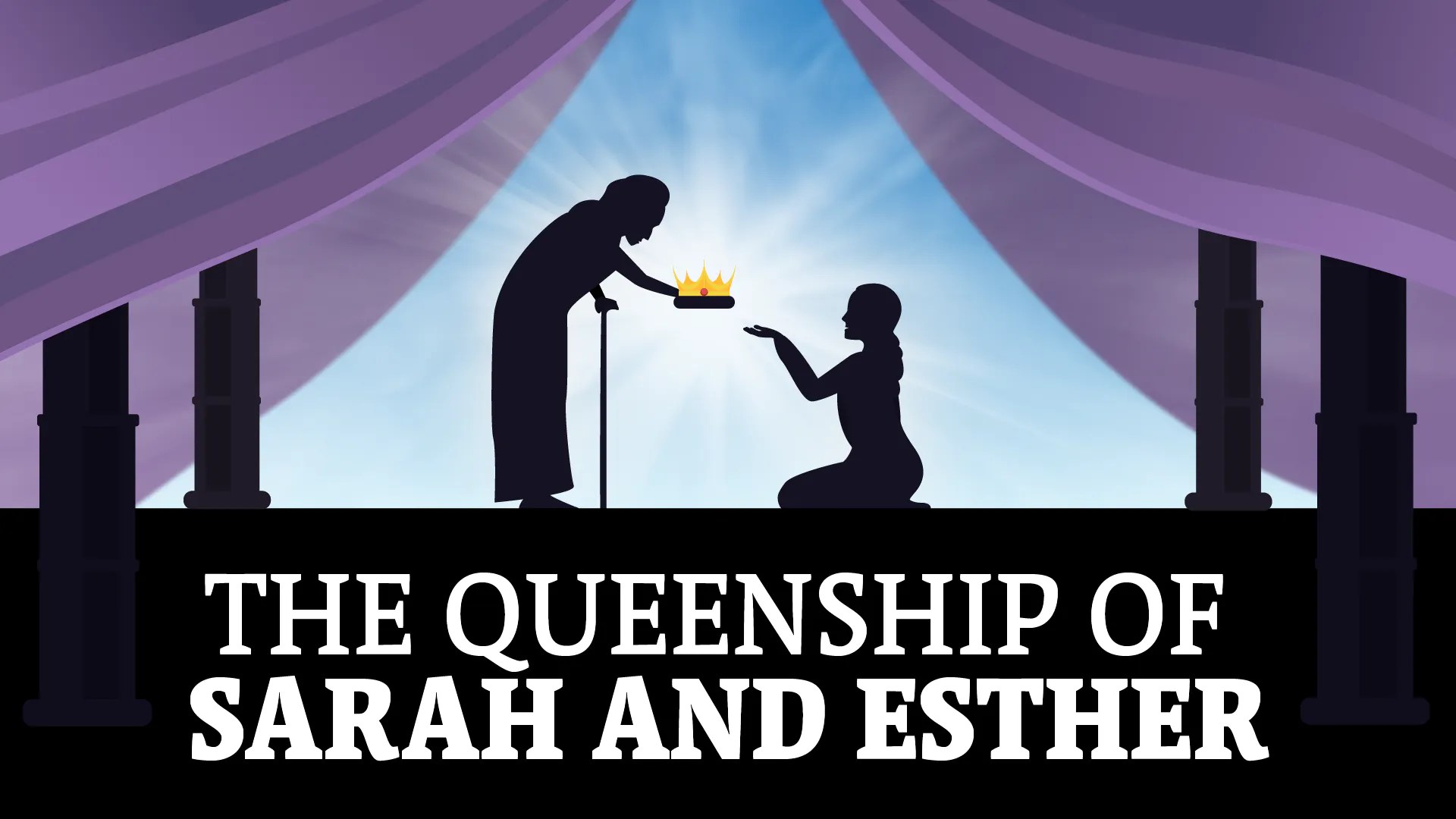
Parshat Chayei Sarah – which translates to “The Life Of Sarah” – tells us that Sarah lived to the age of 127. The key is 127 = please click on 127 Sarah and Esther have mysteriously deep connection bond. My one of many favorite rabbis Rabbi Jonathan Sacks Sarah and Esther.
Jewish Calender on Purim 2023 (5783) begins Monday night, March 6 and continues through Tuesday, March 7.
Esther: a Babylonian name, deriving from the goddess Ishtar. She is given a Hebrew name as well, “Hadassah,” which means “myrtle.”


I love reading this is sweet simple today’s reading by Catholic Irish Jesuits. Bless this spiritual nourishment devotional life about Esther in the Bible. Share you all are blessing. 🤟💜🙏🕊️
Esther 1 to 10 Chapter: https://bible.usccb.org/bible/esther/0
Thursday of Week 1 of Lent – First Reading
Commentary on Esther C:12, 14-16, 23-25*
Esther, a Jewish woman and queen to King Assuerus (Greek, Xerxes) of Persia, used her influence to avert a massacre of her people by the Persians. As she prepared to enter the presence of the king she made the prayer in today’s passage.
She prays to God to stretch his protecting hand over his people and to help her, particularly in the task she has to do. She acknowledges her weakness and that, without God’s help, there is nothing she can do. But she, so to speak, reminds God of the promises he made long ago to his chosen people, chosen as a “lasting heritage”. It is a prayer of pure petition.
She knows that she and her people are totally in God’s hands. She does not threaten or try to manipulate God or bargain with him. She leaves the outcome entirely to him.
We are encouraged by today’s Gospel to ask, to search, and to knock as a way of acknowledging our total dependence on God. At the same time, whatever we ask for, like Esther, we leave the outcome totally in his hands. As Jesus prayed in the Garden: ‘Father, not my will but yours be done.’
_________________________
*The text references vary from Bible to Bible. The Book of Esther consists of an original Hebrew text with a later (but pre-Christian) text in Greek added. Non-Catholic bibles tend to omit the Greek text as apocryphal. Today’s reading comes from a part of the Greek text.
 Jesus Christ is New Paschal Lamb of God
You must be logged in to post a comment.