According to the Merriam-Webster dictionary, metanoia is defined as “a transformative change of heart; especially: a spiritual conversion.” [1] This word comes from the Greek metanoiein, which is often translated as “to change” or “repentance.” In Aramaic, this word can mean “returning home.” The biblical use of metanoia mirrors this definition perfectly and is used in passages referring to our repentance and rebirth in Christ.

Literally repentance or penance. The term is regularly used in the Greek New Testament, especially in the Gospels and the preaching of the Apostles. Repentance is shown by faith, baptism, confession of sins, and producing fruits worthy of penance. It means a change of heart from sin to the practice of virtue. As conversion, it is fundamental to the teaching of Christ, was the first thing demanded by Peter on Pentecost, and is considered essential to the pursuit of Christian perfection. (Etym. Greek metanoein, to change one’s mind, repent, be converted, from meta- + noein, to perceive, thing, akin to Greek noos, nous, mind.)
I researched more metanoia (from the Greek μετάνοια, metanoia, changing one’s mind) is commonly understood as “a transformative change of heart; especially: a spiritual conversion”.
What does this mean? I agree below:
Metanoia, and by extension, repentance, is a changing of the mind. “Meta” comes from the root for “after” or “beyond,” while “noeo” is “to think.” So metanoeo means to reconsider or to rethink something.
1768, “penitence, spiritual conversion,” from Greek metanoia “afterthought, repentance,” from metanoein “to change one’s mind or purpose,” from meta, here indicating “change” (see meta-) + noein “to have mental perception,” from noos “mind, thought,” which is of uncertain origin. Check metanoia

Amen! This reminds me penitence, spiritual conversion of two thieves men were crucified at the same time as Yeshua, one on his right and one on his left:
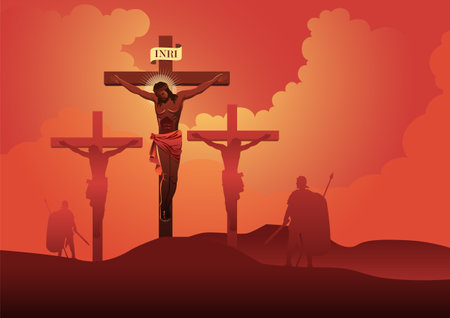
Impenitent thief (left) Gestas
Penitent thief (right) Saint Dismas
On the left of Yeshua/Jesus was a man named Gestas—to complain or to moan in Greek—and on the right, Dismas—the Greek word for “death” or “sunset.
Luke 23:39-43 TLV
39 One of the evildoers hanging there was jeering at Him, saying, “Aren’t You the Messiah? Save Yourself—and us!”
40 But the other one, rebuking him, replied, “Don’t you fear God, since you are under the same sentence? 41 We’re getting what we deserve for our actions, and rightly so—but this One has done nothing wrong.” 42 And he said, “Yeshua, remember me when You come into Your kingdom.”
43 Yeshua said to him, “Amen, I tell you, today you shall be with Me in Paradise.”
Isaiah 53:12 fulfilled Luke 22:37
Isaiah 53:12 Therefore I will give him his portion among the many,
and he shall divide the spoils with the mighty,
Because he surrendered himself to death,
was counted among the transgressors,
Bore the sins of many,
and interceded for the transgressors
Luke 22:37 For I tell you that this scripture must be fulfilled in me, namely, ‘He was counted among the wicked’; and indeed what is written about me is coming to fulfillment.”
 Jesus Christ is New Paschal Lamb of God
You must be logged in to post a comment.