Share both Catholic Pentecost 2023 and Jewish Shavuot 5783:
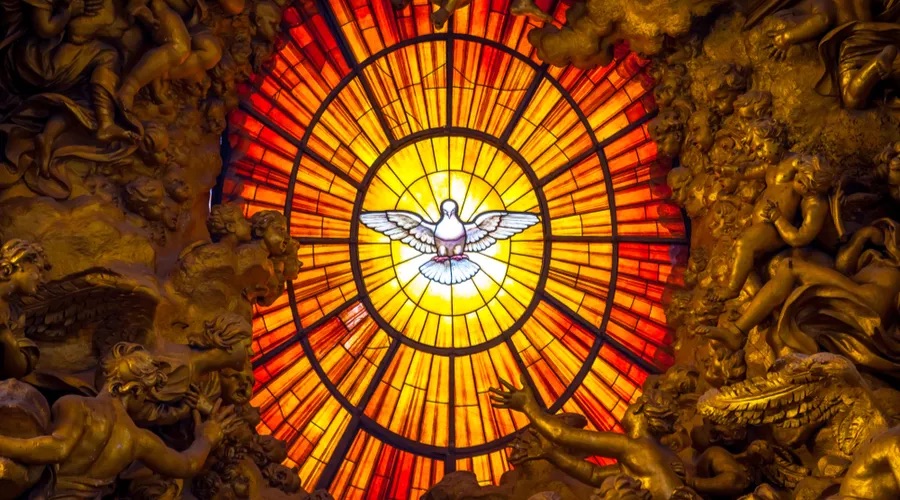
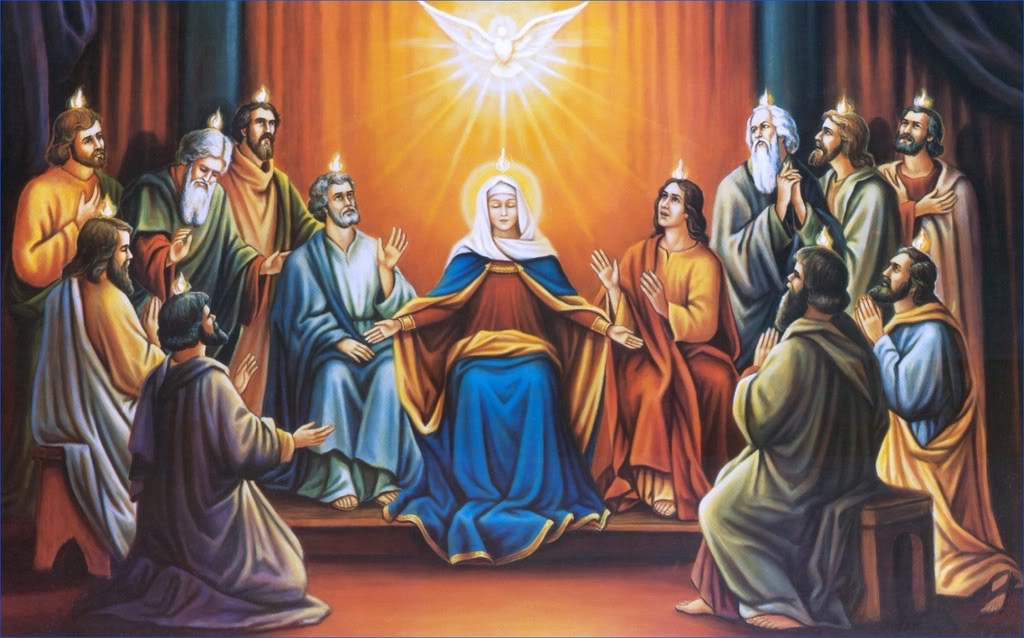
Catholic: Sunday on May 28, 2023 is the Solemnity of Pentecost.
Pentecost, also known as Whitsunday, will be celebrated on May 28 this year. The word has its roots in the Greek word ‘pentecoste,’ which means ‘50th day.’ Pentecost is a major festival in the Christian church and is celebrated by believers on the Sunday that falls on the 50th day of Easter. This day is marked by Catholic priests dressing up in red robes and draping the altar of the church in red cloth. Believers would often choose to get baptized on Pentecost, and today it has become the most common day for baptism. Simply put, Pentecost marks the beginning of the Christian church’s mission to the world.
Shavuot: The Day of the Giving of the Torah
I found and agree with their view on Shavuot:
In the Torah, a date is prescribed for all of the holidays, except for one: Shavuot. The Torah (Leviticus 23:15) commands us to count 49 days – seven weeks – beginning the second day of Passover. On the fiftieth day, we are to observe Shavuot. Shavuot is not connected to a date, but rather is always the fiftieth (50) day of the Omer. Back when the months didn’t have fixed lengths, Shavuot could occur on the fifth, sixth, or seventh of Sivan.
Chabad: Shavuot
Shavuot is a two-day Jewish holiday that falls on the Hebrew calendar dates of Sivan 6–7. Here are the coinciding secular dates for the upcoming years:
Shavuot 2023 (5783) begins at sundown on Thursday May 25, 2023, and concludes at nightfall on Shabbat, May 27, 2023. The 10 Commandments are read on May 26, 2023. Yizkor is on May 27.
Why two-day? Israel and Diaspora of Israel homeland after Jewish State of the temple ended in 70 CE…..
Shavuot is a two-day holiday, beginning at sundown following the 5th of Sivan and lasting until nightfall of the 7th of Sivan (May 25-27, 2023).
In Israel it is a one-day holiday, ending at nightfall of the 6th of Sivan.
In Hebrew Shavuot means Festival of the Weeks
Shavuot, also called Pentecost aka 50 day, in full Ḥag Shavuot, (“Festival of the Weeks”), second of the three Pilgrim Festivals of the Jewish religious calendar. It was originally an agricultural festival, marking the beginning of the wheat harvest
Aish: Please click Shavuot
Mishna: On Pesach we read from the section of the festivals in Vayikra (“and he called). On Shavuot, ‘Seven weeks’ [Devarim 16, 9ff]. (Megilah 30b)
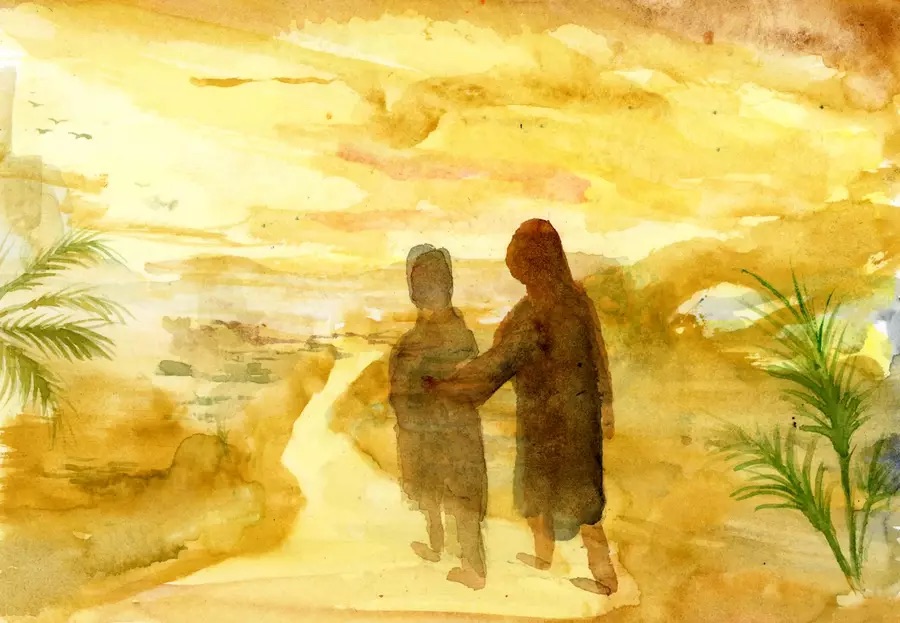

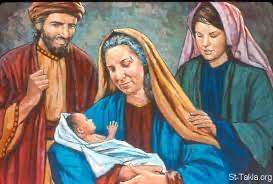
Every annual traditional Shavuot we all read the Book (Megillah) of Ruth. Why?
Because we read Ruth and her story on this particular holiday (Shavuot) we read on Ruth 2:23 is the answer:
So she (Ruth) stayed close to Boaz’s female workers, gleaning until both the barley harvest and the wheat harvest were completed. Meanwhile she lived with her mother-in-law (Naomi).
a. the barley harvest (Pesach)*
b. the wheat harvest (Shavuot)
*Pesach (Passover/Paschal) always is on 14 Nisan/Abib serve Pesach Seder on table begins in the late afternoon toward sunset (always sunset to sunset):
14 Nisan/Abib becomes “new” 15 Nisan/Abib
Chag haMatzah (Feast of Unleavened Bread is on 15 Nisan/Abib) is High Shabbat (High Holy day)
At sunset, 15 Nisan/Abib becomes “new” 16 Nisan is the key:
Ruth worked fields on 16th Nisan (Yom haBikkurium/FirstFruits) same time Sefirat haOmer (Counting the Omer always is on 16th Nisan/Abib)

After Orpah left, Ruth went with her beloved mother in law Naomi.
The major reasons of Ruth showed her true loyalty to Naomi (mother in law) we all read Ruth 1:6-18 LSB especially verses 16-17:
Ruth Is Determined to Go with Naomi (to Bethlehem)
6Then she arose with her daughters-in-law and returned from the fields of Moab, for she had heard in the fields of Moab that [†]Yahweh had visited His people to give them [†]food. 7So she went forth from the place where she was, and her two daughters-in-law with her; and they went on the way to return to the land of Judah. 8And Naomi said to her two daughters-in-law, “Go, return each of you to her mother’s house. May Yahweh [†]show lovingkindness with you as you have [†]shown with the dead and with me. 9May Yahweh grant that you may find rest, each in the house of her husband.” Then she kissed them, and they lifted up their voices and wept. 10And they said to her, “No, but we will return with you to your people.” 11But Naomi said, “Return, my daughters. Why should you go with me? Have I yet sons in my womb, that they may be your husbands? 12Return, my daughters! Go, for I am too old to have a husband. If I said I have hope, if I should even have a husband tonight and also bear sons, 13would you therefore wait until they were grown? Would you therefore refrain from marrying? No, my daughters; for it is more bitter for me than for you, for the hand of Yahweh has gone forth against me.” 14And they lifted up their voices and wept again; and Orpah kissed her mother-in-law, but Ruth clung to her.
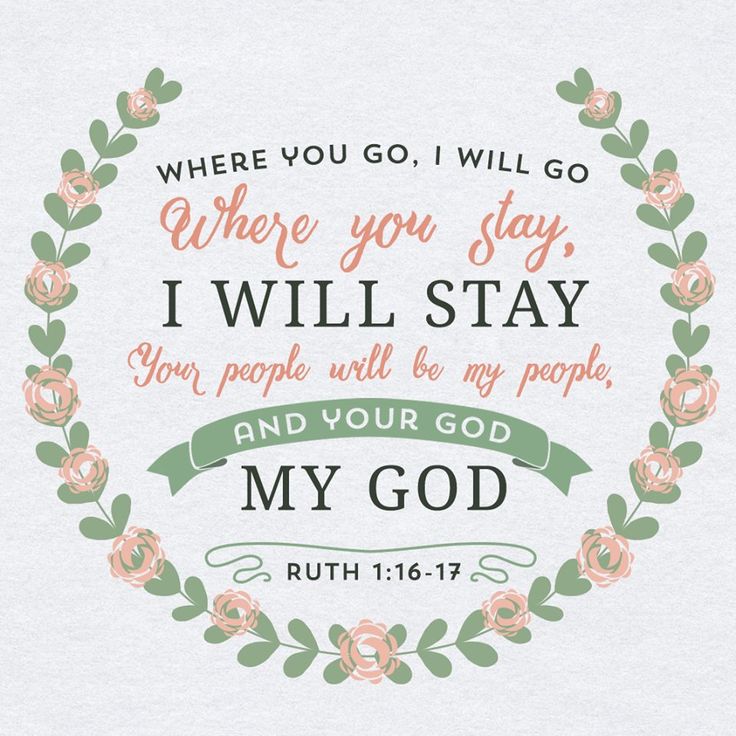
15Then she said, “Behold, your sister-in-law has returned to her people and her gods; return after your sister-in-law.” 16But Ruth said, “Do not press me to forsake you in turning back from following you; for where you go, I will go, and where you lodge, I will lodge. Your people shall be my people, and your God, my God. 17Where you die, I will die, and there I will be buried. Thus may Yahweh do to me, and more, if anything but death separates you and me.” 18So she saw that she was determined to go with her, and she [†]said no more to her.
19Then they both went until they came to Bethlehem. Now it happened, when they had come to Bethlehem, all the city was stirred because of them, and [†]the women said, “Is this Naomi?” 20She said to them, “Do not call me [†]Naomi; call me [†]Mara, for [†]the Almighty has dealt very bitterly with me. 21I went out full, but Yahweh has caused me to return empty. Why do you call me Naomi? Yahweh has answered against me, and [†]the Almighty has brought calamity against me.”
We all read verse 22 slowly ….at the beginning of barley harvest:
22So Naomi returned, and with her Ruth the Moabitess, her daughter-in-law, who returned from the fields of Moab. Now they came to Bethlehem at the beginning of barley harvest.
Footnotes:
6 The personal covenant name of God, a form of I AM WHO I AM, cf. Ex 3:14-15
6 Lit bread, cf. Bethlehem (house of bread), Ruth 1:19
8 Lit do, cf. 1:17; 2:11, 19
8 Lit done, cf. 1:17; 2:11, 19
18 Lit ceased to speak
19 Lit they
20 Lit pleasant
20 Lit bitter
20 Heb Shaddai
21 Heb Shaddai
We all re-read Ruth showed her true loyalty to Naomi:
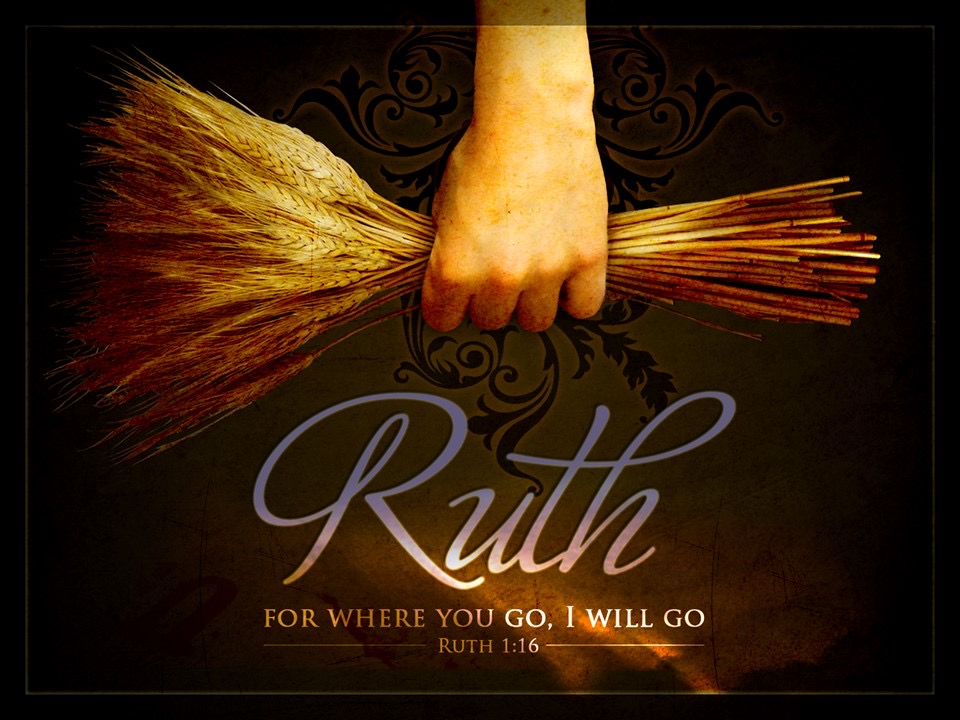
a. for where you go, I will go, and where you lodge, I will lodge. 💜
b. Your people shall be my people, and your God, my God. 💜🕊️
c. Where you die, I will die, and there I will be buried. 💜🕊️🙏
Thus may Yahweh do to me, and more, if anything but death separates you and me.”
The major themes in the Book of Ruth about giving, kindness, selflessness, coincide with the giving of the Torah to the Jewish people on Shavuot.
 Jesus Christ is New Paschal Lamb of God
You must be logged in to post a comment.