On September 16, 2023 (1 Tishri 5784) Rosh haShanah same time I received new Confirmation and new Eucharist into the Presence of Christ is The Body, Blood, Soul and Divinity at Most Blessed Sacrament Catholic Church.
Author: paradisedove
Mashiyach alike spiritual servant of Abba YHWH Elohim. One Torah for all. May Abba YHWH bless you. Malachi 3:16
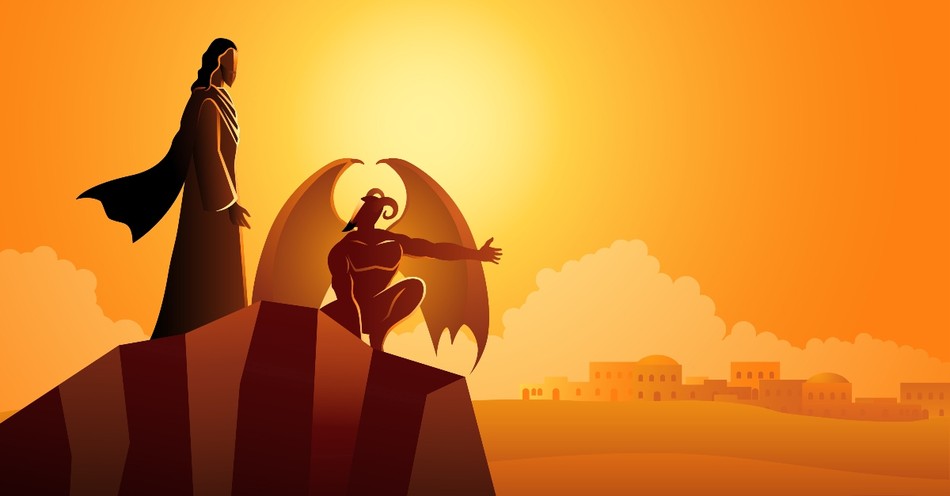
On March 5, 2025 Catholic Lent is a 40-day period of prayer, repentance, and self-denial in preparation for Easter. The word “Lent” comes from the Latin word Quadragesima, which means “fortieth” (40). It echoes the 40 days Jesus spent fasting in the desert and enduring temptation by Satan, according to the Gospels of Matthew, Mark and Luke, before beginning his public ministry.
Learn alike Jesus Himself Word of Living God reveal always quote “It is written” refers Living Word of God appeared to all prophets in Old Testament and New Testament.
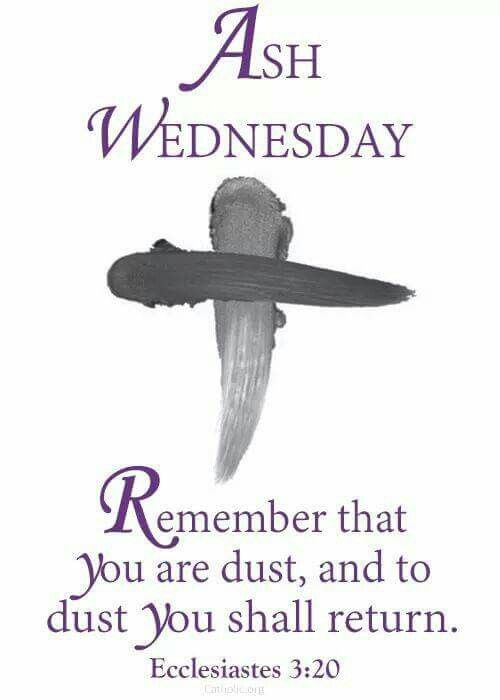
This year is on March 5, 2025 Ash Wednesday (the first day of Lent). It marks the beginning of Lent, a 40-day season of prayer, fasting, and almsgiving. Lent ends on Thursday, April 17.
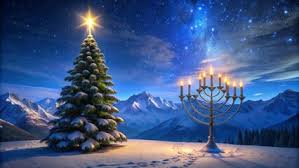
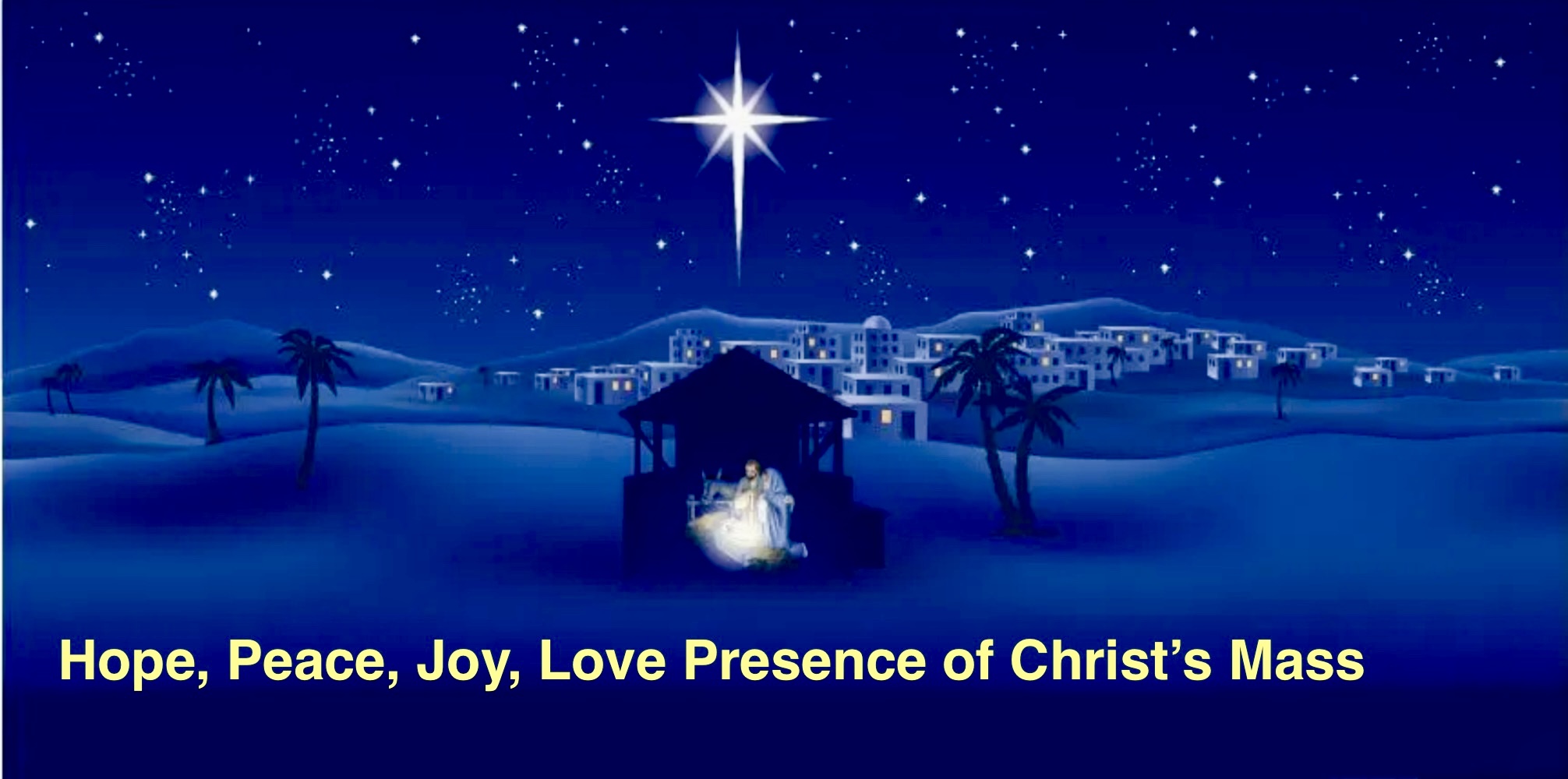
This year on December 25, 2024, Christ’s Mass (Christmas) is on December 25th same time Chanukah/Hanukkah also is on December 25th Hanukkah always is on Jewish Calendar 25 of Kislev (November/December).
In 2024, Hanukkah begins at sundown on Wednesday, Dec. 25, 2024 and lasts until sundown on Thursday, Jan. 2, 2025.
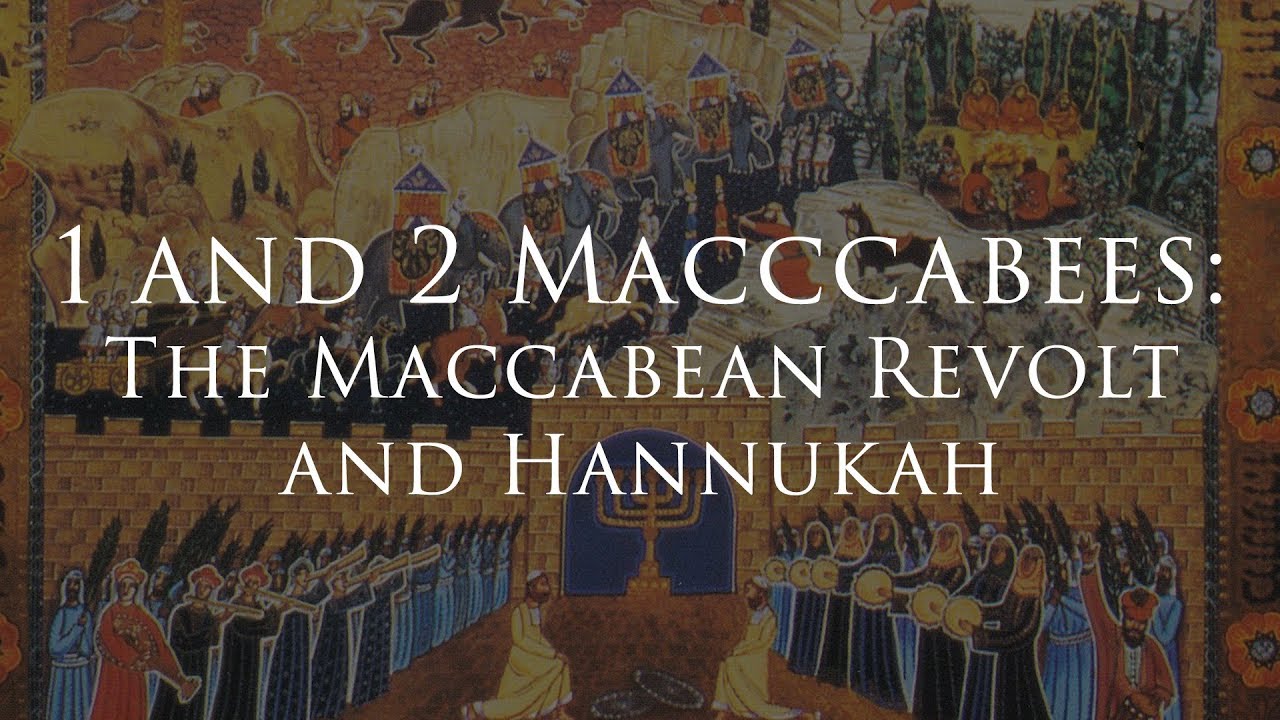
Yes, we all read the book of Maccabees 1 and 2 in Old Testament USCCB:
Catholic Church endorse the true history of 1 and 2 Maccabees into Catholic Bible. Please click 1 Maccabees and 2 Maccabees
The rededication of the Jerusalem Temple described in 4:36–59 (see 2 Mac 10:1–8) is the origin of the Jewish feast of Hanukkah.
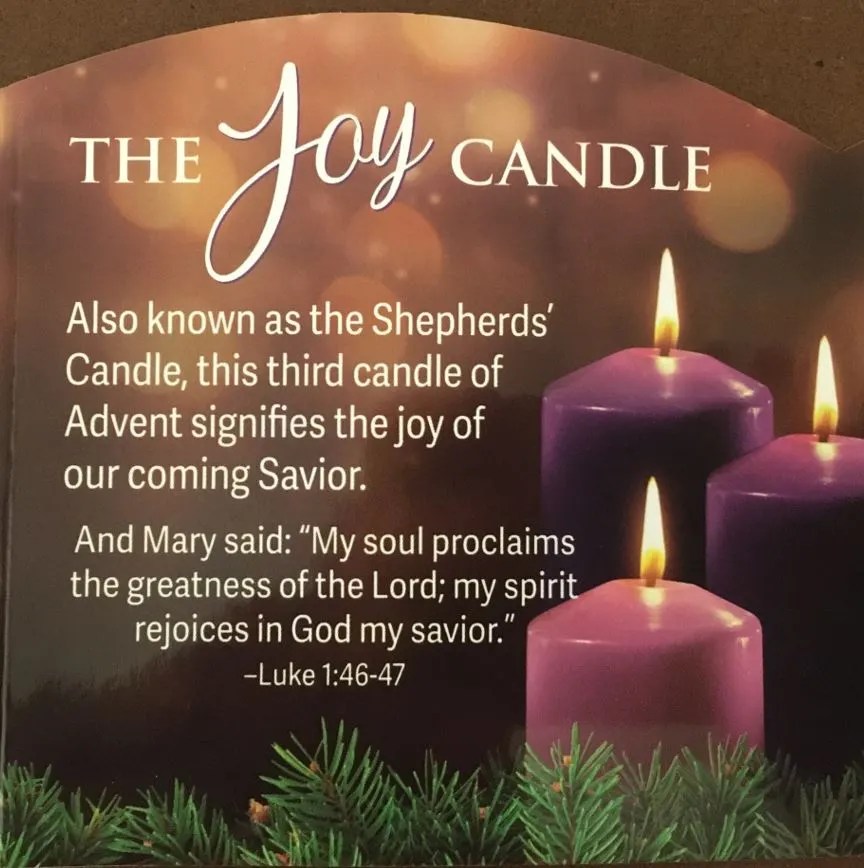
The Hebrew word Chanukah means “dedication” and is the name of a Jewish holiday that commemorates the rededication of the Second Temple in Jerusalem:
Hanukkah Meaning “Dedication” in Hebrew
What it celebrates The rededication of the Second Temple in Jerusalem after a small group of Jewish fighters liberated it from Greek-Syrian oppressors in 164 BC
When it’s celebrated Begins on the 25th day of Kislev on the Hebrew calendar, which usually falls in November or December
How it’s celebrated Lighting the menorah, eating traditional foods, playing games, and giving gifts
The holiday is also known as the Festival of Lights. The name comes from the Hebrew verb חנך, which means “to dedicate”.
From USCCB Responsorial Psalm Ps 96: 1-2, 2-3, 11-12, 13. R. (Lk 2:11) Today is born our Savior, Christ the Lord. Sing to the LORD a new song; sing to the LORD, all you lands. Sing to the LORD; bless his name. R. Today is born our Savior, Christ the Lord. Announce his salvation, day after day. Tell his glory among the nations; among all peoples, his wondrous deeds. R. Today is born our Savior, Christ the Lord. Let the heavens be glad and the earth rejoice; let the sea and what fills it resound; let the plains be joyful and all that is in them! Then shall all the trees of the forest exult. R. Today is born our Savior, Christ the Lord. They shall exult before the LORD, for he comes; for he comes to rule the earth. He shall rule the world with justice and the peoples with his constancy. R. Today is born our Savior, Christ the Lord.
Yes, and the English word “Christmas” is a shortened version of the phrase “Christ’s Mass”.
The word “Mass” comes from the Latin word missa, which refers to the celebration of the Eucharist. Latin Mass” means “sending” because the word “Mass” itself comes from the Latin word “missa,” which translates to “to send” – signifying the act of sending the faithful out into the world after the celebration of the Eucharist, as indicated by the concluding phrase “Ite, missa est” (Go, it is sent) in Latin.
The word “Christ” comes from the Greek word Khrīstos, which is a translation of the Hebrew word Māšîaḥ (Messiah/Mashiyach) meaning “anointed”.
Don’t forgot January 6th: The feast of the Epiphany commemorates the arrival of the magi (sometimes referred to as Three Kings or Wise Men) to visit Infant Jesus.
It is a special date for many Christians as it’s when people celebrate how a star led the Magi – also known as the Three kings or the Wise Men – to visit the baby Jesus after he had been born. ‘Epiphany’ comes from the Greek word meaning ‘to reveal’, as it is when the baby Jesus was ‘revealed’ to the world.
Epiphany literally means the word “epiphaneia” is Greek for “appearance” or “manifestation”.
Example: YHWH appeared Adam, ……, Noah, Abraham, Issac, Jacob, ….., Moses, …..David, ….. in Old Testament (Old Covenant).
The USCCB describes the Epiphany simply by saying it “marks the arrival of visitors, identified in Scripture as the magi, to the place where Jesus was born.” The word itself means “divine revelation.”
Matthew 2:10 They [Magi three wise men: Melchior, Caspar, and Balthazar] were overjoyed at seeing the star 🙏📿🕯️✨
Approximately 700 years from the Scroll (Book) of Micah 5:1 before the birth of JESUS (YESHUA in Aramaic) as recorded in Matthew’s Gospel in New Covenant (Testament). ❤️🤟🙏📿
According to Catholic understanding, Micah 5:1 (some versions 5:2), which is considered a prophecy about the Messiah’s birthplace in Bethlehem (in Hebrew: “House of Bread”), is believed to be written around 700 years before the events of the New Testament, meaning there is a roughly 700-year gap between the writing of Micah and the New Testament period.
Micah in Hebrew Bible: His name is an abbreviated form of the name Mikayahu which means, “Who is like the Lord?” He prophesied sometime during the reigns of Jotham, Ahaz and Hezekiah, kings of Judah (750-686 BC). His prophecies may have been compiled in this book after his death.
The above we see title the Lord, God reveals His Divine Name: ”Who is like YHWH?”
Key points: Micah 5:1: “But you, Bethlehem Ephrathah, though you are little among the clans of Judah, out of you shall come for me one who is to be ruler in Israel, whose origins are from old, from ancient days.”
Interpretation: Christians (followers of Christ) interpret this verse as a prophecy about Jesus’ birth in Bethlehem in Hebrew “House of Bread.”
Timeframe: The Book of Micah is believed to have been written during the reigns of Kings Jotham, Ahaz, and Hezekiah of Judah, which is estimated to be around the 8th century BC.
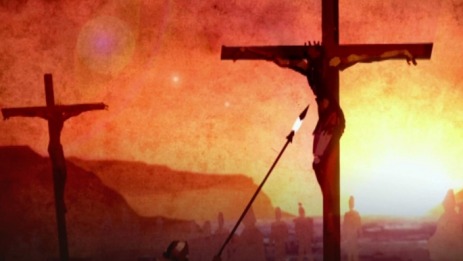
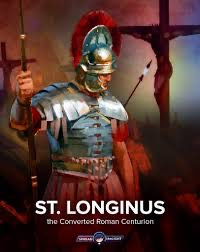
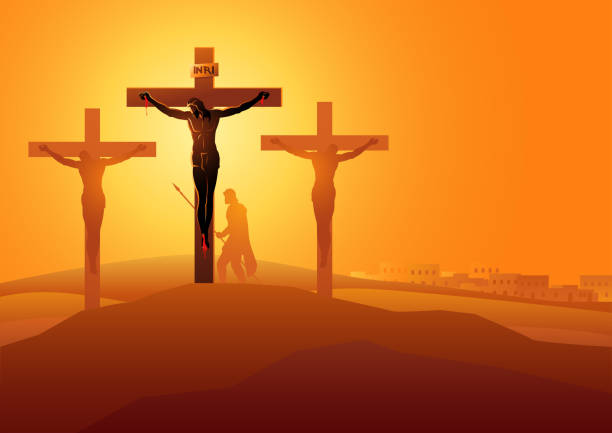
St. Longinus pierced the side of the Lord with his lance: “One of the soldiers thrust a lance into His side, and immediately blood and water flowed out” (John 19:34).
What affiction or condition of the centurion was healed when Yeshua blood splashed on him?
Longinus was a Roman soldier whose one eye was blind. Before the body of Jesus was taken down from the cross, Longinus thrusted a spear on His side and came forth blood and water. A drop of blood spurted in the blind eye of Longinus, miraculously curing him of his blindness.
Why did water and blood come out of Yeshua?
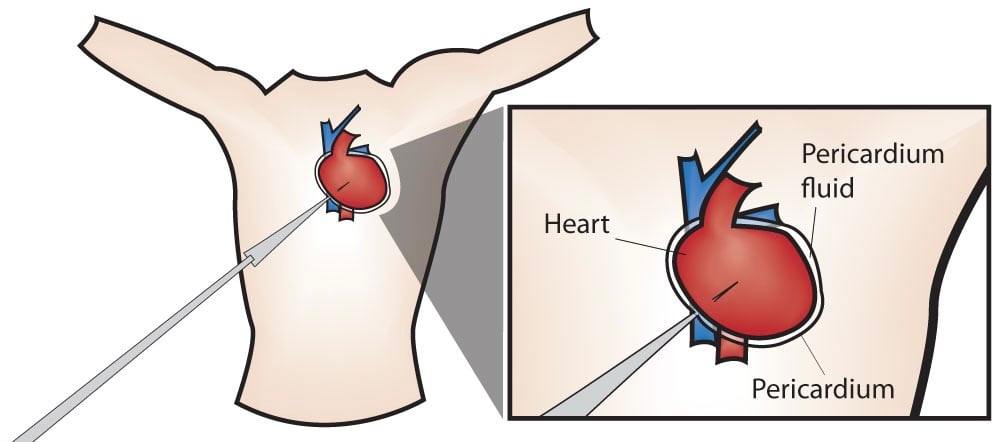
When they came to check on Yeshua, He was already dead so they did not break His legs (Numbers 9:11-13, Psalms 34:20, Psalms 22, (John 19:33). Instead, the soldiers pierced His side (John 19:34) to assure (made sure) that He was dead. Isaiah 52:13-53:12prophesied fulfillment that “blood and water came out” (John 19:34), referring to the watery fluid surrounding the heart and lungs.
DID YOU KNOW?
THE ROMAN SOLDIER WHO PIERCED THE SIDE OF JESUS CONVERTED AND BECAME A SAINT?
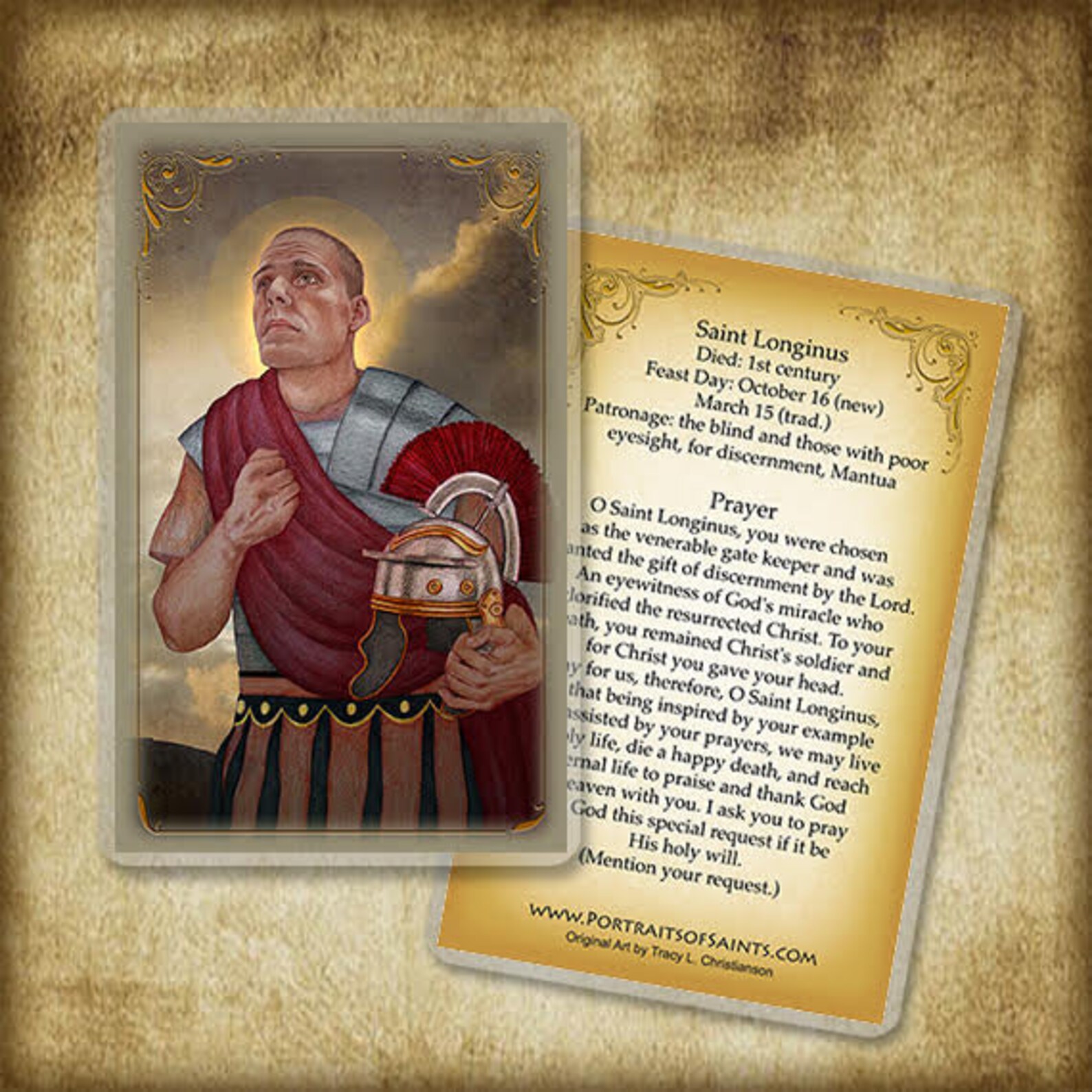
St. Longinus is the centurion who pierced the side of Our Lord while He was hanging on the Cross. St. Longinus, who was nearly blind, was healed when some of the blood and water from Jesus fell into his eyes. It was then he exclaimed “Indeed, this was the Son of God!” [Mark 15:39].
St. Longinus then converted, Left the army, took instruction from the apostles and became a monk in Cappadocia. There he was arrested for his faith, his teeth forced out and tongue cut off. However, St. Longinus miraculously continued to speak clearly and managed to destroy several idols in the presence of the governor. The governor, who was made blind by the demons that came from the idols, had his sight restored when St. Longinus was being beheaded, because his blood came in contact with the governors’ eyes.
St. Longinus’ relics are now in the church of St Augustine, in Rome. His Lance is contained in one of the four pillars over the altar in the Basilica of St Peter’s in Rome.
Yeshua Himself Pesach Lamb of God died at 3 pm on 15 Nisan (Second Chagigah) 30 CE according scripture verses.
Behold the blood of Yeshua, who was the High Priest (Cohen HaGadol) of the Brit Chadasha (Renewed Covenant), was also sprinkled before YHWH eight times:
Yeshua perspired drops of blood in the Garden of Gethsemane when He prayed to the Father: “And being in anguish, He prayed more earnestly, and His sweat was like drops of blood falling to the ground.” (Luke 22:44)
He was struck in the face until it was “marred beyond recognition.” (Isaiah 52:14)
His back was scourged with a whip. (Isaiah 50:6; Matthew 27:26)
The soldiers put a crown of thorns on His head. (John 19:2)
They plucked out His beard. (Isaiah 50:6)
They pierced His hands and feet. (Psalm 22:16; Luke 24:39; John 20:27)
They pierced His side with a spear and blood and water came out. (Psalm 22:14, John 19:34)
Mark 15:39 When the centurion who stood facing him saw how he breathed his last he said, “Truly this man was the Son of God!”


 Jesus Christ is New Paschal Lamb of God
You must be logged in to post a comment.