On September 16, 2023 (1 Tishri 5784) Rosh haShanah same time I received new Confirmation and new Eucharist into the Presence of Christ is The Body, Blood, Soul and Divinity at Most Blessed Sacrament Catholic Church.
Author: paradisedove
Mashiyach alike spiritual servant of Abba YHWH Elohim. One Torah for all. May Abba YHWH bless you. Malachi 3:16
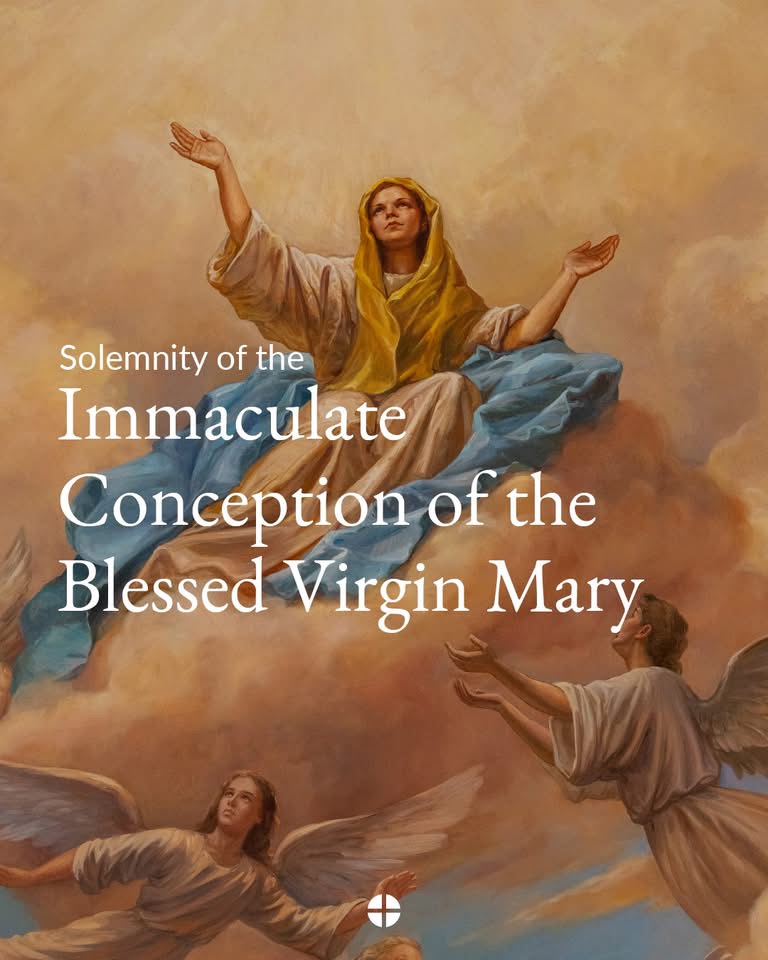
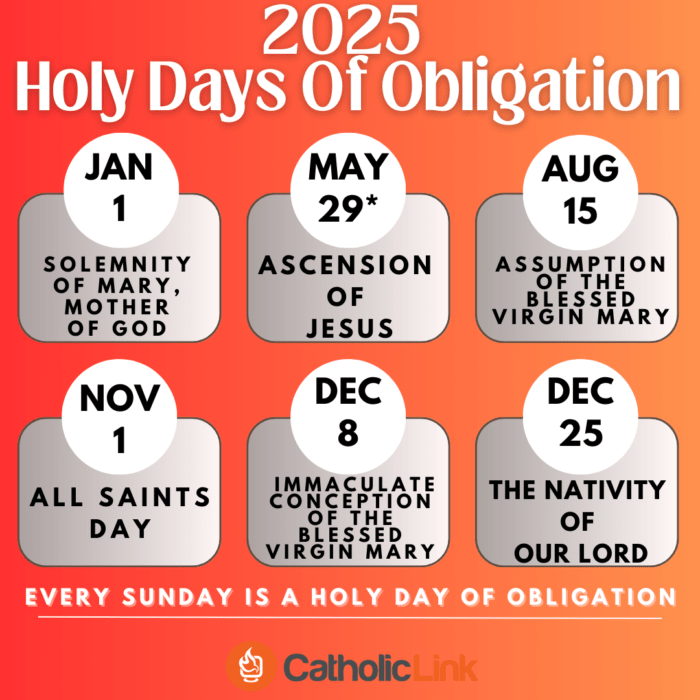
The Solemnity of the Immaculate Conception celebrates the Immaculate Conception of the Blessed Virgin Mary on 8 December, nine months before the feast of the Nativity of Mary on 8 September. It is one of the most important Marian feasts in the liturgical calendar of the Latin Church.
The Catechism of the Catholic Church explains that “to become the mother of the Savior, Mary ‘was enriched by God with gifts appropriate to such a role.’ The angel Gabriel at the moment of the annunciation salutes her as ‘full of grace.’ In fact, in order for Mary to be able to give the free assent of her faith to the announcement of her vocation, it was necessary that she be wholly borne by God’s grace” (No. 490).
“Through the centuries the Church has become ever more aware that Mary, ‘full of grace’ through God, was redeemed from the moment of her conception,” the catechism states. “That is what the dogma of the Immaculate Conception confesses, as Pope Pius IX proclaimed in 1854” (No. 491).
The Feast of the Immaculate Conception of the Blessed Virgin Mary is celebrated on December 8th. It is a Catholic feast that commemorates Mary’s conception without sin.The feast is one of the most important Marian feasts in the Latin Church’s liturgical calendar.
On December 8, 1854, Pope Pius IX proclaimed the Immaculate Conception a dogma of the Catholic faith in the bull Ineffabilis Deus. Four years later, Saint Bernadette reported that Mary appeared to her at Lourdes and identified herself as “I am the Immaculate Conception”.
This year on 2024: December 9th the Second Advent:
Today is the Solemnity of the Immaculate Conception of Mary, the solemn dogma defined by Blessed Pope Pius IX in 1854. As Our Lady Immaculately Conceived is the patroness of the United States of America, this is a holy day of obligation in the United States. The Solemnity was transferred from the 8th because of the Sunday Liturgy of Advent. ❤️🤟🙏📿🕯️
Isaiah in Hebrew: Yeshayahu means Yahweh is Salvation.
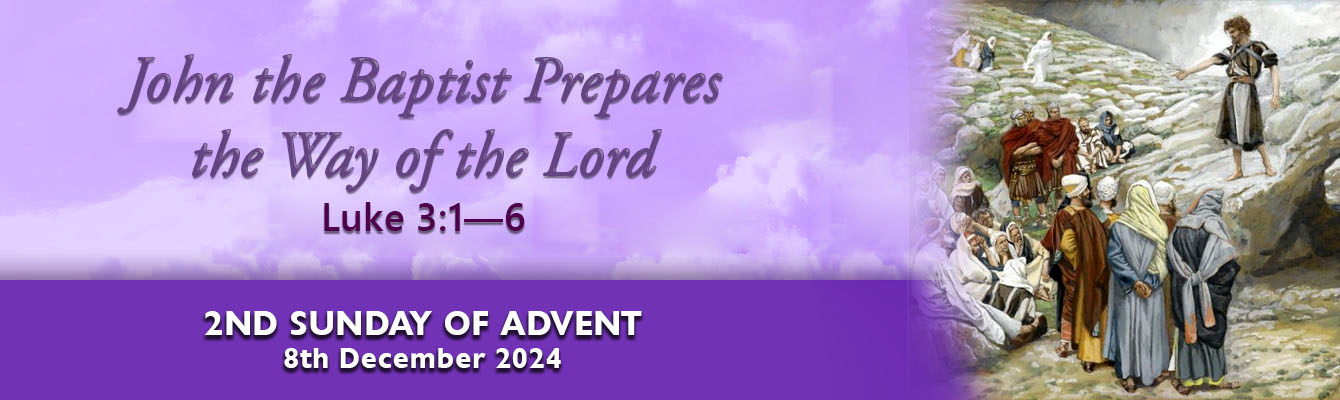
According to the Catholic understanding of Luke 3, which references Isaiah 40:3, the prophecy about “preparing the way of the Lord” was made hundreds of years before Jesus’ birth, with most scholars estimating the time of Isaiah’s writing to be around 700 years before Christ.
Key points:
The prophecy: In Luke 3:4, John the Baptist is described as fulfilling Isaiah’s prophecy: “A voice cries out in the wilderness, ‘Prepare the way of the Lord, make straight paths for him.'”
Timeframe: Isaiah lived during the time of the Kings of Judah, roughly 700 years before Jesus.
Significance: This is considered a Messianic prophecy, meaning it is interpreted as predicting the coming of the Messiah (Jesus).
Isaiah 40:3-5 New Catholic Bible A voice cries out: In the wilderness prepare the way of the Lord; make a straight path in the desert for our God. 4 Let every valley be filled in and every mountain and hill be made low. Uneven ground will be made smooth and the rugged places will become a plain. 5 Then the glory of the Lord will be revealed, and all mankind will see it together, for the mouth of the Lord has spoken.
Luke 3:1-6 New Catholic Bible
The Ministry of John the Baptist. 1 In the fifteenth year of the reign of Tiberius Caesar, when Pontius Pilate was governor of Judea, and Herod was tetrarch of Galilee, and his brother Philip was tetrarch of the region of Ituraea and Trachonitis, and Lysanias[b] was tetrarch of Abilene, 2 during the high priesthood of Annas and Caiaphas,[c] the word of God came to John the son of Zechariah in the desert. 3 He [John the Baptist] journeyed throughout the entire region of the Jordan valley, proclaiming a baptism of repentance for the forgiveness of sins, 4 as it is written in the book of the words of the prophet Isaiah:
“The voice of one crying out in the wilderness: ‘Prepare the way of the Lord, make straight his paths. 5 Every valley shall be filled in, and every mountain and hill shall be leveled; the winding roads shall be straightened and the rough paths made smooth, 6 and all mankind shall see the salvation of God.’ ”
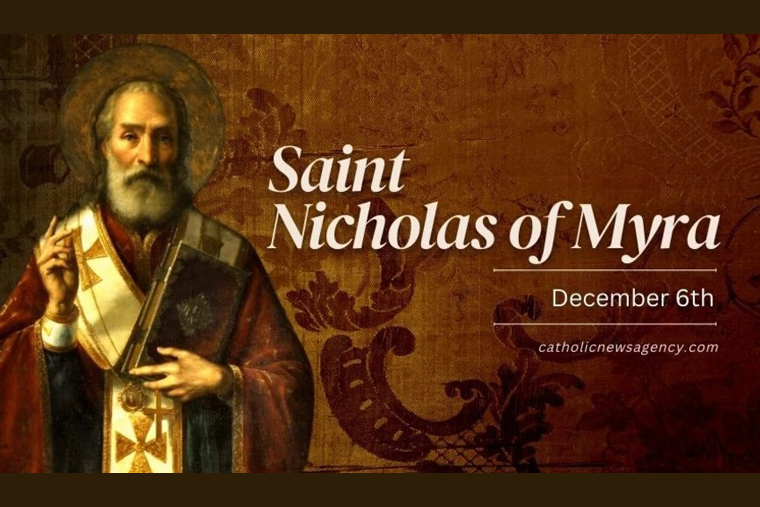
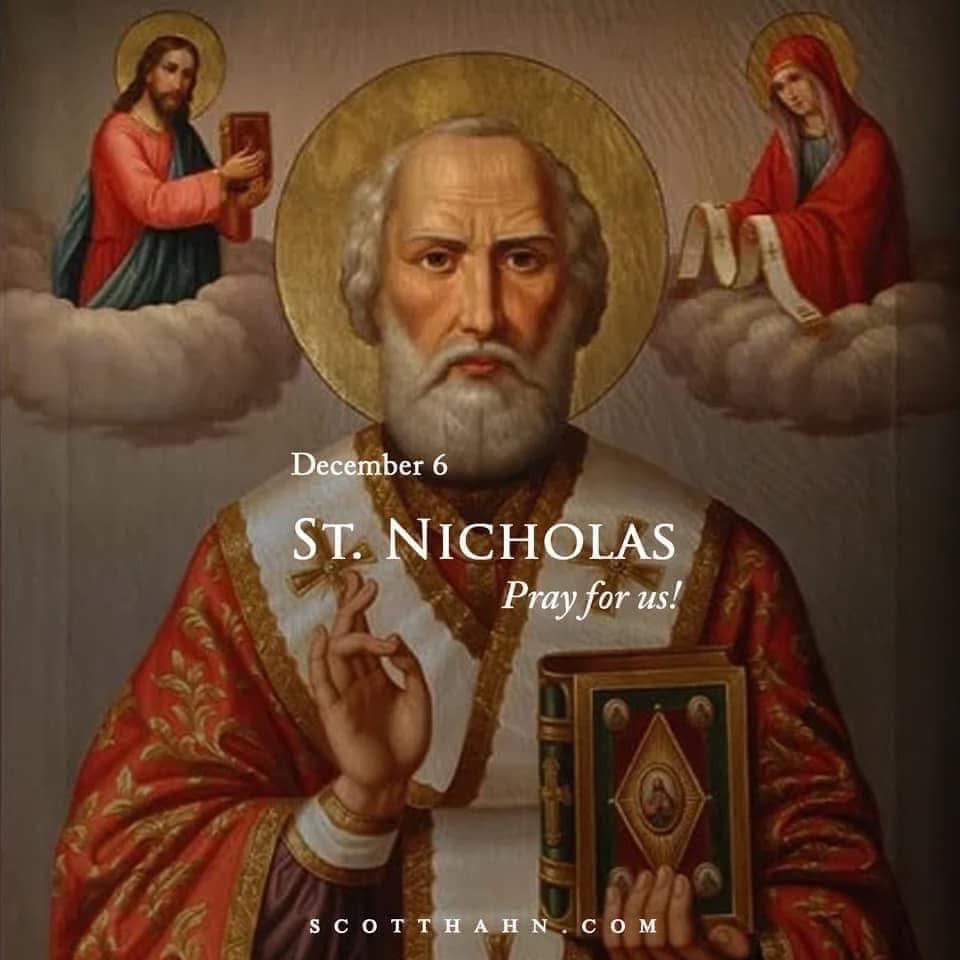
Today is the Feast of St. Nicholas (Dec 6), the 4th century Bishop of Myra whose legendary generosity and reputation for secret gift-giving made him the real-life model for “Santa Claus” (from the Dutch Sinter-Klaas).
After becoming Bishop of Myra, St. Nicholas was imprisoned and tortured during the persecution of Emperor Diocletian (303-313). After his release, the aged bishop participated in the Council of Nicaea (325), where he is said to have rebuked the arch-heretic, Arius, for having denied the divinity of Jesus. By all accounts, Nicholas held firmly to the orthodox faith, while showing sacrificial kindness and generosity to his flock. St. Nicholas, pray for us!
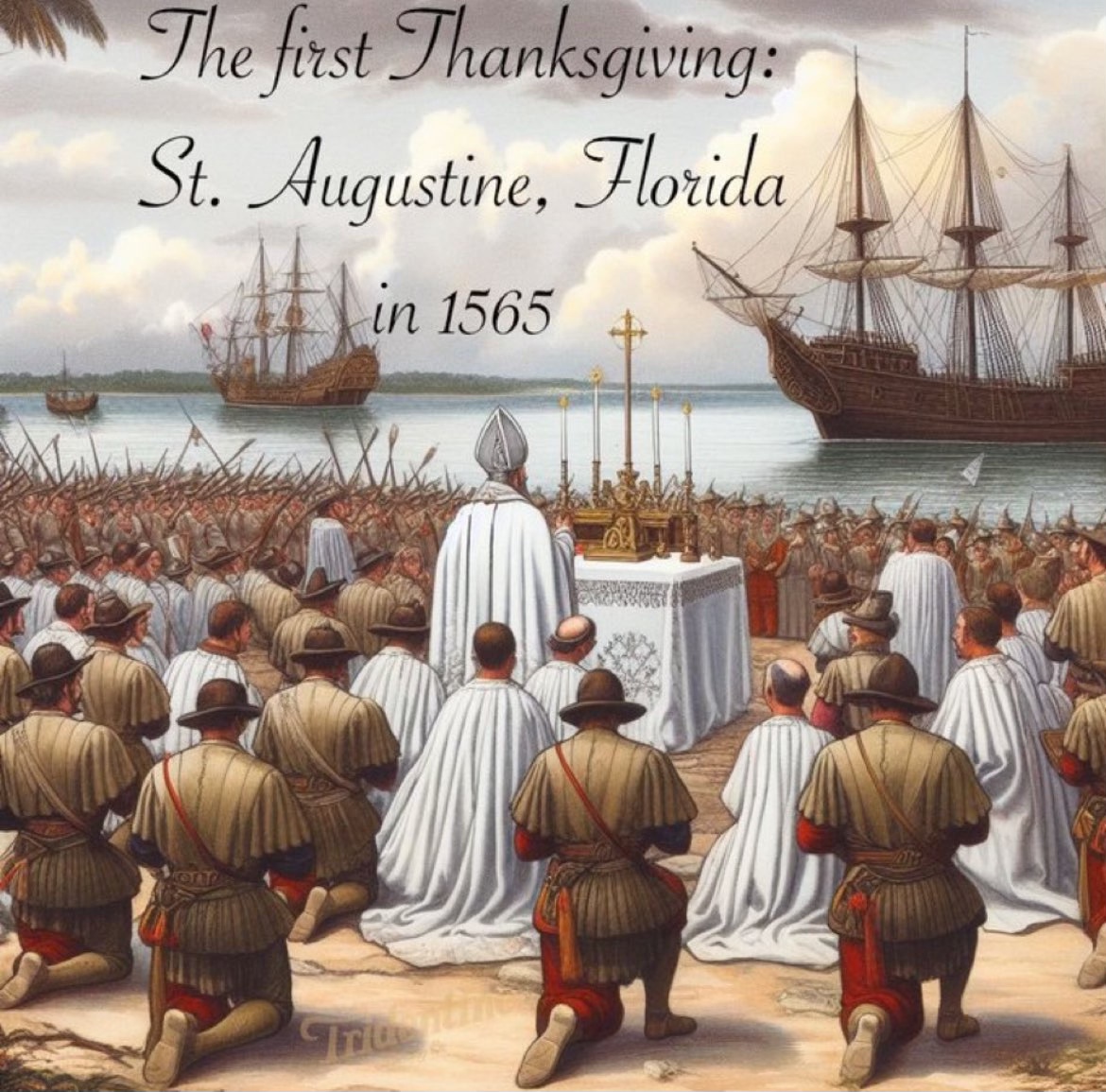
The first Thanksgiving in our nation’s history took place on September 8, 1565, in St. Augustine, FL. After Fr. Francisco López celebrated Mass, the Spanish settlers and the local Native American tribe came together to share a communal meal.
On September 8, 1565, Father Francisco Lopez de Mendoza Grajales celebrated the first Catholic Mass in what would become the United States in St. Augustine, Florida:
The MassThe Mass was celebrated on the feast day of the Nativity of the Blessed Virgin Mary.The word “Eucharist” literally means “thanksgiving” in Greek.
The mealAfter the Mass, Pedro Menéndez de Avilés, the Spanish Admiral, invited the Seloy tribe, the native people who lived there, to a feast. The meal included hardtack, a type of cracker, and stew made from pork and garbanzo beans.
The locationThe Mass took place at the Mission of Nombre de Dios, which was named by Menéndez. The mission is now the National Shrine of Our Lady of La Leche, the oldest shrine in the continental United States.
The significanceThe Mass and feast were the first community act of religion and thanksgiving in the first permanent settlement in the land.
The mission grounds commemorate the first Mass with a Rustic Altar and a statue of Father Lopez. The mission is open to the public.
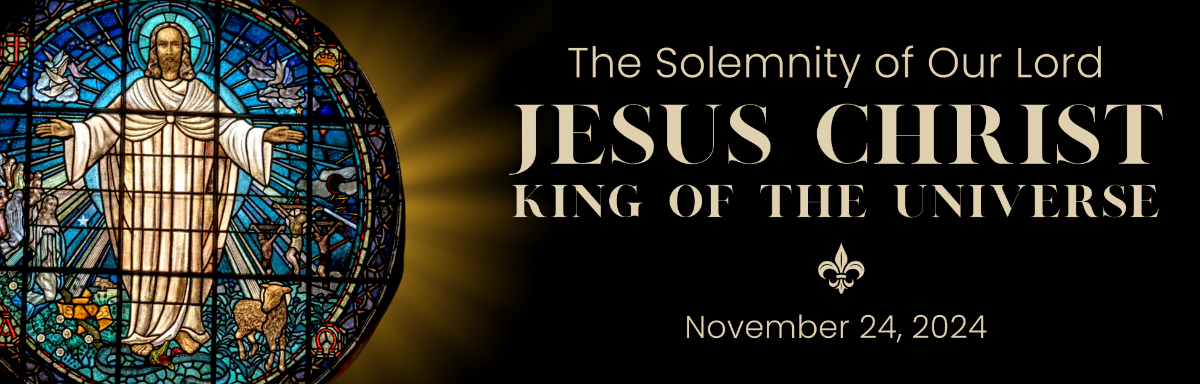
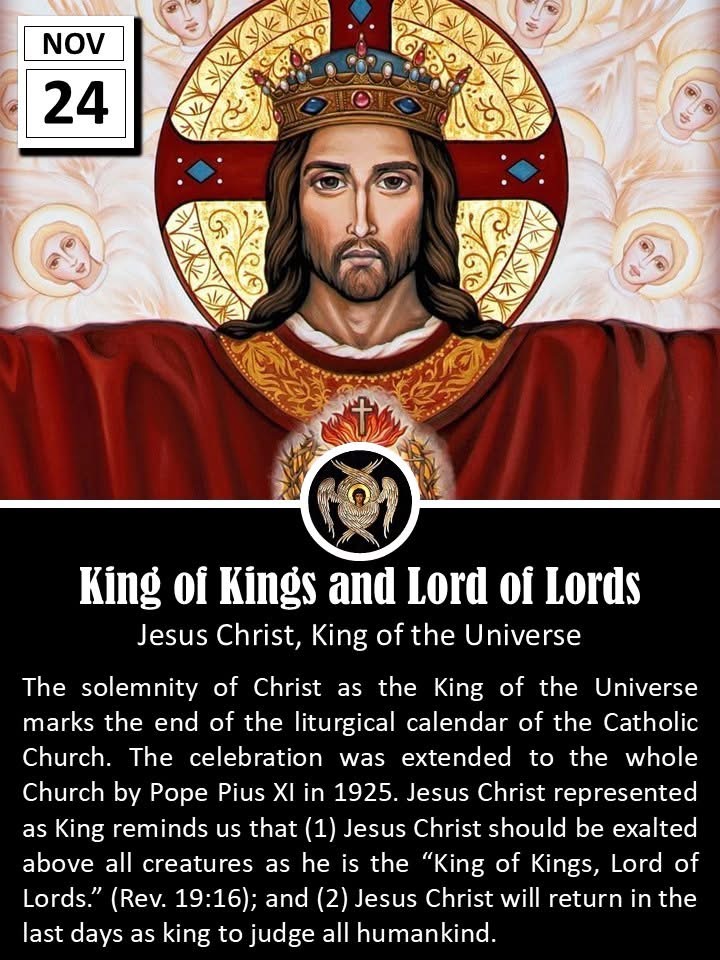
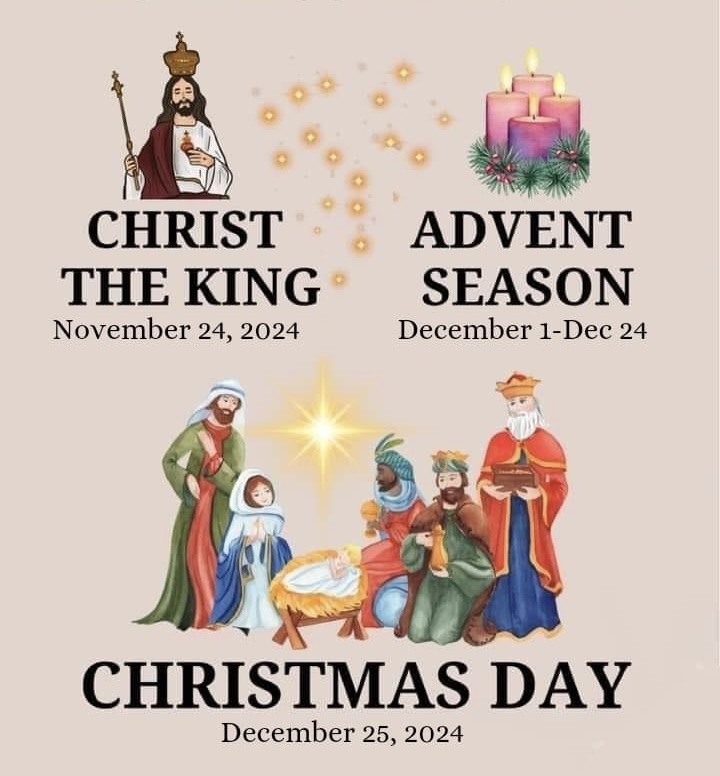
The Solemnity of Our Lord Jesus Christ, King of the Universe
Lectionary: 161 Reading I Dn 7:13-14 As the visions during the night continued, I saw one like a Son of man coming, on the clouds of heaven; when he reached the Ancient One and was presented before him, the one like a Son of man received dominion, glory, and kingship; all peoples, nations, and languages serve him. His dominion is an everlasting dominion that shall not be taken away, his kingship shall not be destroyed.
Responsorial Psalm Ps 93:1, 1-2, 5 R. (1a) The Lord is king; he is robed in majesty. The LORD is king, in splendor robed; robed is the LORD and girt about with strength. R. The Lord is king; he is robed in majesty. And he has made the world firm, not to be moved. Your throne stands firm from of old; from everlasting you are, O LORD. R. The Lord is king; he is robed in majesty. Your decrees are worthy of trust indeed; holiness befits your house, O LORD, for length of days. R. The Lord is king; he is robed in majesty.
Reading II Rv 1:5-8 Jesus Christ is the faithful witness, the firstborn of the dead and ruler of the kings of the earth. To him who loves us and has freed us from our sins by his blood, who has made us into a kingdom, priests for his God and Father, to him be glory and power forever and ever. Amen. Behold, he is coming amid the clouds, and every eye will see him, even those who pierced him. All the peoples of the earth will lament him. Yes. Amen.
“I am the Alpha and the Omega, ” says the Lord God, “the one who is and who was and who is to come, the almighty.”
Alleluia Mk 11:9, 10 R. Alleluia, alleluia. Blessed is he who comes in the name of the Lord! Blessed is the kingdom of our father David that is to come! R. Alleluia, alleluia.
Gospel Jn 18:33b-37 Pilate said to Jesus, “Are you the King of the Jews?” Jesus answered, “Do you say this on your own or have others told you about me?” Pilate answered, “I am not a Jew, am I? Your own nation and the chief priests handed you over to me. What have you done?” Jesus answered, “My kingdom does not belong to this world. If my kingdom did belong to this world, my attendants would be fighting to keep me from being handed over to the Jews. But as it is, my kingdom is not here.” So Pilate said to him, “Then you are a king?” Jesus answered, “You say I am a king. For this I was born and for this I came into the world, to testify to the truth. Everyone who belongs to the truth listens to my voice.”
Christmas means Christ’s Mass. The word “Christmas” is a shortened form of “Christ’s Mass”. The word comes from the Greek word Khrīstos, which means “Christ” and translates from the Hebrew word Māšîaḥ, meaning “Messiah”. 🤟❤️🙏📿🕊️
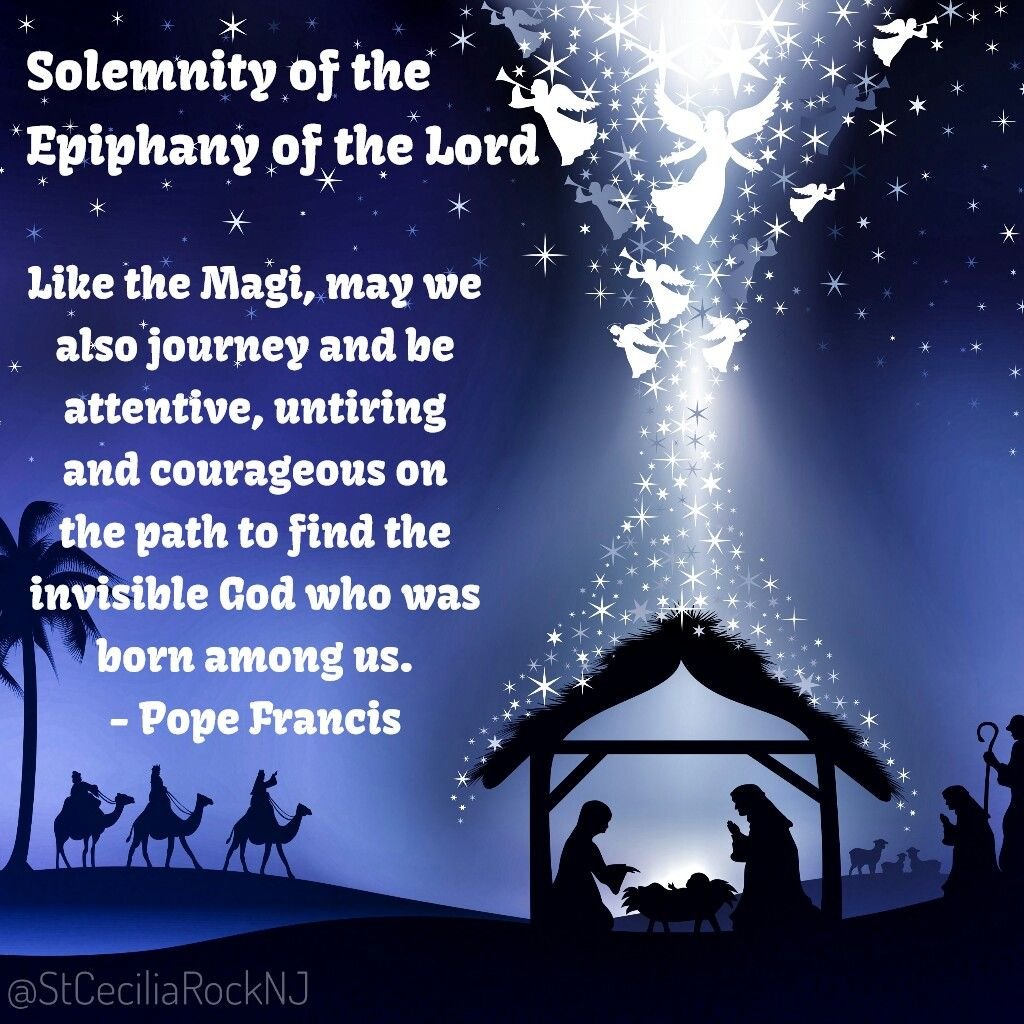
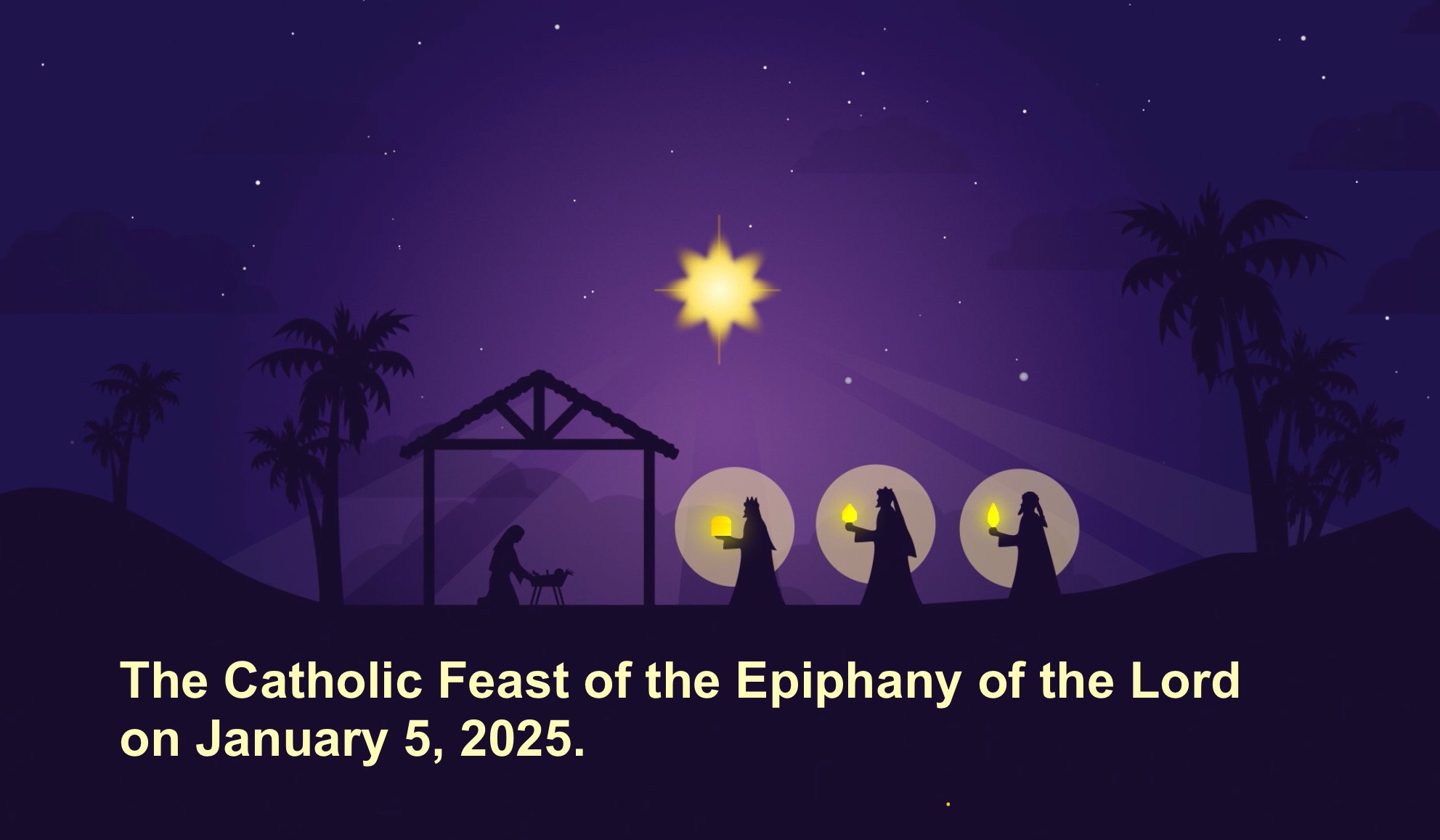
The Catholic Feast of the Epiphany of the Lord in 2025 will be celebrated on Sunday, January 5:
DateThe official date of the Feast of the Epiphany is January 6, but in the United States and some other countries, it is celebrated on the Sunday closest to that date.
MeaningThe Epiphany celebrates the manifestation of Christ to the Gentiles, or the nations, through the Magi, also known as the Three Kings or the Wise Men.
Gifts of the Magi the gifts of the Magi represent different aspects of Christ:
Gold: Denotes kingship
Frankincense: Symbolizes Christ as priest and divinity
Answer: Yes and we all read joyous Catholic Sacred Scripture and Tradition.
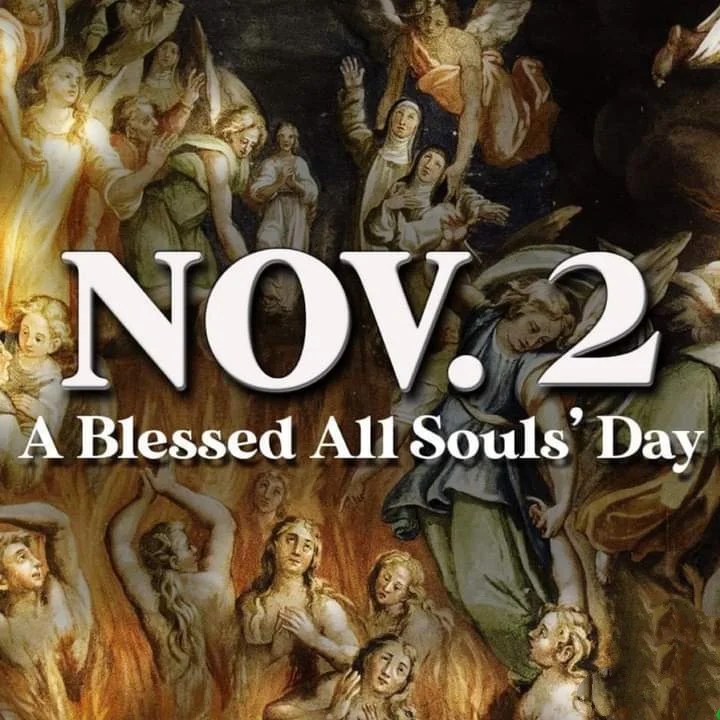
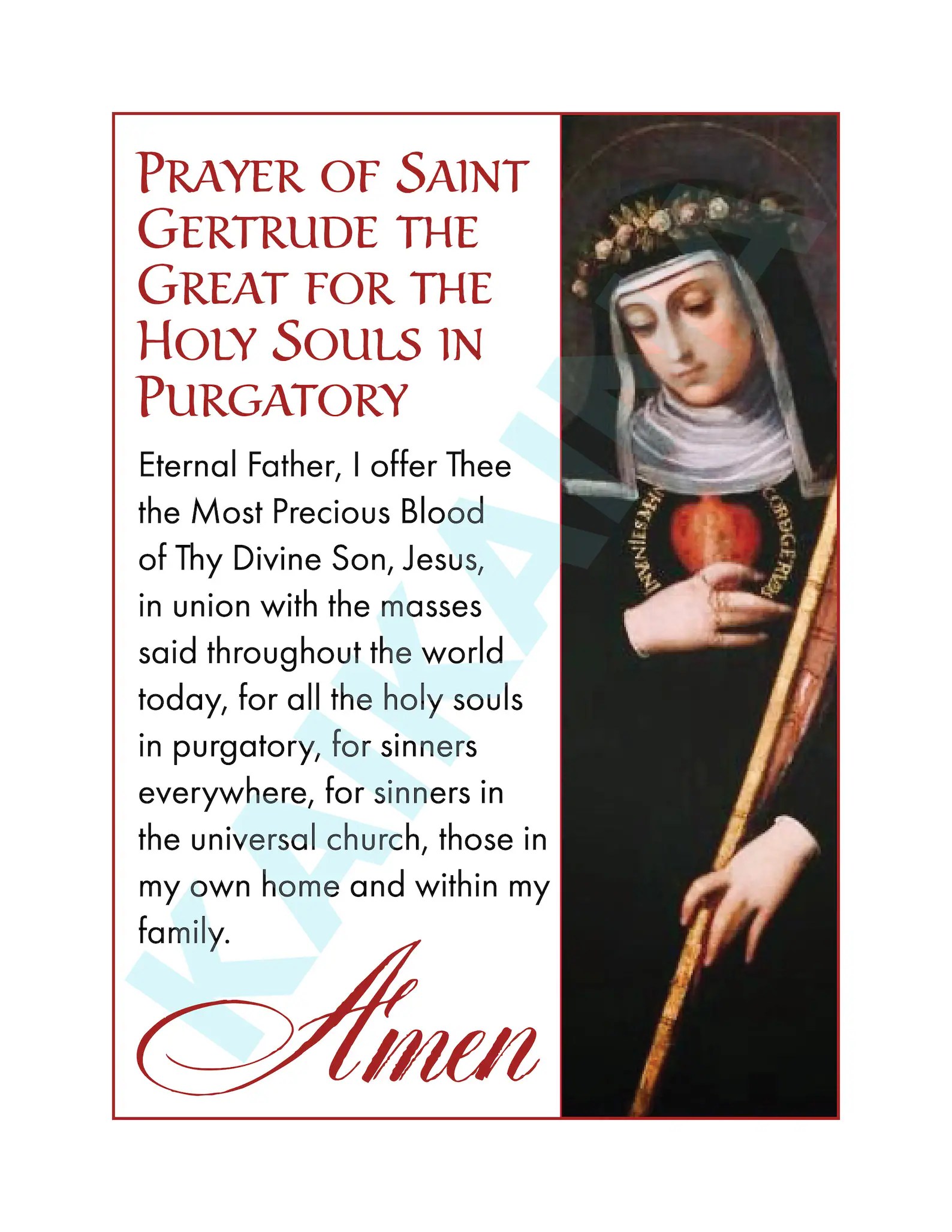
🙏📿 The word purgatory is derived from the Latin purgation, which means “cleansing” or “purification.” Just as gold is purged of dross in the refining process, so Scripture teaches that we are to be purified of all that is sinful or unclean. For instance, Psalm 51:7-10 USCCB reads:
Catholic Church endorse joyfully according to the Bible, Judas Maccabeus prayed for the dead on the day after the Sabbath, following the victory over the men of Gorgias. The true story is told in 2 Maccabees 12:38-46.
Before New Covenant (New Testament) begins, In Old Covenant (Old Testament) we read and find a Jewish hero named Judas Maccabeus, about a century and a half before Jesus Christ is New Covenant, praying for the Jewish warriors dead and specifically asking they be forgiven their sins after they have died (2 Macc. 12:43-46). This practice, known today as the Mourner’s Kaddish, was well established among Jews in Jesus’ own time. (Jews have historically believed, and many still believe, that the souls of the faithful departed undergo a period of purification, which may be aided by the prayers and charity of the living.)
Yes, and Judas Maccabeus prayed for the dead in the Bible, in the book of 2 Maccabees 12:39-42:
Prayer: Judas and his men prayed for the dead to be forgiven for their sins.
Collection: Judas collected silver to send to Jerusalem as a sin offering for the dead.
Sacrifice: Judas ordered sacrifices to be offered in the Temple in Jerusalem for the slain soldiers.
Exhortation: Judas exhorted the people to avoid sin.
The true story of Judas praying for the dead is interpreted as a biblical justification for the teaching of purgatory. It also shows the belief that prayers from the living can help purify the dead.
38Judas rallied his army and went to the city of Adullam. As the seventh day was approaching, they purified themselves according to custom and kept the sabbath there.
39On the following day, since the task had now become urgent, Judas and his companions went to gather up the bodies of the fallen and bury them with their kindred in their ancestral tombs.
40But under the tunic of each of the dead they found amulets sacred to the idols of Jamnia, which the law forbids the Jews to wear. So it was clear to all that this was why these men had fallen.f
41They all therefore praised the ways of the Lord, the just judge who brings to light the things that are hidden.
42* Turning to supplication, they prayed that the sinful deed might be fully blotted out. The noble Judas exhorted the people to keep themselves free from sin, for they had seen with their own eyes what had happened because of the sin of those who had fallen.g
43He then took up a collection among all his soldiers, amounting to two thousand silver drachmas, which he sent to Jerusalem to provide for an expiatory sacrifice. In doing this he acted in a very excellent and noble way, inasmuch as he had the resurrection in mind;
44for if he were not expecting the fallen to rise again, it would have been superfluous and foolish to pray for the dead.
45But if he did this with a view to the splendid reward that awaits those who had gone to rest in godliness, it was a holy and pious thought.
46Thus he made atonement for the dead that they might be absolved from their sin.
For no other foundation can any one lay than that which is laid, which is Jesus Christ. Now if any one builds on the foundation with gold, silver, precious stones, wood, hay, straw— each man’s work will become manifest; for the Day* will disclose it, because it will be revealed with fire, and the fire will test what sort of work each one has done. If the work which any man has built on the foundation survives, he will receive a reward. If any man’s work is burned up, he will suffer loss, though he himself will be saved, but only as through fire. – 1 Corinthians 3:11-15
* [3:13] The Day: the great day of Yahweh, the day of judgment, which can be a time of either gloom or joy. Fire both destroys and purifies.



 Jesus Christ is New Paschal Lamb of God
You must be logged in to post a comment.