On September 16, 2023 (1 Tishri 5784) Rosh haShanah same time I received new Confirmation and new Eucharist into the Presence of Christ is The Body, Blood, Soul and Divinity at Most Blessed Sacrament Catholic Church.
Today is The Easter Octave begins on Easter (Paschal) Sunday and ends on the Second Sunday of Easter (Paschal) of the Divine Mercy. In the whole Catholic world, Divine Mercy Sunday is celebrated on the Sunday after Easter, which is the last day of the Easter Octave. The eighth day is also called the octave or “octave day,” Octave means an eight-day celebration. Please click The Easter Octave
First, Happy Pesach to Jewish people of the House of Judah (Yehudah) brothers and sisters! May God bless you all.
Here is my ASL video regarding my journey in Christ endorsing USCCB (scroll down) this blog: During the Time of Jesus
I believe Jesus is New Covenant and His Messianic Fulfillment of Old Covenant regarding the first Five Books of Genesis, Exodus, Leviticus, Numbers and Deuteronomy. I pray for Jewish people read Questions about Jews and Judaism during the Easter Triduum. 🤟🙏💜🕊️🔥📿🙏
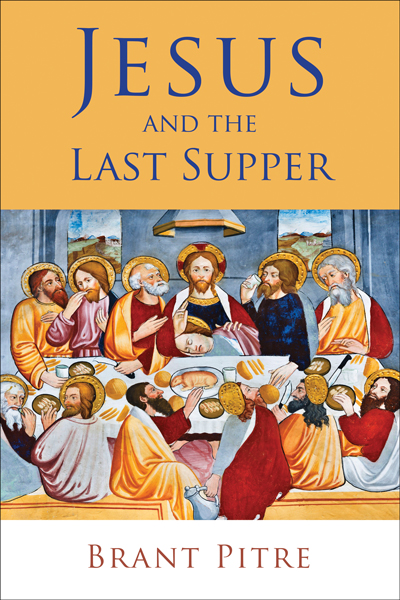
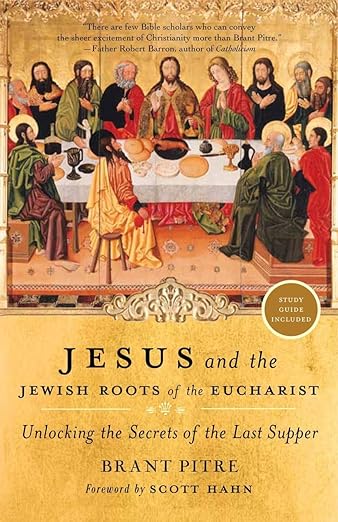
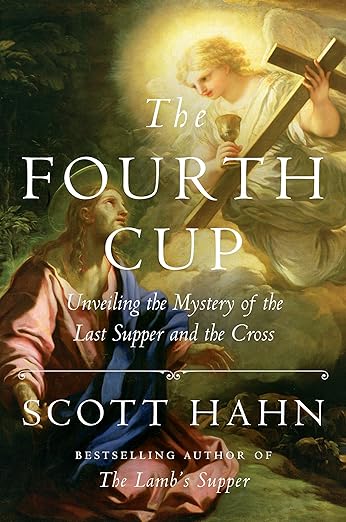
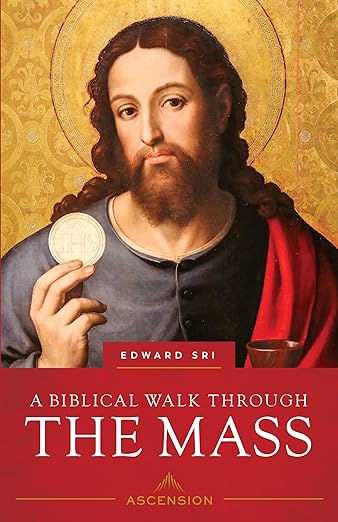
I recommend four books in order: this will help more spiritual comprehension following Jesus Christ and His Commands on The Master and His Last Paschal Supper Table 🤟🙏💜🕊️🔥📿
We Catholic brothers and sisters in Christ pray God and His Divine Mercy gracefully bless our Judaism brothers and sisters of House of the Judah have blessed Jewish holiday Pesach 2024.
For Jewish people and Pesach (Passover) 2024 Monday, April 22 begins before sundown new Tuesday toward April 30 [15-22 Nisan 5784] ends after nightfall.
Yes I agree this USCCB please click Questions about Jews and Judaism during the Easter Triduum I pray this reawakening spiritual article to look on Jesus Christ is New Covenant and His Divine Messianic Fulfillment of Old Covenant. 🤟🙏💜🕊️🔥📿🙏
Update on April 4, 2024 We all see the Golden Seven Menorah on Numbers 8:1-4 USCCB
The Menorah. 1 The LORD said to Moses: 2 Speak to Aaron and say: “When you set up the menorah-lamps,a have the seven lamps throw their light in front of the menorah.”* 3 Aaron did so, setting up the menorah-lamps to face the area in front of the menorah, just as the LORD had commanded Moses. 4 This is the construction of the menorah: hammered gold,b from its base to its bowls* it was hammered; according to the pattern which the LORD had shown Moses, so he made the menorah.
[8:2] Menorah: a seven-branched lampstand; see Ex 25:31–40; 37:17–24.
[8:4] Bowls: lit., “blossom,” a designation for the blossom-shaped cups holding the lamps of the menorah.
Investigator on Sacred Scriptures and Sacred Traditions of Jesus Christ.
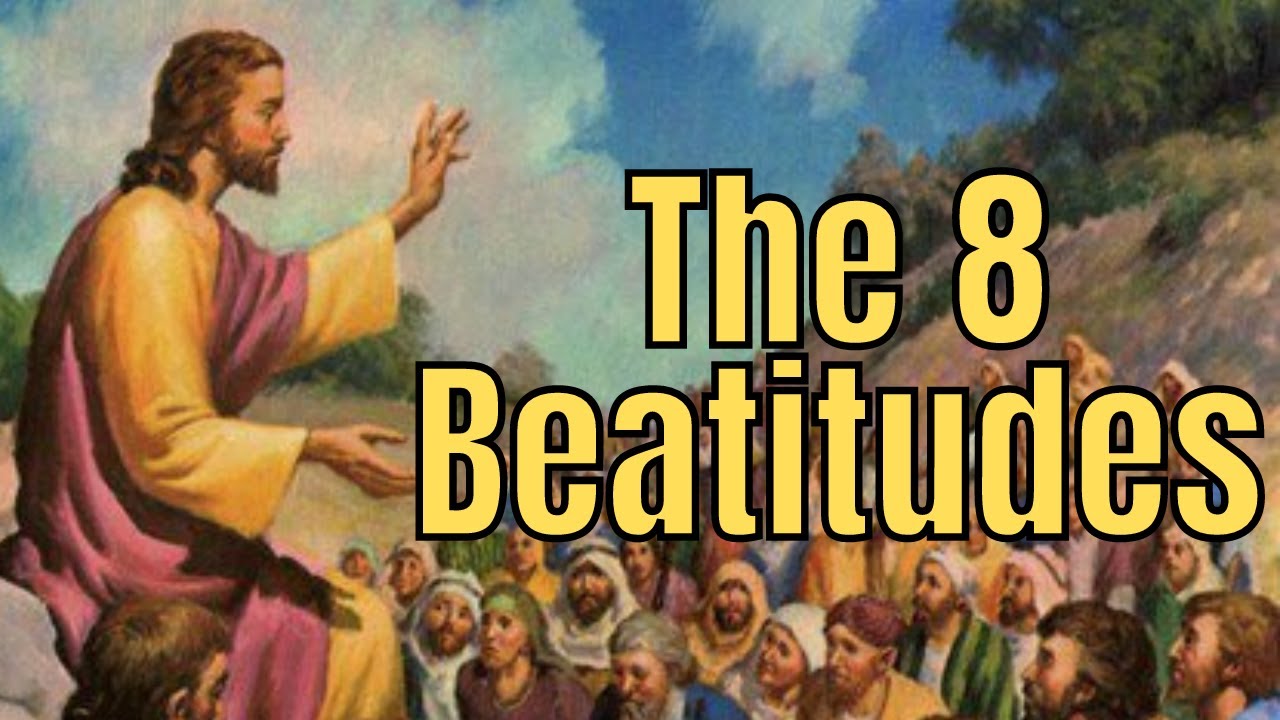
Jesus Christ: Messianic Fulfillment Catholic Liturgy on the Book of Revelation elaborates beautifully in order: Seven Beatitudes
Revelation 1:3 NCB 3 Blessed is the one who reads the words of this prophecy, and blessed are those who keep what is written in it, for the appointed time is near.
Footnotes
Revelation 1:3Blessed: this is the first of seven beatitudes that appear in the book (see Rev 14:13; 16:15; 19:9; 20:6; 22:7; 22:14). The word “blessed” is more all-encompassing than “happy”; it indicates the favorable conditions in which God has placed a person (see Ps 1:1; Mt 5:3). Prophecy:i.e., any word from God, whether it foretells the future, commands, instructs, or sets forth history.
Revelation 14:13 NCB
13 Then I heard a voice from heaven say, “Write: Blessed[a] are those who die in the Lord from now on.”
“Yes,” says the Spirit, “they will find rest from their labors, for their deeds go with them.”
Revelation 16:15 NCB 15 [a]“Behold, I am coming like a thief! Blessed is the one who stays awake and keeps his clothes close by so that he will not have to go naked and be exposed to shame.”
Footnotes
Revelation 16:15 This verse interrupts the text. It fits in better in the literary atmosphere of the letters to the Churches, especially Rev 3:3-4, 18. Blessed: the third beatitude (see note on Rev 1:3).
Revelation 19:9 NCB 9 Then the angel said to me, “Write: ‘Blessed[a] are those who are invited to the wedding banquet of the Lamb.’ ” And he added, “These are the true words of God.”
Revelation 20:6 NCB 6 Blessed[a] and holy are those who share in the first resurrection. The second death has no power over them. They will be priests of God and of Christ, and they will reign with him for a thousand years.
Footnotes
Revelation 20:6Blessed: the fifth beatitude (see note on Rev 1:3). The second death: eternal death, or damnation, which cannot be followed by a resurrection.
Revelation 22:7 NCB 7 “ ‘Behold, I am coming soon!’[a] Blessed is the one who observes the words of prophecy contained in this book.”
Footnotes
Revelation 22:7I am coming soon: the speaker is Christ. Blessed: the sixth beatitude (see note on Rev 1:3).
Revelation 22:14 NCB 14 “Blessed[a] are those who wash their robes clean so that they will be free to eat from the tree of life and may enter the city by the gates.
1716 The Beatitudes are at the heart of Jesus’ preaching. They take up the promises made to the chosen people since Abraham. The Beatitudes fulfill the promises by ordering them no longer merely to the possession of a territory, but to the Kingdom of heaven:
Blessed are the poor in spirit, for theirs is the kingdom of heaven. Blessed are those who mourn, for they shall be comforted. Blessed are the meek, for they shall inherit the earth. Blessed are those who hunger and thirst for righteousness, for they shall be satisfied. Blessed are the merciful, for they shall obtain mercy. Blessed are the pure in heart, for they shall see God. Blessed are the peacemakers, for they shall be called sons of God. Blessed are those who are persecuted for righteousness’ sake, for theirs is the kingdom of heaven. Blessed are you when men revile you and persecute you and utter all kinds of evil against you falsely on my account. Rejoice and be glad, for your reward is great in heaven.12
12 Mt 5:3-12.
1717 The Beatitudes depict the countenance of Jesus Christ and portray his charity. They express the vocation of the faithful associated with the glory of his Passion and Resurrection; they shed light on the actions and attitudes characteristic of the Christian life; they are the paradoxical promises that sustain hope in the midst of tribulations; they proclaim the blessings and rewards already secured, however dimly, for Christ’s disciples; they have begun in the lives of the Virgin Mary and all the saints.
Water on bonsai tree: Approximately once a week or so (when the topsoil feels completely dry) immerse the entire bonsai plant in a bucket or basin of water. Once the air bubbles have risen to the top, the bonsai has absorbed enough water. Humidity is also an important consideration for the health of the bonsai.
Northern marsh orchid (Dactylorhiza purpurella) in flower. Photographed in the UK.
Dactylorhiza purpurella, the northern marsh orchid, is an orchid native to Great Britain, Ireland, the Netherlands, Denmark and Norway. Dactylorhiza purpurella,
Growth Phase:
During the winter, the plant persists in bulb form. Dactylorhiza are very cold-resistant orchids and do not require any special protection in winter.
The Dactylorhiza plants emerge as of April and spread their foliage during spring. The flowers appear at the end of spring (May, June).
In autumn, the foliage yellows then fades before disappearing completely for the winter dormancy period. Over the years and following the successive growth and dormancy cycles, Dactylorhiza not only become stronger but also multiply, thanks to the annual appearance of new bulbs.
Holy Saturday is the third day of the Sacred Paschal Triduum and it is the Saturday before Easter Sunday of the Resurrection of the Lord. The Easter Vigil begins between sunset on Holy Saturday and sunrise on Easter Sunday.
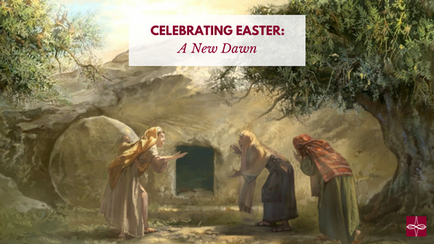
Happy Paschal (Easter) to you all! On Sunday at Dawn toward Sunrise, We all celebrate joyfully The Risen Lord Jesus Christ! 🤟❤️🙏💜🕊️🔥📿
Luke 1:78-79 New Revised Standard Version Catholic Edition 💜🕊️🔥📿
78 By the tender mercy of our God, the dawn from on high will break upon us, 79 to give light to those who sit in darkness and in the shadow of death, to guide our feet into the way of peace.”
Catholic Catechism “The Lord’s day”
1166 “By a tradition handed down from the apostles which took its origin from the very day of Christ’s Resurrection, the Church celebrates the Paschal mystery every seventh day, which day is appropriately called the Lord’s Day or Sunday.”36 The day of Christ’s Resurrection is both the first day of the week, the memorial of the first day of creation, and the “eighth day,” on which Christ after his “rest” on the great sabbath inaugurates the “day that the Lord has made,” the “day that knows no evening.”37 The Lord’s Supper is its center, for there the whole community of the faithful encounters the risen Lord who invites them to his banquet:38The Lord’s day, the day of Resurrection, the day of Christians, is our day. It is called the Lord’s day because on it the Lord rose victorious to the Father. If pagans call it the “day of the sun,” we willingly agree, for today the light of the world is raised, today is revealed the sun of justice with healing in his rays.39
1343 It was above all on “the first day of the week,” Sunday, the day of Jesus’ resurrection, that the Christians met “to break bread.”169 From that time on down to our own day the celebration of the Eucharist has been continued so that today we encounter it everywhere in the Church with the same fundamental structure. It remains the center of the Church’s life.
169 Acts 20:7.
Matthew 28:1-10 Revised Standard Version Catholic Edition regarding Mark 16:1-8, Luke 23:56-24:12, and John 20:1-10
The Resurrection of Jesus
28 [a]Now after the sabbath, toward the dawn of the first day of the week, Mary Mag′dalene and the other Mary went to see the sepulchre. 2 And behold, there was a great earthquake; for an angel of the Lord descended from heaven and came and rolled back the stone, and sat upon it. 3 His appearance was like lightning, and his raiment white as snow. 4 And for fear of him the guards trembled and became like dead men. 5 But the angel said to the women, “Do not be afraid; for I know that you seek Jesus who was crucified. 6 He is not here; for he has risen, as he said. Come, see the place where he[b] lay. 7 Then go quickly and tell his disciples that he has risen from the dead, and behold, he is going before you to Galilee; there you will see him. Lo, I have told you.” 8 So they departed quickly from the tomb with fear and great joy, and ran to tell his disciples. 9 And behold, Jesus met them and said, “Hail!” And they came up and took hold of his feet and worshiped him. 10 Then Jesus said to them, “Do not be afraid; go and tell my brethren to go to Galilee, and there they will see me.”
Footnotes
28.1-20 The resurrection appearances. There are divergent traditions in the gospels, Galilean and Judean. Paul adds his own record (1 Cor 15). The accounts do not easily fit together, but this is surely evidence of their genuineness. There is no attempt to produce an artificial conformity.
Matthew 28:6 Other ancient authorities read the Lord
John 20:1-10 The Resurrection of Jesus
20 Now on the first day of the week Mary Mag′dalene came to the tomb early, while it was still dark, and saw that the stone had been taken away from the tomb. 2 So she ran, and went to Simon Peter and the other disciple, the one whom Jesus loved, and said to them, “They have taken the Lord out of the tomb, and we do not know where they have laid him.” 3 Peter then came out with the other disciple, and they went toward the tomb. 4 They both ran, but the other disciple outran Peter and reached the tomb first; 5 and stooping to look in, he saw the linen cloths lying there, but he did not go in. 6 Then Simon Peter came, following him, and went into the tomb; he saw the linen cloths lying, 7 and the napkin, which had been on his head, not lying with the linen cloths but rolled up in a place by itself. 8 Then the other disciple, who reached the tomb first, also went in, and he saw and believed; 9 for as yet they did not know the scripture, that he must rise from the dead. 10 Then the disciples went back to their homes.
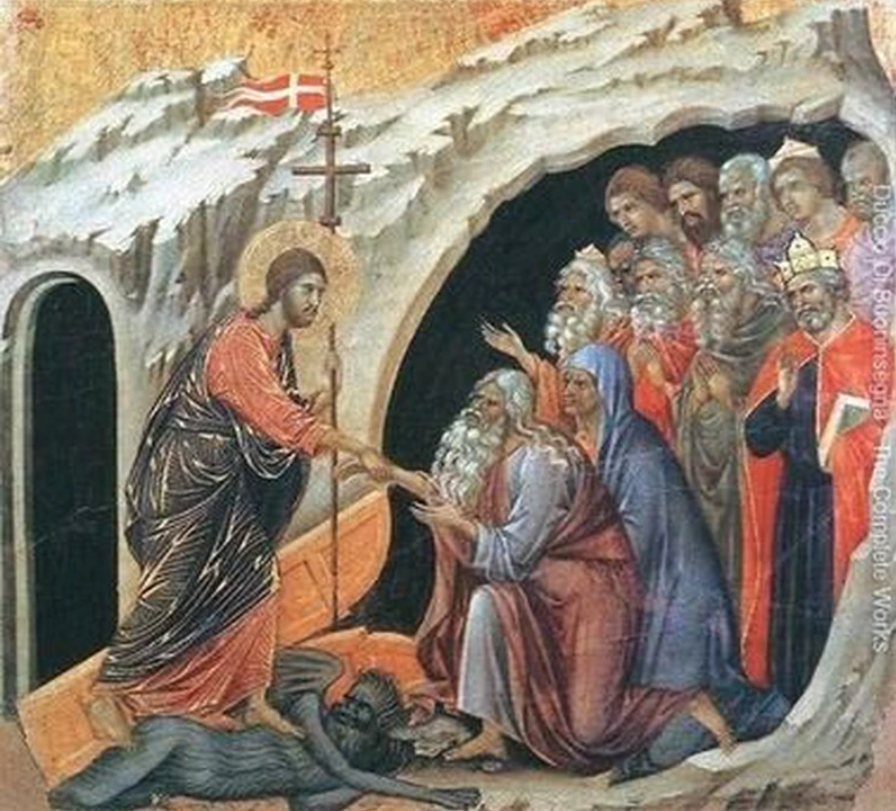
MARCH 30 + On Holy Saturday, after Christ was crucified, died and was buried, He “… descended into hell …”
Many ask why Christ would descend into hell and what was His purpose in doing so? Tradition holds that Christ went to a level of hell called limbo. This was a triumphant descent to the place where ALL of the righteous souls were being held until Christ came to rescue them and open the gates of Heaven. The souls in this level of hell, which was not a place of eternal torment like the lower depths of hell occupied by satan and his demons, included the souls of Adam and Eve, Moses, Noah, Joseph, and millions of others who were patiently waiting for the Savior to take them to the Eternal Kingdom. It is said that because Adam and Eve had been in limbo the longest, Jesus went searching for their souls first.
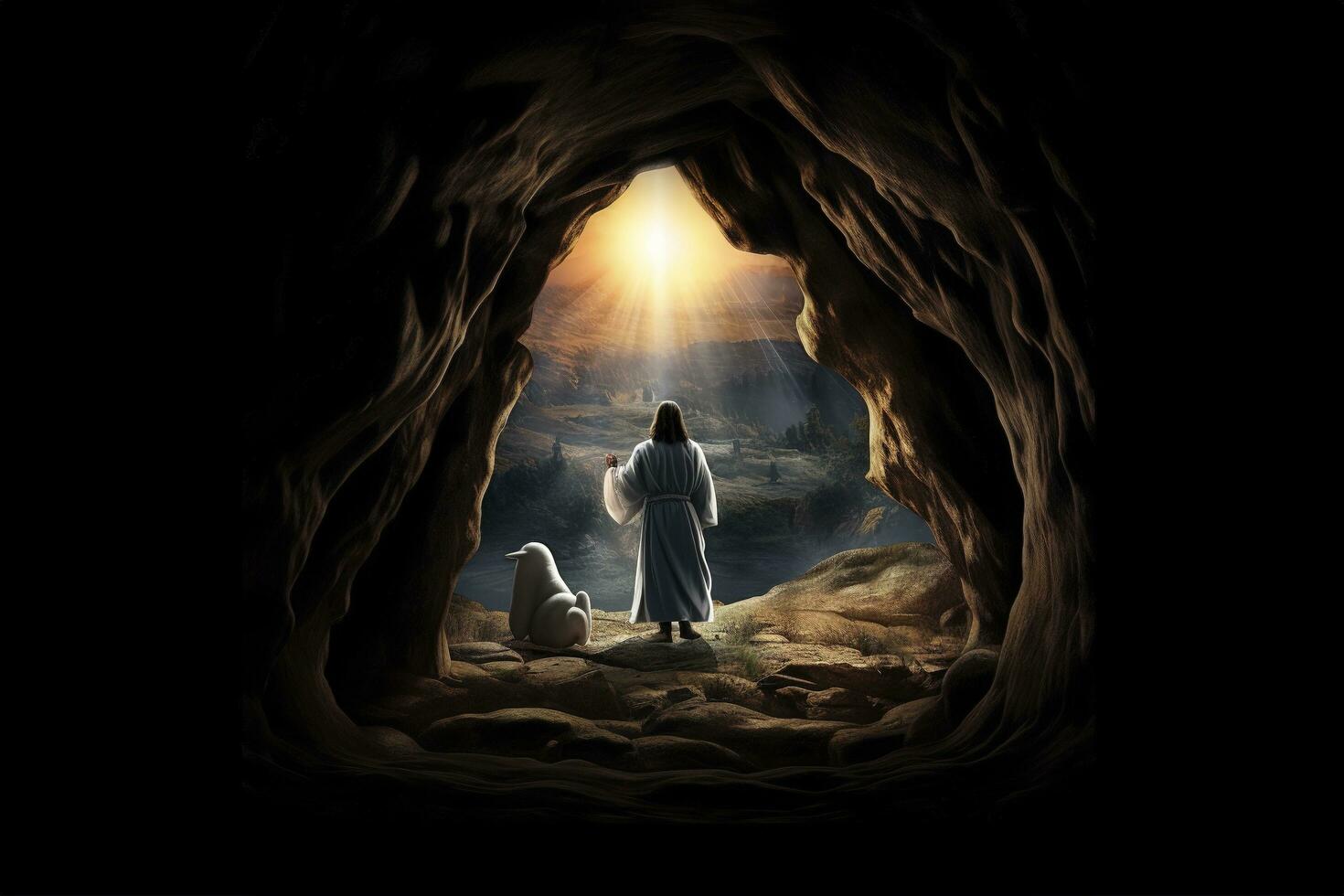
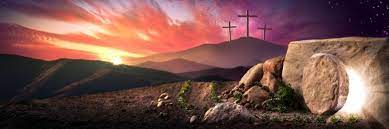
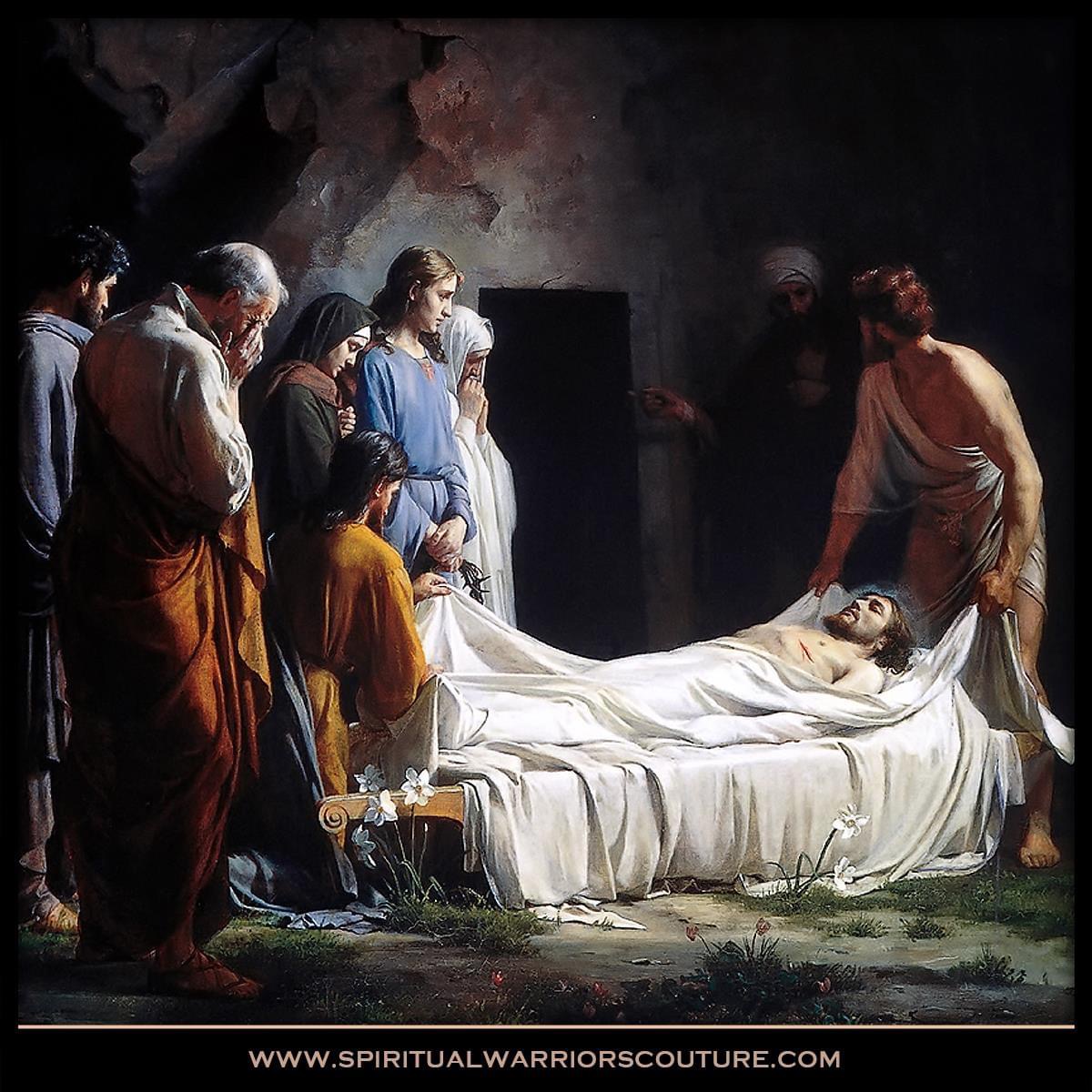
Today is Holy Saturday. At Catholic Church, We pray and remember during Holy Saturday is Jesus’ entombment before tomorrow is The Risen Lord on Holy Sunday literally called The Lord’s Day!
I pray because I left many false doctrines of Messianic and Hebrew Roots Movement (HRM) and their darkness spiritual blindness:
My short testimony: I am survivor from abusing their excessive twisted scriptures into darkness not satisfying the True Sacred Scriptures and True Sacred Traditions of Jesus Christ is Fully God and *gracefully give daily thanksgiving to God touch my heart obeying Holy Spirit led me dive into The Presence of Christ is The Body, Blood, Soul and Divinity is The True Eucharist into the Holy Mass of Holy One Apostolic Catholic Church.
*I gracefully give thanksgiving to God the reason I went through and did studied deep Torah Portion (Tanakh “Old Covenant” and Brit Chadasha “New Covenant”) and found peace (shalom) through Jesus Christ and His Divine Messianic Fulfillment. May God bless you. ❤️🕊️🔥📿
The Catechism of the Catholic Church states:
“By the expression ‘He descended into Hell’, the Apostles’ Creed confesses that Jesus did really die and through his death for us conquered death and the devil ‘who has the power of death’ (Hebrews 2:14).
636 By the expression “He descended into hell”, the Apostles’ Creed confesses that Jesus did really die and through his death for us conquered death and the devil “who has the power of death” (Heb 2:14).
637 In his human soul united to his divine person, the dead Christ went down to the realm of the dead. He opened heaven’s gates for the just who had gone before him.
I believe in God, the Father almighty, Creator of heaven and earth, and in Jesus Christ, his only Son, our Lord, who was conceived by the Holy Spirit, born of the Virgin Mary, suffered under Pontius Pilate, was crucified, died and was buried; he descended into hell; 👈🙏❤️🕊️🔥📿 on the third day he rose again from the dead; he ascended into heaven, and is seated at the right hand of God the Father almighty; from there he will come to judge the living and the dead.
I believe in the Holy Spirit, the holy catholic Church, the communion of saints, the forgiveness of sins, the resurrection of the body, and life everlasting.
The Nicene Creed is more expansive than the Apostles’ Creed, but the latter does contain two assertions that do not have equivalents in the Nicene Creed. The first is the statement that after Jesus died, he “descended into hell.” This phrase relates to 1 Peter 3:18-19 which states:
“For Christ also diedfor sins once for all, the righteous for the unrighteous, that he might bring us to God, being put to death in the flesh but made alive in the spirit;in which he went and preached to the spirits in prison.” 👈👀🙏❤️🕊️🔥📿
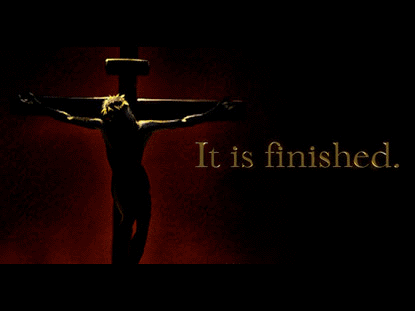
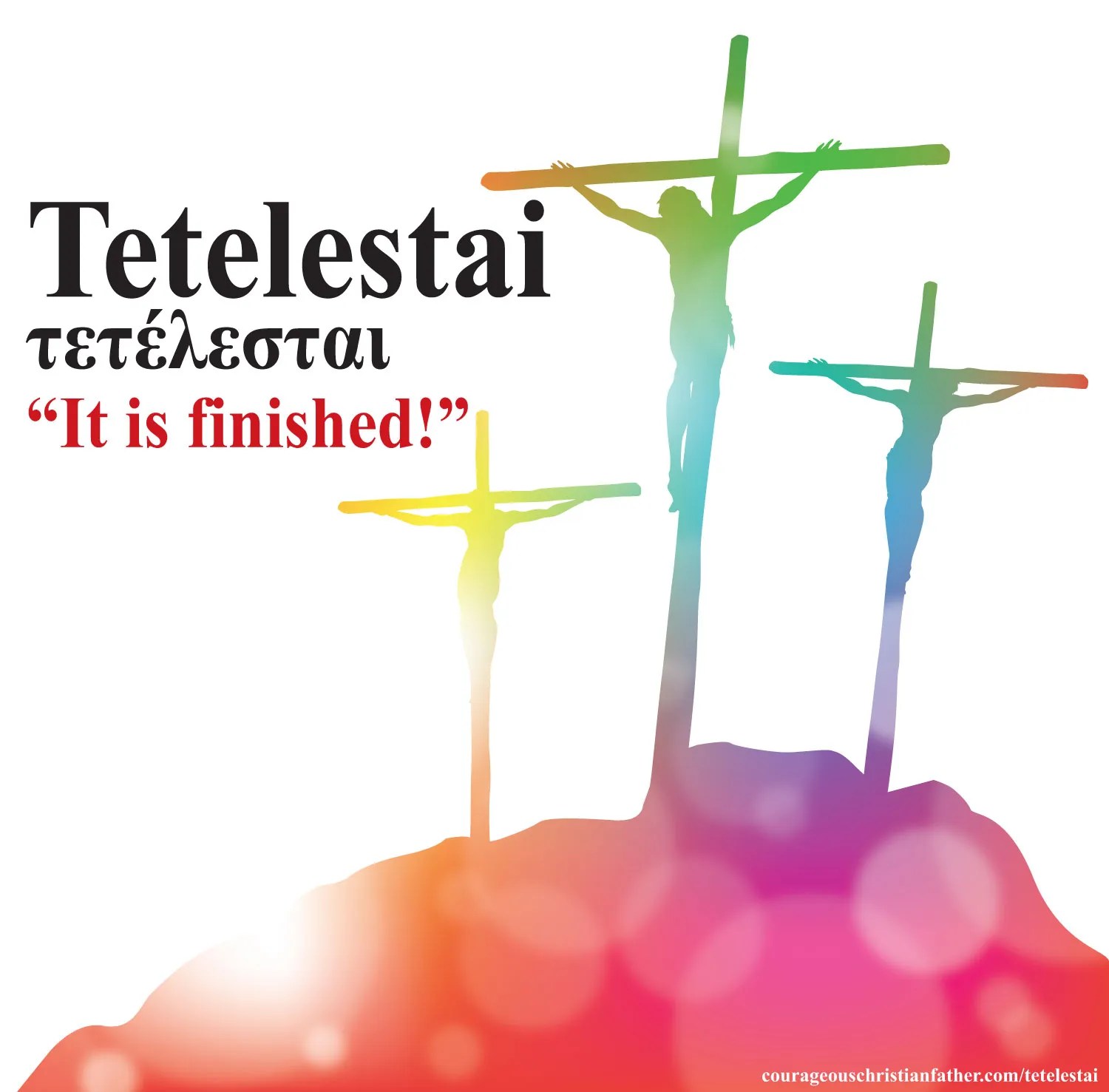
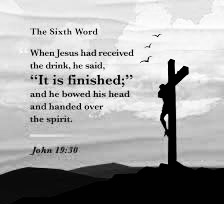
The last words spoken by the dying Christ in St. John’s Gospel are simply:
In Greek tetelestai
In Latin consummatum est. The Latin translation of the same word is consummated (consummatum est).👈❤️🙏🕊️🔥📿
Update more interesting elaboration what I agree joyfully: 👇👀👇
It is finished” (John 19:30). In Latin, this phrase is “consummatum est,” which is rich in meaning. It refers to the debt being paid in full, the fulfillment of the Old Covenant, the completion of the sacrifice, the complete gift of self to the bride.
‘It is finished’ or ‘It is fulfilled’. “It is finished!” on St. John 19:30
🙏❤️Triumph!🙏❤️🕊️🔥📿
I agree with this article: Latin word: 👉Consummatum est. It is consummated. It is complete. It is fulfilled. It is accomplished. Something has ended, but something has also begun! 👈 Please click “It is finished!”
I admire Dr. Edward Sri and recommend you all read on It is Finished
It is Finished
These words could sound like words of defeat. However, these words are actually words of triumph. In Latin, this sentence would be translated as “It is consummated.” Other translations could read it as “It is accomplished.” One thing these words are revealing is that Christ has accomplished and fulfilled the will of the Father. However, there is more to understand from these words.
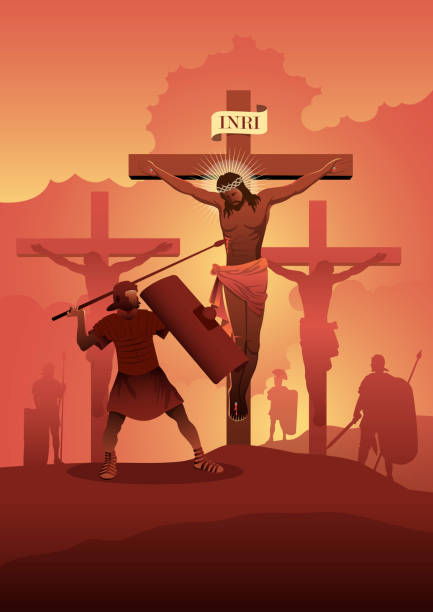
A Roman Soldier (The Holy Lance, also known as the Lance of Longinus (named after Saint Longinus), the Spear of Destiny, or the Holy Spear) stabs Jesus Christ with a lance as he (Jesus) is crucified.
The seven last words demonstrate through The Sacred Scriptures and Sacred Traditions of Christ.
In order:
Father, forgive them; for they know not what they do.






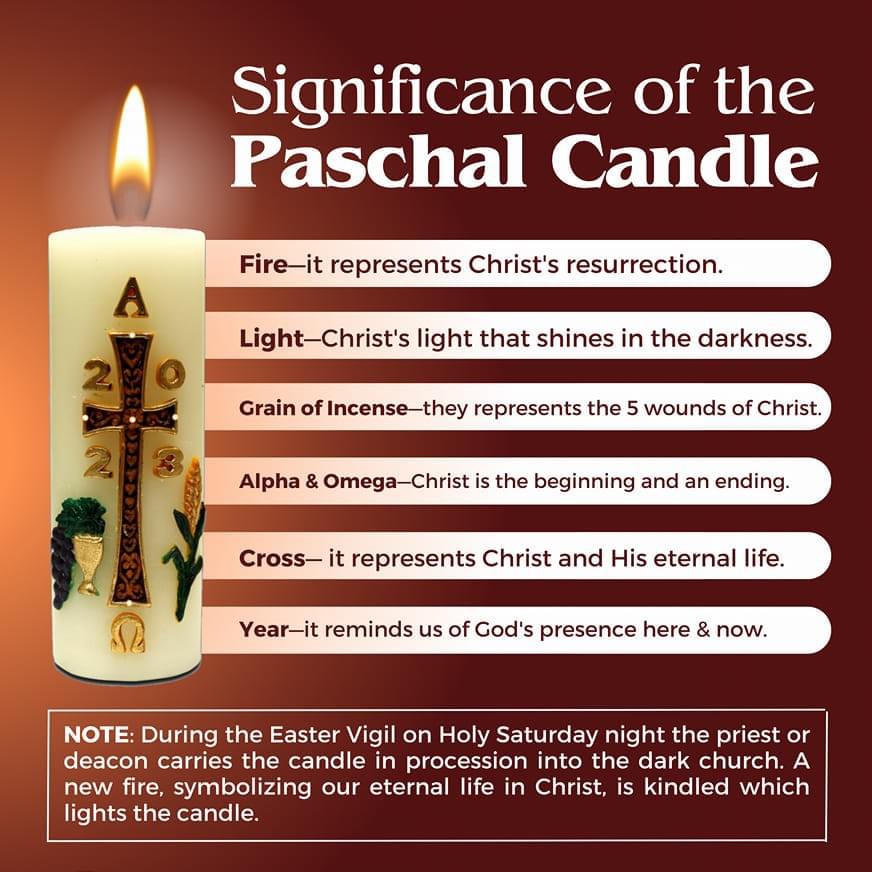
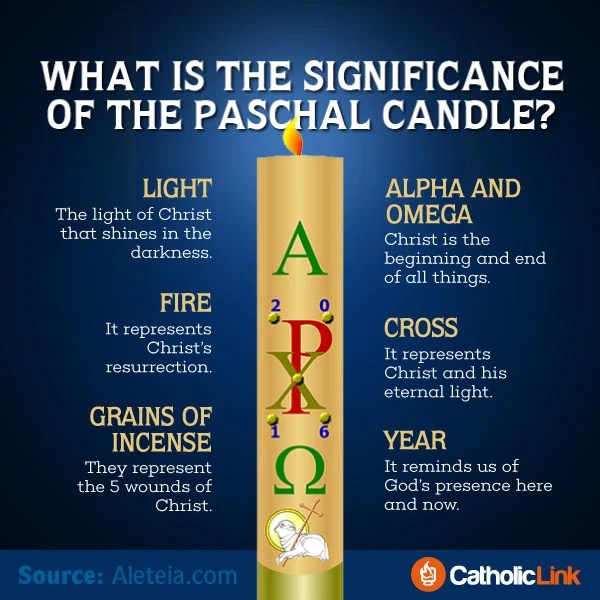
 Jesus Christ is New Paschal Lamb of God
You must be logged in to post a comment.