

Please click watching video burning palm branches ashes for ASH Wednesday
Enjoy reading A Primer for the Season of Lent
On September 16, 2023 (1 Tishri 5784) Rosh haShanah same time I received new Confirmation and new Eucharist into the Presence of Christ is The Body, Blood, Soul and Divinity at Most Blessed Sacrament Catholic Church.
Please click watching video burning palm branches ashes for ASH Wednesday
Enjoy reading A Primer for the Season of Lent
At Most Blessed Sacrament Catholic Church in Baton Rouge, Louisiana:
Ash Wednesday schedule:
Confessions – 7:45AM, 11AM, 5PM
Mass and Ashes – 8:45AM, 12PM, 6PM
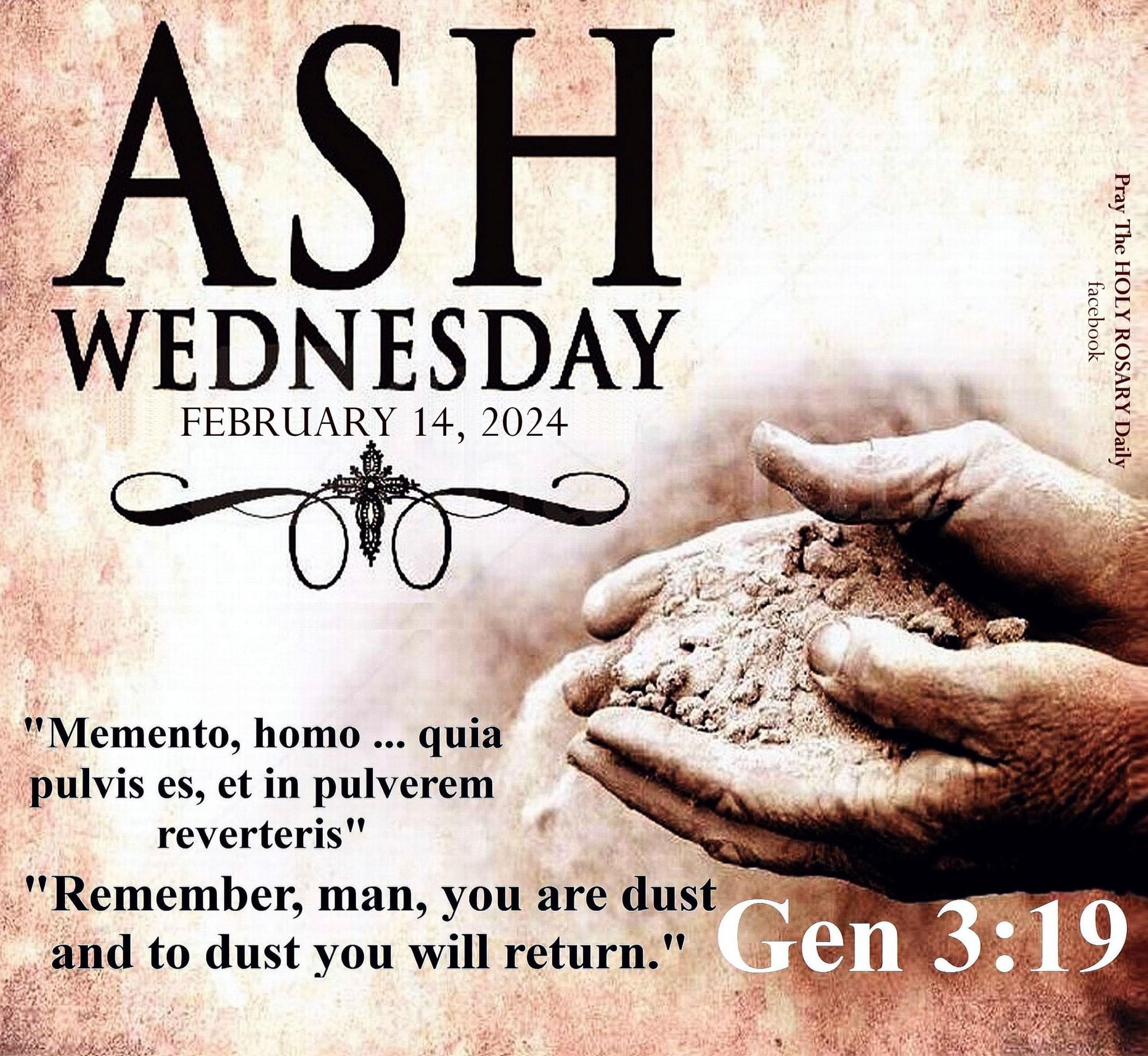

🤟❤️ Today is Happy Valentine’s Day same time Ash. Please click St. Valentine. Please click Feb 14 2024 USCCB. 🙏📿🙏📿💜🕊️🔥
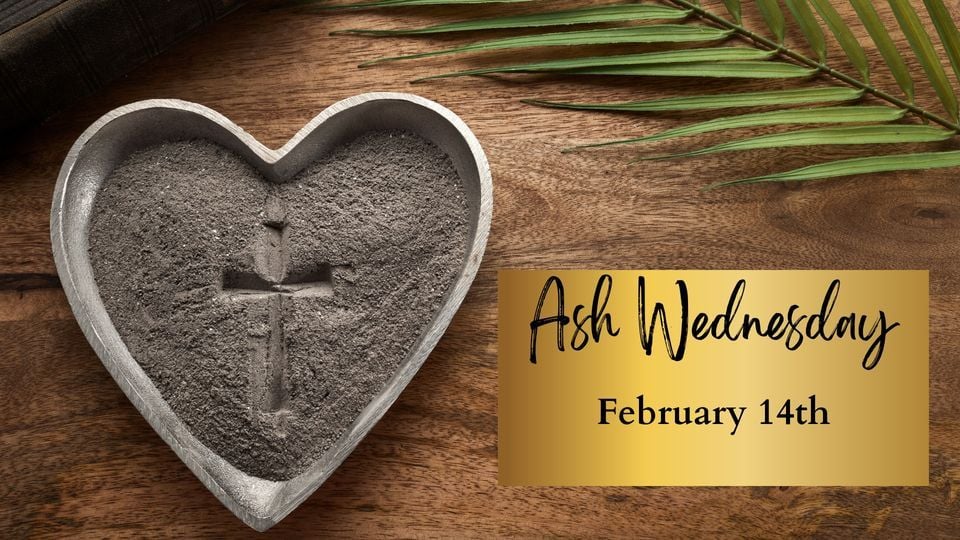
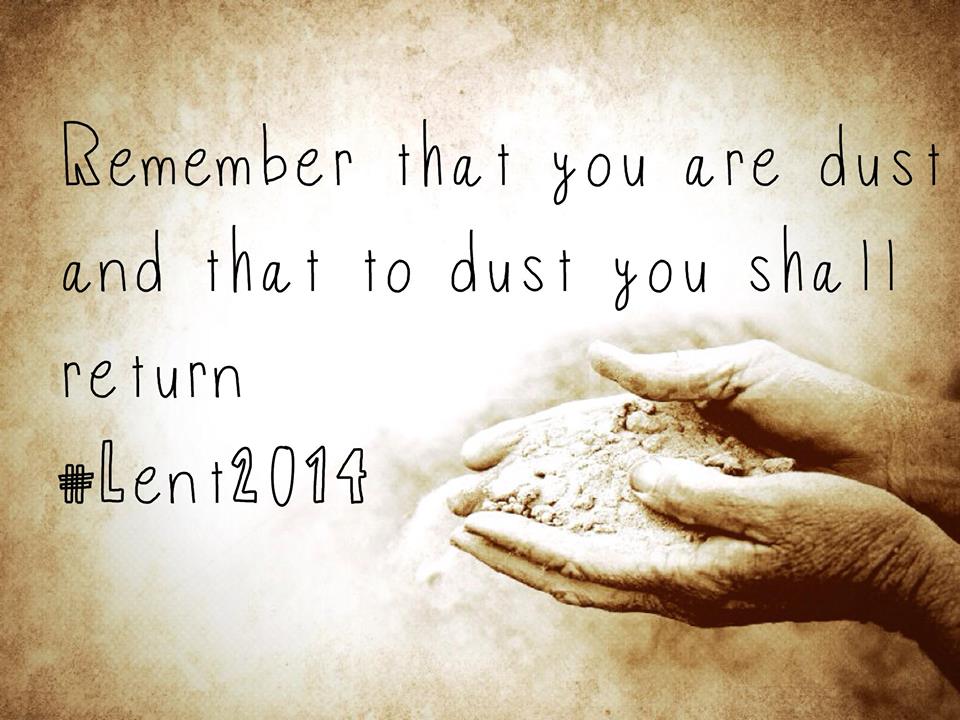
Update from ETWN on February 14, 2024
….
We find in the lives of the saints, like St. Francis of Assisi, that their wholehearted “return to the Lord” was characterized by the three practices the Lord puts before us in today’s Gospel: prayer, fasting, and almsgiving. St. Francis would seek out a mountain top or a cave where he could be alone with God in prayer. In fact, one time he told a companion that he had to go into a nearby cave to find a treasure – and, his biographer tells us, that treasure was union with God in prayer. Francis also certainly fasted from food, as well as from many other things that he saw could sidetrack him from “the one thing necessary” (cf. Luke 10:42). Finally, he gave his fine garments to the poor and took care of those who suffered with leprosy.
These three practices led Francis – and lead us – to:
Today, on this day on which we seek to return to the Lord with all of our hearts, we fast. In doing so, we acknowledge our need for repentance – and when we sincerely do this, we experience the “treasure” that St. Francis found: a deeper union with God, with others, and even within ourselves.
Here are today’s Mass readings:
First Reading: Joel 2:12-18
Psalm: 51:3-4, 5-6ab, 12-13, 14 and 17
Second Reading: 2 Corinthians 5:20–6:2
Gospel: Matthew 6:1-6, 16-18
Here are a few of EWTN’s faith-filled programs to encourage and inspire you this week:
SOLEMN MASS OF ASH WEDNESDAY The Imposition of Ashes ushers in the Lenten season in this Solemn Mass celebrated live with the Franciscan Missionaries at Our Lady of the Angels Chapel in Irondale, Alabama.
Please click Lent: What is Lent and why is it celebrated?
In 2024, Lent begins on February 14 (Ash Wednesday) and ends on March 28 (Holy Thursday), as the Mass of the Lord’s Supper begins. Easter Sunday is March 31.
….
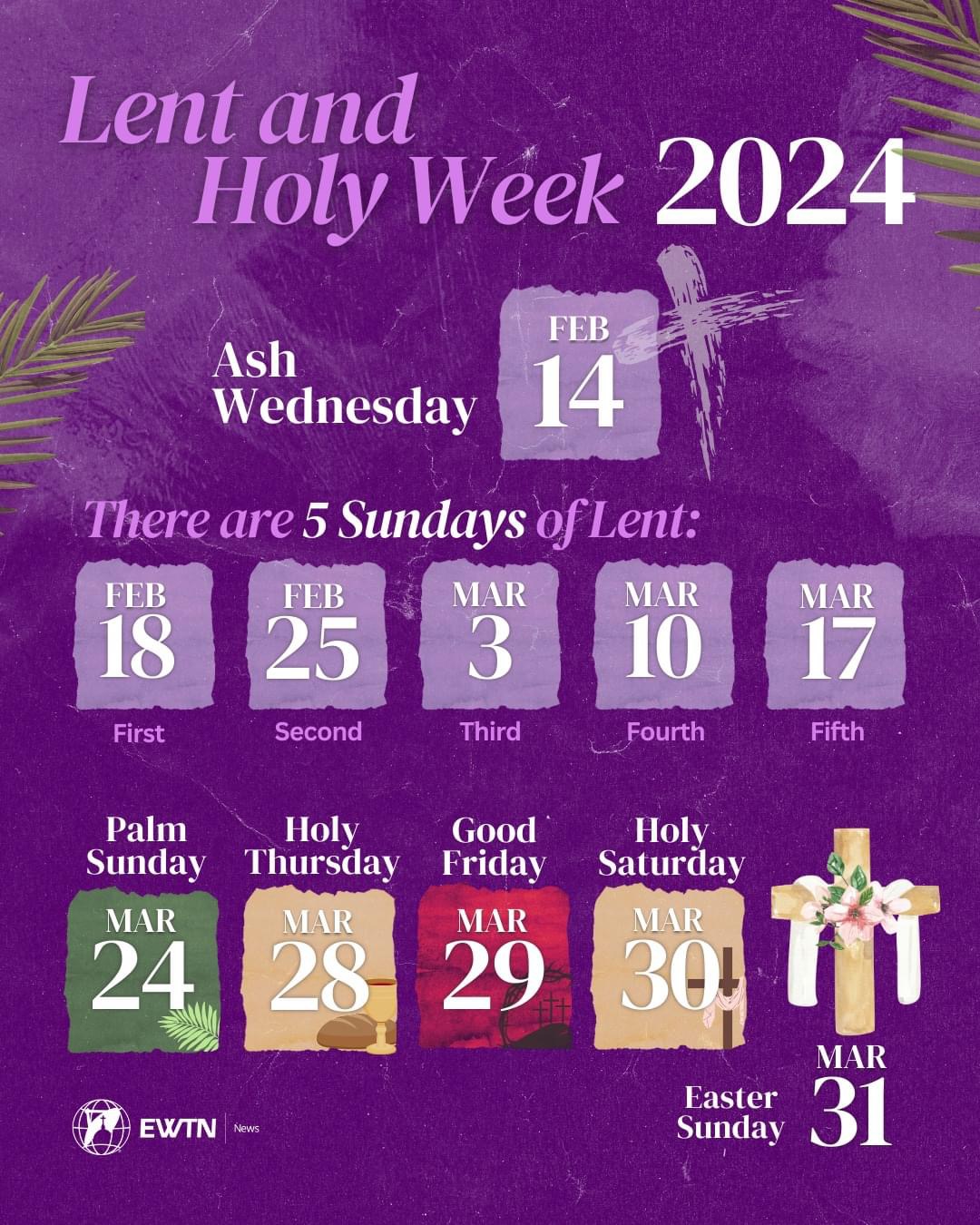
Please click ETWN excellent article What is Lent and why is it celebrated?
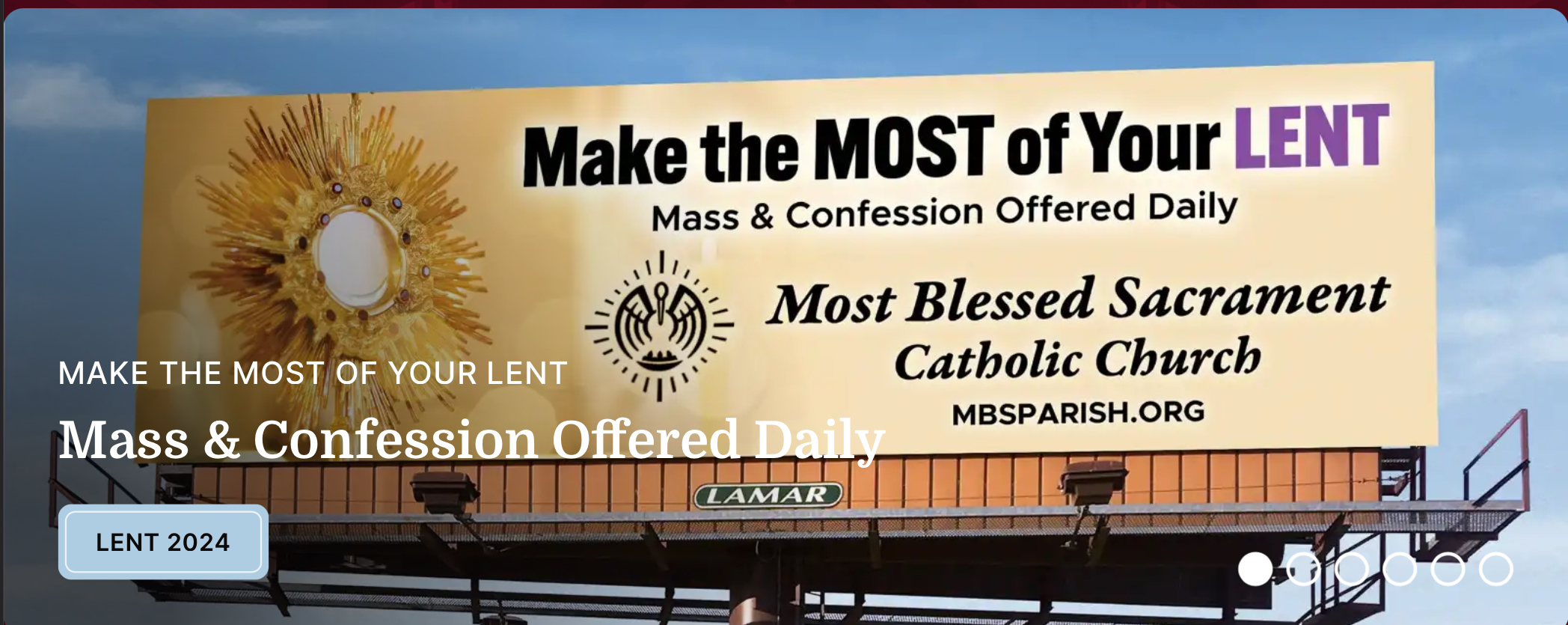
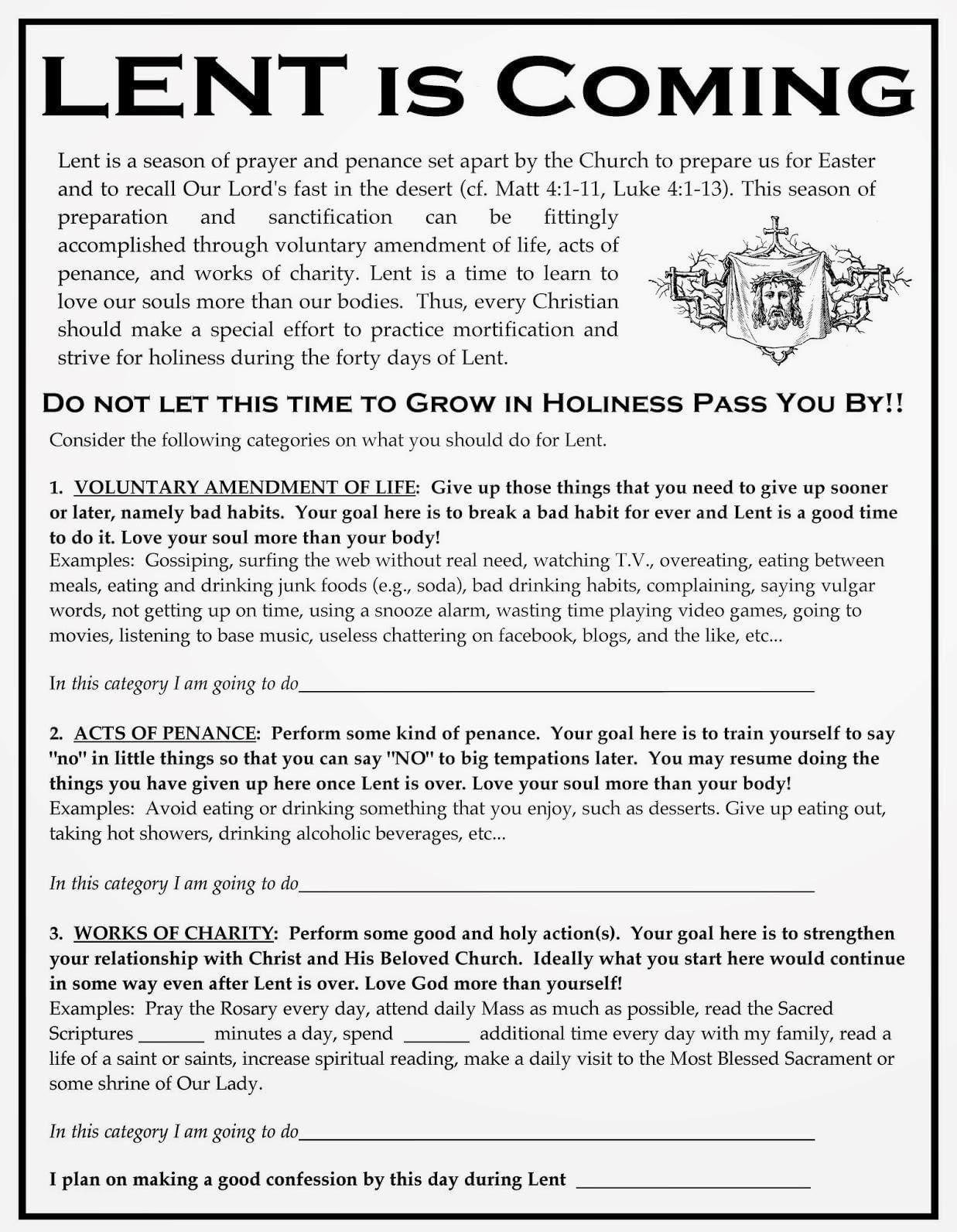
From below photo “Lent is Coming” Most Blessed Sacrament Catholic Church shares this:

Evening of Thursday , March 28, 2024 toward Sunday, March 31, 2024
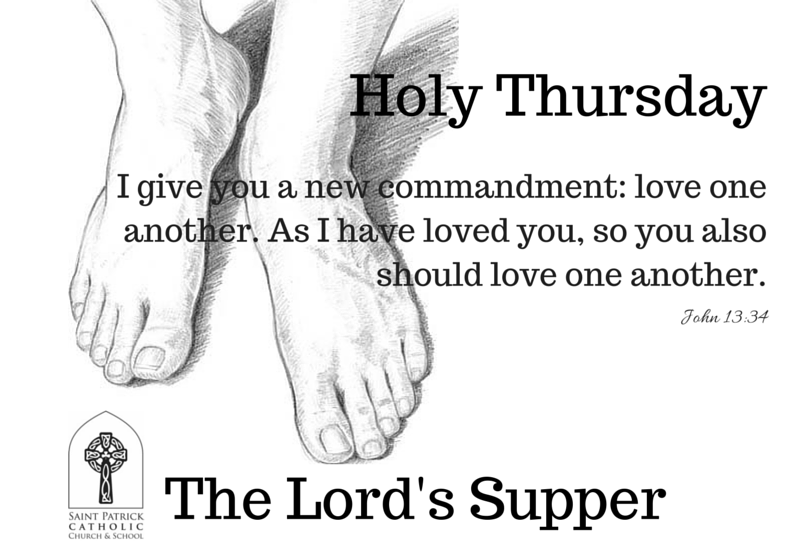
What is Maundy Thursday? Answer: The Thursday before Easter is known as either Maundy Thursday, or Holy Thursday. Maundy is derived from the Latin word for “command,” and refers to Jesus’ commandment to the disciples to “Love one another as I have loved you.”
Maundy Thursday is the title given to the last Thursday before Paschal (Easter), when practicing Christians hold that that their Savior, Jesus Christ washed the feet of his disciples, in an act of humility, at the occasion of ‘The Last Supper,’ when he (Jesus) gave his commandments in Latin (‘mandatum’, from which ‘Maundy’ is derived demonstrating us all see deep meaning Maundy” comes from the Latin word mandatum, or commandment, reflecting Jesus’ words “I give you a new commandment.”
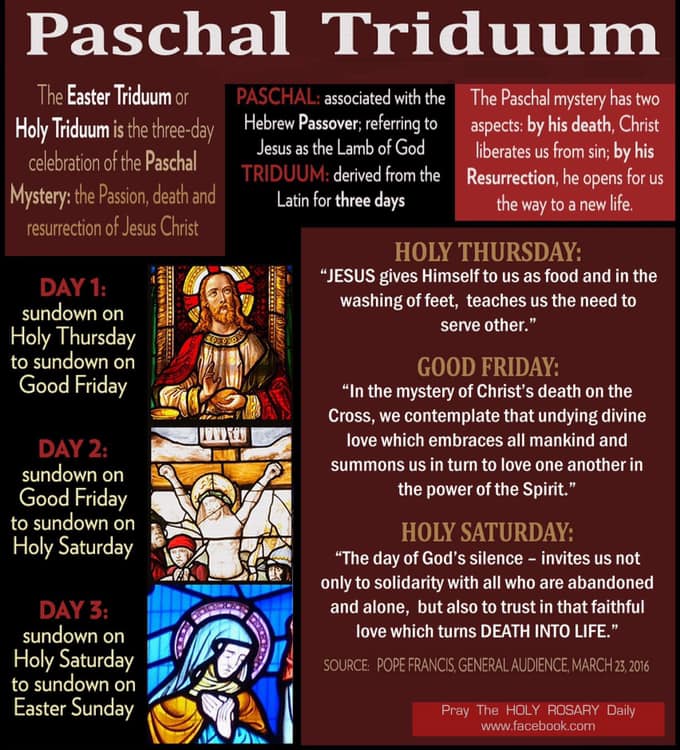
Sundown on Holy Thursday to sundown on Easter Sunday is considered the most solemn part of the liturgical year. This three-day period is referred to as the Easter Triduum, also known as the Sacred Triduum, or Paschal Triduum.
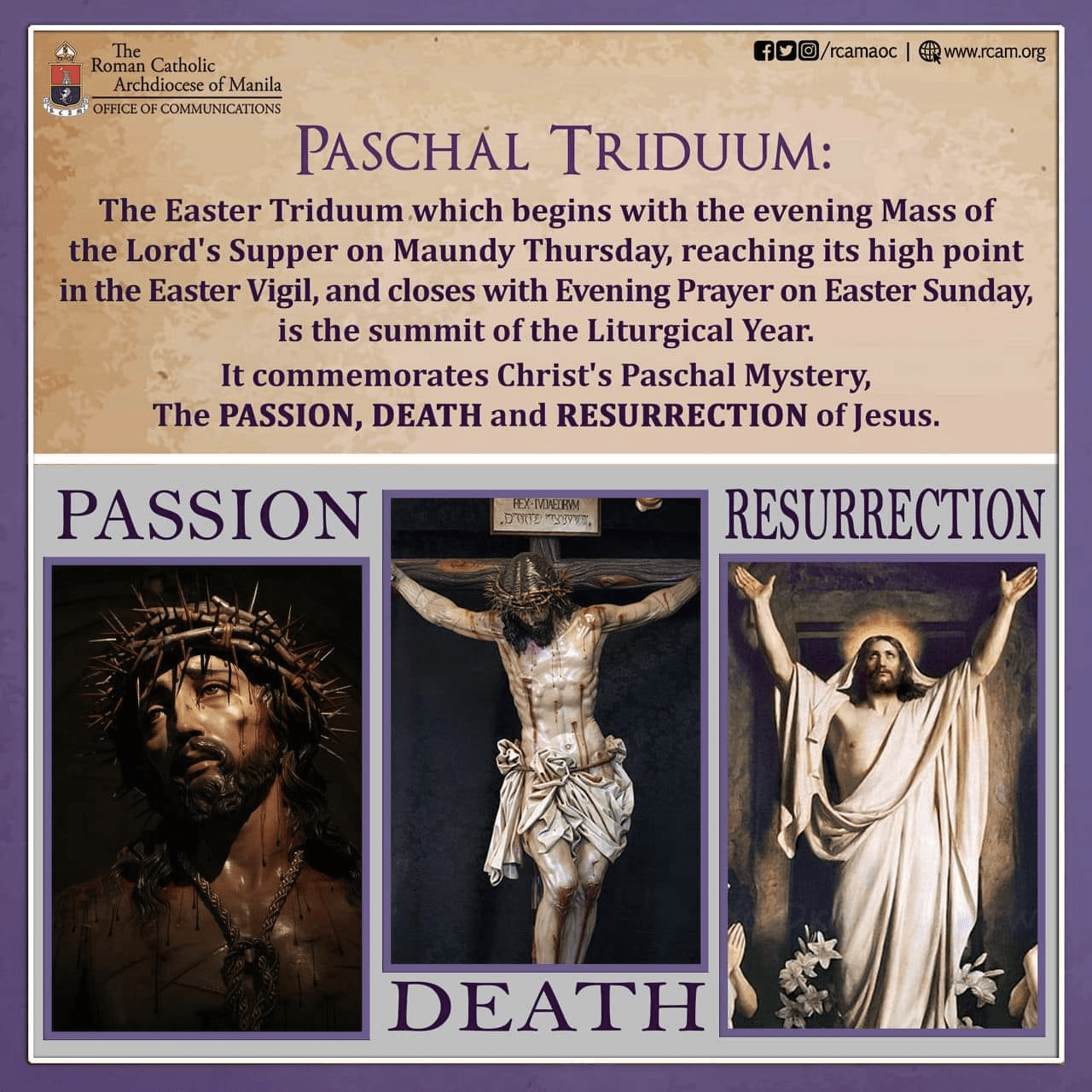
The Paschal Triduum or Easter Triduum (Latin: Triduum Paschale), Holy Triduum (Latin: Triduum Sacrum), or the Three Days, is the period of three days that begins with the liturgy on the evening of Maundy Thursday, reaches its high point in the Easter Vigil, and closes with evening prayer on Easter Sunday.
Please click Easter 2024
I enjoy reading this subscribe from USCCB Calendar 2024 you can subscribe through your email. May God bless you. 🤟📿🙏💜🕊️🔥📿✝️✡️🙏🕊️💜🕊️🔥

What do Catholics celebrate February 2?
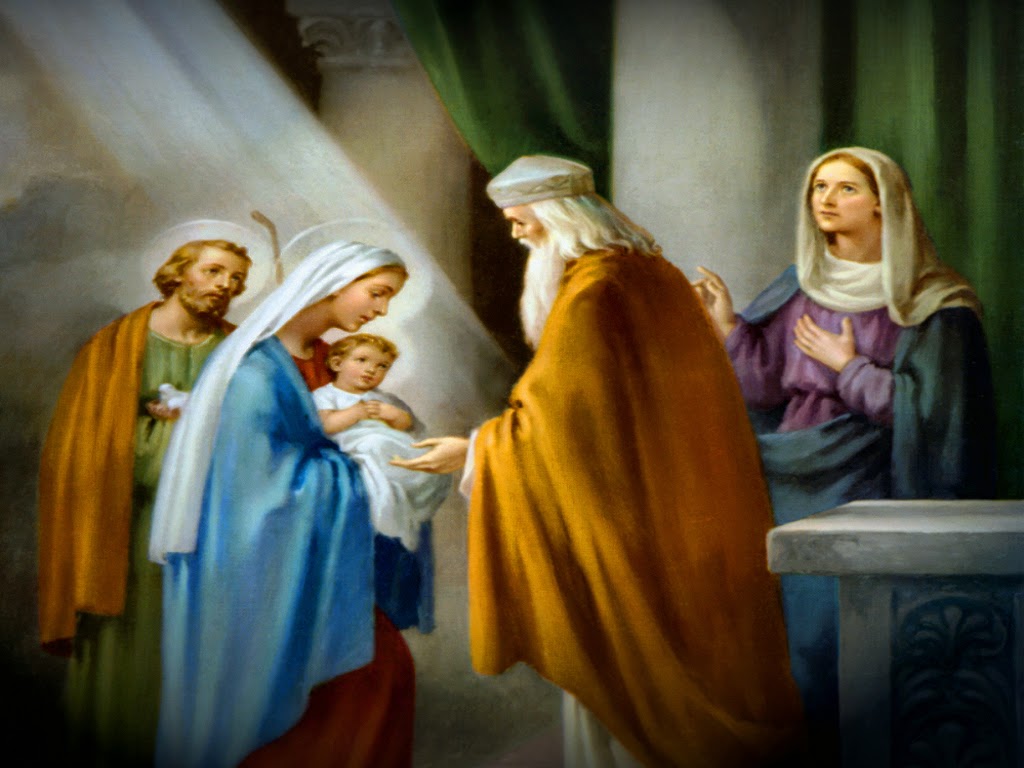
Candlemas, Christian festival on February 2 commemorating the occasion when the Virgin Mary, in obedience to Jewish law, went to the Temple in Jerusalem both to be purified 40 days after the birth of her son, Jesus, and to present him to God as her firstborn (Luke 2:22–38).
The Feast of the Presentation of Jesus Christ
Candlemas, also known as the Feast of the Presentation of Jesus Christ, the Feast of the Purification of the Blessed Virgin Mary, or the Feast of the Holy Encounter, is a Christian feast day commemorating the presentation of Jesus at the Temple. It is based upon the account of the presentation of Jesus in Luke 2:22-40.
“Catechism of the Catholic Church” (CCC)
CCC 529 The presentation of Jesus in the temple shows him to be the firstborn Son who belongs to the Lord.1 With Simeon and Anna, all Israel awaits its encounter with the Savior-the name given to this event in the Byzantine tradition. Jesus is recognized as the long-expected Messiah, the “light to the nations” and the “glory of Israel”, but also “a sign that is spoken against”. The sword of sorrow predicted for Mary announces Christ’s perfect and unique oblation on the cross that will impart the salvation God had “prepared in the presence of all peoples”.
1 Cf. Lk 2:22-39; EX 13:2, 12-13.
Leviticus 12 NABRE
Uncleanness of Childbirth. 1 The Lord said to Moses: 2 Tell the Israelites: When a woman has a child, giving birth to a boy, she shall be unclean[a] for seven days, with the same uncleanness as during her menstrual period. 3 On the eighth day, the flesh of the boy’s foreskin shall be circumcised,[b] 4 and then she shall spend thirty-three days more in a state of blood purity; she shall not touch anything sacred nor enter the sanctuary till the days of her purification are fulfilled. 5 If she gives birth to a girl, for fourteen days she shall be as unclean as during her menstrual period, after which she shall spend sixty-six days[c]in a state of blood purity.
6 [d]When the days of her purification for a son or for a daughter are fulfilled, she shall bring to the priest at the entrance of the tent of meeting a yearling lamb for a burnt offering and a pigeon or a turtledove for a purification offering. 7 The priest shall offer them before the Lord to make atonement for her, and thus she will be clean again after her flow of blood. Such is the ritual for the woman who gives birth to a child, male or female. 8 If, however, she cannot afford a lamb, she may take two turtledoves or two pigeons, the one for a burnt offering and the other for a purification offering. The priest shall make atonement for her, and thus she will again be clean.
I enjoy reading ETWN about Feast of St. Simeon and St. Anna on February 3rd. Enjoy!
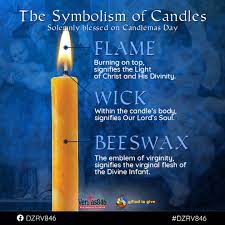
Parishioners can bring candles to this Mass to have them blessed for use at home throughout the year. The Catholic Company explains that candles are symbolic of the incarnate Christ.
“The beeswax is a symbol of his pure body, the wick his soul and the flame his divinity.”
Please click about Blessing Candles
May God bless you. 🤟🙏💜🕊️🔥
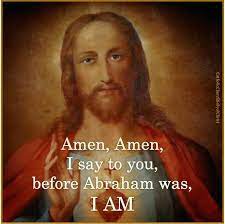
God alone IS
212 Over the centuries, Israel’s faith was able to manifest and deepen realization of the riches contained in the revelation of the divine name. God is unique; there are no other gods besides him.24 He transcends the world and history. He made heaven and earth: “They will perish, but you endure; they will all wear out like a garment. . . .but you are the same, and your years have no end.”25 In God “there is no variation or shadow due to change.”26 God is “HE WHO IS”, from everlasting to everlasting, and as such remains ever faithful to himself and to his promises.

213 The revelation of the ineffable name “I AM WHO AM” contains then the truth that God alone IS. The Greek Septuagint translation of the Hebrew Scriptures, and following it the Church’s Tradition, understood the divine name in this sense: God is the fullness of Being and of every perfection, without origin and without end. All creatures receive all that they are and have from him; but he alone is his very being, and he is of himself everything that he is.
24 Cf. Isa 44:6.
25 Ps 102:26-27.
26 Jas 1:17.
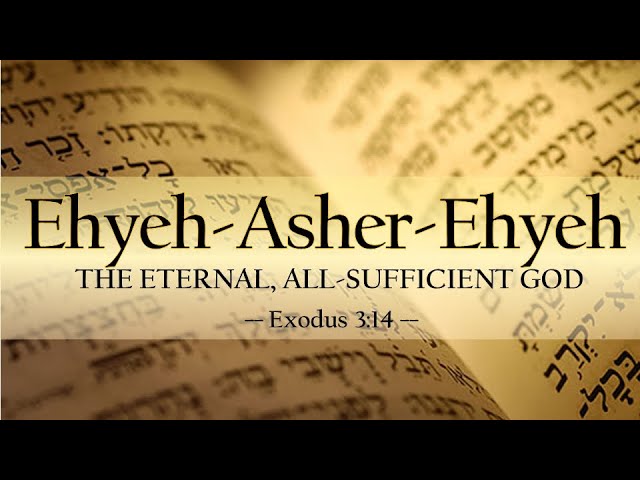
III. TRUE GOD AND TRUE MAN
464 The unique and altogether singular event of the Incarnation of the Son of God does not mean that Jesus Christ is part God and part man, nor does it imply that he is the result of a confused mixture of the divine and the human. He became truly man while remaining truly God. Jesus Christ is true God and true man.
During the first centuries, the Church had to defend and clarify this truth of faith against the heresies that falsified it.
465 The first heresies denied not so much Christ’s divinity as his true humanity (Gnostic Docetism). From apostolic times the Christian faith has insisted on the true incarnation of God’s Son “come in the flesh”.87 But already in the third century, the Church in a council at Antioch had to affirm against Paul of Samosata that Jesus Christ is Son of God by nature and not by adoption. The first ecumenical council of Nicaea in 325 confessed in its Creed that the Son of God is “begotten, not made, of the same substance (homoousios) as the Father”, and condemned Arius, who had affirmed that the Son of God “came to be from things that were not” and that he was “from another substance” than that of the Father.88
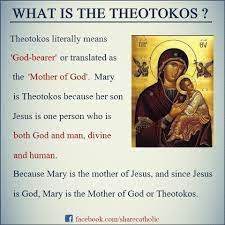
466 The Nestorian heresy regarded Christ as a human person joined to the divine person of God’s Son. Opposing this heresy, St. Cyril of Alexandria and the third ecumenical council, at Ephesus in 431, confessed “that the Word, uniting to himself in his person the flesh animated by a rational soul, became man.”89 Christ’s humanity has no other subject than the divine person of the Son of God, who assumed it and made it his own, from his conception. For this reason the Council of Ephesus proclaimed in 431 that Mary truly became the Mother of God by the human conception of the Son of God in her womb: “Mother of God, not that the nature of the Word or his divinity received the beginning of its existence from the holy Virgin, but that, since the holy body, animated by a rational soul, which the Word of God united to himself according to the hypostasis, was born from her, the Word is said to be born according to the flesh.”90
89 Council of Ephesus (431): DS 250.
90 Council of Ephesus: DS 251.
467 The Monophysites affirmed that the human nature had ceased to exist as such in Christ when the divine person of God’s Son assumed it. Faced with this heresy, the fourth ecumenical council, at Chalcedon in 451, confessed:Following the holy Fathers, we unanimously teach and confess one and the same Son, our Lord Jesus Christ: the same perfect in divinity and perfect in humanity, the same truly God and truly man, composed of rational soul and body; consubstantial with the Father as to his divinity and consubstantial with us as to his humanity; “like us in all things but sin”. He was begotten from the Father before all ages as to his divinity and in these last days, for us and for our salvation, was born as to his humanity of the virgin Mary, the Mother of God.91
91 Council of Chalcedon (451): DS 301; cf. Heb 4:15.
Mary’s divine motherhood
495 Called in the Gospels “the mother of Jesus”, Mary is acclaimed by Elizabeth, at the prompting of the Spirit and even before the birth of her son, as “the mother of my Lord”.144 In fact, the One whom she conceived as man by the Holy Spirit, who truly became her Son according to the flesh, was none other than the Father’s eternal Son, the second person of the Holy Trinity. Hence the Church confesses that Mary is truly “Mother of God” (Theotokos).145
144 Lk 1:43; Jn 2:1; 19:25; cf. Mt 13:55; et al.
145 Council of Ephesus (431): DS 251.
2677 Holy Mary, Mother of God: With Elizabeth we marvel, “And why is this granted me, that the mother of my Lord should come to me?”36 Because she gives us Jesus, her son, Mary is Mother of God and our mother; we can entrust all our cares and petitions to her: she prays for us as she prayed for herself: “Let it be to me according to your word.”37 By entrusting ourselves to her prayer, we abandon ourselves to the will of God together with her: “Thy will be done.”

Pray for us sinners, now and at the hour of our death: By asking Mary to pray for us, we acknowledge ourselves to be poor sinners and we address ourselves to the “Mother of Mercy,” the All-Holy One. We give ourselves over to her now, in the Today of our lives. And our trust broadens further, already at the present moment, to surrender “the hour of our death” wholly to her care. May she be there as she was at her son’s death on the cross. May she welcome us as our mother at the hour of our passing38 to lead us to her son, Jesus, in paradise.
36 Lk 1:43.
37 Lk 1:38.
38 Cf. Jn 19:27.
We confess that one and the same Christ, Lord, and only-begotten Son, is to be acknowledged in two natures without confusion, change, division or separation. The distinction between the natures was never abolished by their union, but rather the character proper to each of the two natures was preserved as they came together in one person (prosopon) and one hypostasis.92
92 Council of Chalcedon: DS 302
468 After the Council of Chalcedon, some made of Christ’s human nature a kind of personal subject. Against them, the fifth ecumenical council, at Constantinople in 553, confessed that “there is but one hypostasis [or person], which is our Lord Jesus Christ, one of the Trinity.”93 Thus everything in Christ’s human nature is to be attributed to his divine person as its proper subject, not only his miracles but also his sufferings and even his death: “He who was crucified in the flesh, our Lord Jesus Christ, is true God, Lord of glory, and one of the Holy Trinity.”94
469 The Church thus confesses that Jesus is inseparably true God and true man. He is truly the Son of God who, without ceasing to be God and Lord, became a man and our brother: “What he was, he remained and what he was not, he assumed”, sings the Roman Liturgy.95 And the liturgy of St. John Chrysostom proclaims and sings: “O only-begotten Son and Word of God, immortal being, you who deigned for our salvation to become incarnate of the holy Mother of God and ever-virgin Mary, you who without change became man and were crucified, O Christ our God, you who by your death have crushed death, you who are one of the Holy Trinity, glorified with the Father and the Holy Spirit, save us!”96
93 Council of Constantinople II (553): DS 424.
94 Council of Constantinople II (553): DS 432; cf. DS 424; Council of Ephesus, DS 255.
95 LH, 1 January, Antiphon for Morning Prayer; cf. St. Leo the Great, Sermo in nat. Dom. 1, 2; PL 54, 191-192.
96 Liturgy of St. John Chrysostom, Troparion “O monogenes.”
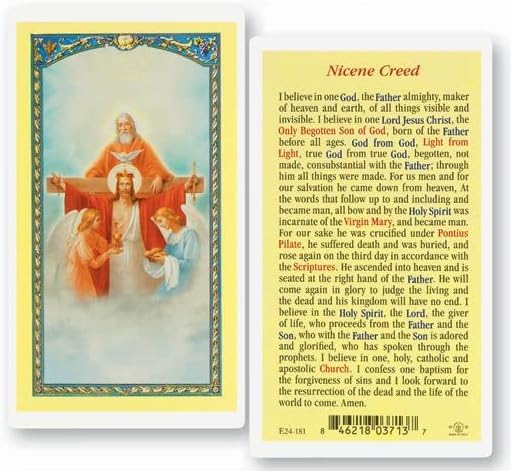
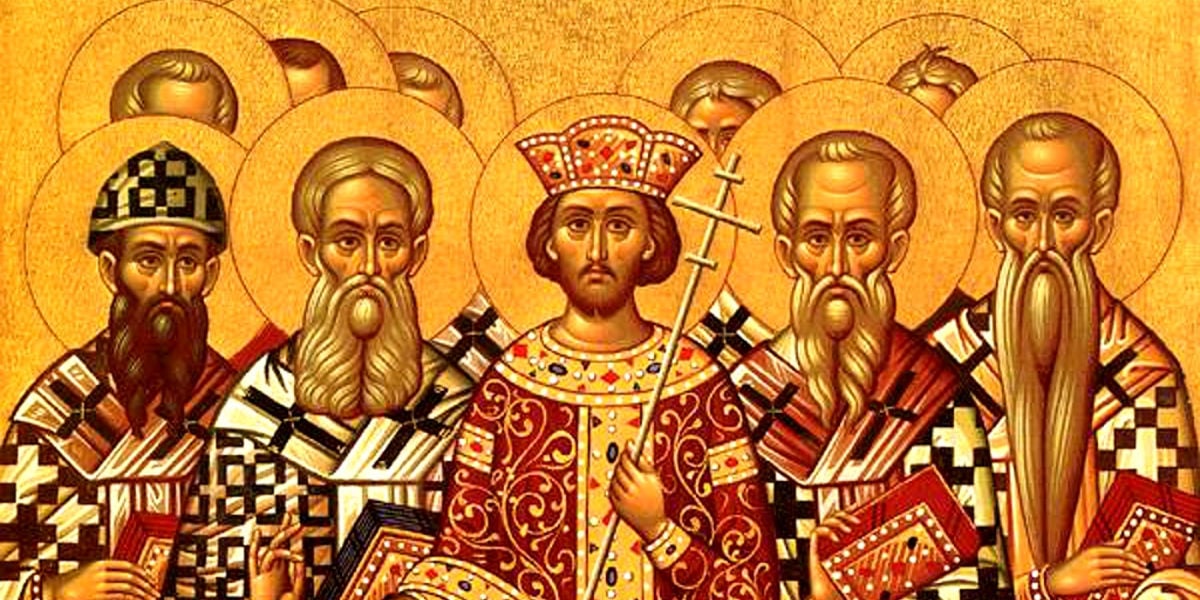
The Niceno-Constantinopolitan or Nicene Creed draws its great authority from the fact that it stems from the first two ecumenical Councils (in 325 and 381). It remains common to all the great Churches of both East and West to this day. – The Creed, CCC 195
Following this apostolic tradition, the Church confessed at the first ecumenical council at Nicaea (325) that the Son is “consubstantial” with the Father, that is, one only God with him.* The second ecumenical council, held at Constantinople in 381, kept this expression in its formulation of the Nicene Creed and confessed “the Only Begotten Son of God, born of the Father before all ages. God from God, Light from Light, true God from true God, begotten, not made, consubstantial with the Father.”* – II. The Revelation of God as Trinity, CCC 242
66 The English phrases “of one being” and “one in being” translate the Greek word homoousios, which was rendered in Latin by consubstantialis.
67 Niceno-Constantinopolitan Creed; cf. DS 150.
The apostolic faith concerning the Spirit was confessed by the second ecumenical council at Constantinople (381): “I believe in the Holy Spirit, the Lord, the giver of life, who proceeds from the Father.”* By this confession, the Church recognizes the Father as “the source and origin of the whole divinity.”* But the eternal origin of the Spirit is not unconnected with the Son’s origin: “The Holy Spirit, the third person of the Trinity, is God, one and equal with the Father and the Son, of the same substance and also of the same nature … Yet he is not called the Spirit of the Father alone, … but the Spirit of both the Father and the Son.”* The Creed of the Church from the Council of Constantinople confesses: “who with the Father and the Son is adored and glorified.”* – II. The Revelation of God as Trinity, CCC 245
71 Nicene Creed; cf. DS 150.
72 Council of Toledo VI (638): DS 490.
73 Council of Toledo XI (675): DS 527.
74 Nicene Creed; cf. DS 150.
The first heresies denied not so much Christ’s divinity as his true humanity (Gnostic Docetism). From apostolic times the Christian faith has insisted on the true incarnation of God’s Son “come in the flesh.”* But already in the third century, the Church in a council at Antioch had to affirm against Paul of Samosata that Jesus Christ is Son of God by nature and not by adoption. The first ecumenical council of Nicaea in 325 confessed in its Creed that the Son of God is “begotten, not made, consubstantial (homoousios) with the Father,” and condemned Arius, who had affirmed that the Son of God “came to be from things that were not” and that he was “from another substance” than that of the Father.* – Who Was Conceived by the Holy Spirit, Born of the Virgin Mary, CCC 465
87 Cf. 1 Jn 4:2-3; 2 Jn 7. 👈 🙏💜🕊️🔥
88 Council of Nicaea I (325): DS 130, 126.
*By this you know the Spirit of God: every spirit which confesses that Jesus Christ has come in the flesh is of God, – 1 John 4:2
For many deceivers have gone out into the world, men who will not acknowledge the coming of Jesus Christ in the flesh; such a one is the deceiver and the antichrist. – 2 John 1:7
Nicene Creed (325) 🙏💜🕊️🔥
We believe in one God, the Father almighty, maker of all things, visible and invisible;
And in one Lord Jesus Christ, the Son of God, begotten from the Father, only- begotten, that is, from the essence of the Father, God from God, light from light, true God from true God, begotten not made,1 of one essence2 with the Father, through Whom all things came into being, things in heaven and things on earth, Who because of us men and because of our salvation came down and became incarnate, becoming man, suffered and rose again on the third day, ascended to the heavens, and will come again to judge the living and the dead;
And in the Holy Spirit.
Niceno-Constantinopolitan Creed (381) 🙏💜🕊️🔥
We believe in one God, the Father Almighty, Maker of heaven and earth,3 and of all things visible and invisible;
And in one Lord Jesus Christ, the Son of God, the Only-begotten,4 Begotten of the Father before all ages,5 Light of Light, Very God of Very God, Begotten, not made; of one essence with the Father, by whom all things were made:
Who for us men and for our salvation came down from heaven, and was incarnate of the Holy Spirit and the Virgin Mary,6 and was made man;
And was crucified also for us under Pontius Pilate,7 and suffered and was buried;
And the third day He rose again, according to the Scriptures;8
And ascended into heaven, and sits at the right hand of the Father;9
And He shall come again with glory to judge the living and the dead, Whose kingdom shall have no end.10
And we believe in the Holy Spirit, the Lord, and Giver of Life, Who proceeds from the Father, Who with the Father and the Son together is worshipped and glorified, Who spoke by the Prophets;11
And we believe in one, holy, catholic, and apostolic Church.
We acknowledge one Baptism for the remission of sins.
We look for the Resurrection of the dead, And the Life of the age to come. Amen.12
Footnotes
3 Marcion
4 Uniqueness of Jesus
5 Arius
6 Divine & human, nod toward homoousios 7 Historical anchor
8 Apologetic, directed toward Jews & Marcionites
9 Role as king & advocate
10 Fulfillment of scripture
11 Macedonianism
12 Novatianism, Donatism, etc.
Here are two excellent article Nicene Creed and Apostles’ Creed of Jesus Christ is LORD (YHWH). God bless two Creed groups endorse Jesus Christ and His Divine Sacred Teachings, and Sacred Traditions and Magisterium of the Catholic Church are 3 Pillars “Legs” are Unity in Christ is The Head of Church.
Lectionary: 519
Paul addressed the people in these words:
“I am a Jew, born in Tarsus in Cilicia,
but brought up in this city.
At the feet of Gamaliel I was educated strictly in our ancestral law
and was zealous for God, just as all of you are today.
I persecuted this Way to death,
binding both men and women and delivering them to prison.
Even the high priest and the whole council of elders
can testify on my behalf.
For from them I even received letters to the brothers
and set out for Damascus to bring back to Jerusalem
in chains for punishment those there as well.
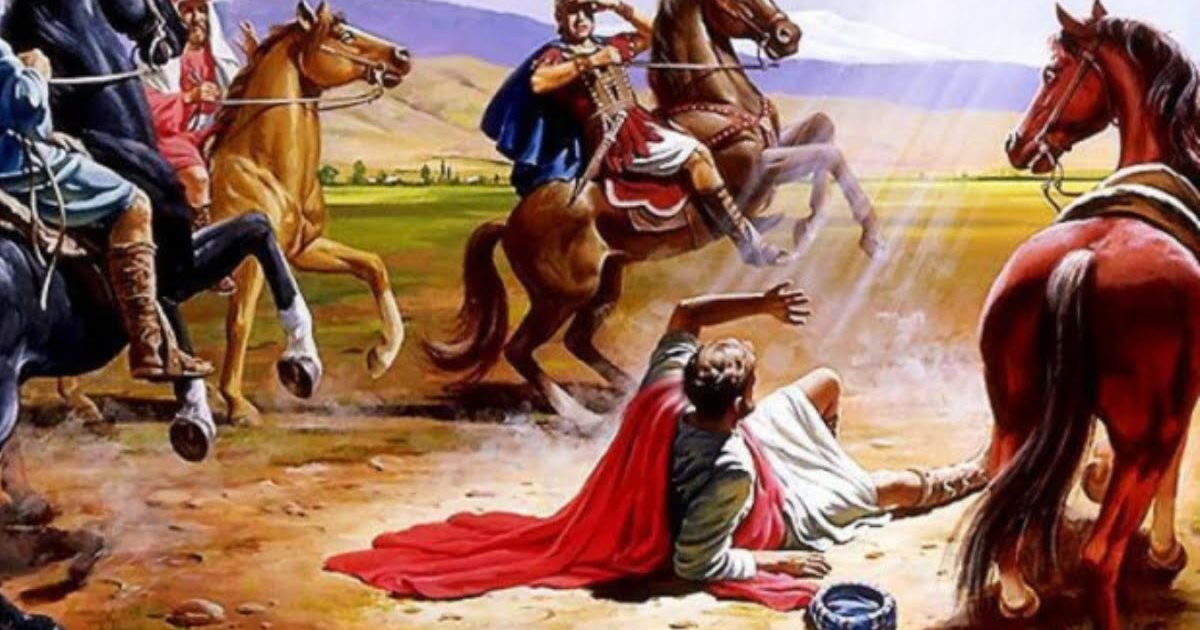
“On that journey as I drew near to Damascus,
about noon a great light from the sky suddenly shone around me.
I fell to the ground and heard a voice saying to me,
‘Saul, Saul, why are you persecuting me?’
I replied, ‘Who are you, sir?’
And he said to me,
‘I am Jesus the Nazorean whom you are persecuting.’
My companions saw the light
but did not hear the voice of the one who spoke to me.
I asked, ‘What shall I do, sir?’
The Lord answered me, ‘Get up and go into Damascus,
and there you will be told about everything
appointed for you to do.’
Since I could see nothing because of the brightness of that light,
I was led by hand by my companions and entered Damascus.
“A certain Ananias, a devout observer of the law,
and highly spoken of by all the Jews who lived there,
came to me and stood there and said,
‘Saul, my brother, regain your sight.’
And at that very moment I regained my sight and saw him.
Then he said,
‘The God of our ancestors designated you to know his will,
to see the Righteous One, and to hear the sound of his voice;
for you will be his witness before all
to what you have seen and heard.
Now, why delay?
Get up and have yourself baptized and your sins washed away,
calling upon his name.’”
OR:
Saul, still breathing murderous threats against the disciples of the Lord,
went to the high priest and asked him
for letters to the synagogues in Damascus, that,
if he should find any men or women who belonged to the Way,
he might bring them back to Jerusalem in chains.
On his journey, as he was nearing Damascus,
a light from the sky suddenly flashed around him.
He fell to the ground and heard a voice saying to him,
“Saul, Saul, why are you persecuting me?”
He said, “Who are you, sir?”
The reply came, “I am Jesus, whom you are persecuting.
Now get up and go into the city and you will be told what you must do.”
The men who were traveling with him stood speechless,
for they heard the voice but could see no one.
Saul got up from the ground,
but when he opened his eyes he could see nothing;
so they led him by the hand and brought him to Damascus.
For three days he was unable to see, and he neither ate nor drank.
There was a disciple in Damascus named Ananias,
and the Lord said to him in a vision, Ananias.”
He answered, “Here I am, Lord.”
The Lord said to him, “Get up and go to the street called Straight
and ask at the house of Judas for a man from Tarsus named Saul.
He is there praying,
and in a vision he has seen a man named Ananias
come in and lay his hands on him,
that he may regain his sight.”
But Ananias replied,
“Lord, I have heard from many sources about this man,
what evil things he has done to your holy ones in Jerusalem.
And here he has authority from the chief priests
to imprison all who call upon your name.”
But the Lord said to him,
“Go, for this man is a chosen instrument of mine
to carry my name before Gentiles, kings, and children of Israel,
and I will show him what he will have to suffer for my name.”
So Ananias went and entered the house;
laying his hands on him, he said,
“Saul, my brother, the Lord has sent me,
Jesus who appeared to you on the way by which you came,
that you may regain your sight and be filled with the Holy Spirit.”
Immediately things like scales fell from his eyes
and he regained his sight.
He got up and was baptized,
and when he had eaten, he recovered his strength.
He stayed some days with the disciples in Damascus,
and he began at once to proclaim Jesus in the synagogues,
that he is the Son of God.
All who heard him were astounded and said,
“Is not this the man who in Jerusalem
ravaged those who call upon this name,
and came here expressly to take them back in chains
to the chief priests?”
But Saul grew all the stronger
and confounded the Jews who lived in Damascus,
proving that this is the Christ.
R. (Mark 16:15) Go out to all the world, and tell the Good News.
or:
R. Alleluia, alleluia.
Praise the LORD, all you nations;
glorify him, all you peoples!
R. Go out to all the world, and tell the Good News.
or:
R. Alleluia, alleluia.
For steadfast is his kindness toward us,
and the fidelity of the Lord endures forever.
R. Go out to all the world, and tell the Good News.
or:
R. Alleluia, alleluia.
R. Alleluia, alleluia.
I chose you from the world,
to go and bear fruit that will last, says the Lord.
R. Alleluia, alleluia.
Jesus appeared to the Eleven and said to them:
“Go into the whole world
and proclaim the Gospel to every creature.
Whoever believes and is baptized will be saved;
whoever does not believe will be condemned.
These signs will accompany those who believe:
in my name they will drive out demons,
they will speak new languages.
They will pick up serpents with their hands,
and if they drink any deadly thing, it will not harm them.
They will lay hands on the sick, and they will recover.”
Are the Ananias of Acts 5 the same as Acts 9 and Acts 23 all the same person?
No. Acts contains references to three different men named Ananias:
1) The husband of Sapphira, who was struck dead in Acts 5:5.
2) A disciple (Christian) who lived in Damascus and had an active role in the conversion of Saul of Tarsus (Acts 9 and 22)
3) The high priest in Jerusalem: a member of the council before which Paul appeared in his own defense (Acts 23 and 24).
I read very interesting Ananias, a common Jewish name, the same as Hananiah. Check Ananias
Hananiah means Yah Has Been Gracious. Ananias means Yah Has Been Gracious, Graciously Given Of Yah.
From (1) the verb חנן (hanan), to be gracious, and (2) יה (yah), the shortened name of the Lord (YHWH). Check Ananias
Sarah laughed.
Genesis 18:14 Is anything too hard for the LORD (YHWH)? At the appointed time I will return to you, according to the time of life, and Sarah shall have a son.”
Sarah laughed because Abraham first laughed.
Genesis 17:17 Abraham fell face down and laughed* as he said to himself, “Can a child be born to a man who is a hundred years old?Can Sarah give birth at ninety?” 18So Abraham said to God, “If only Ishmael could live in your favor!” 19God replied: Even so, your wife Sarah is to bear you a son, and you shall call him Isaac.
Isaac means he laughs. Isaac is a boy’s name of Hebrew origin. Derived from “Yitzvah,” this name means “one who laughs or rejoices.” Isaac is a popular name for followers of the Jewish faith. Please check Isaac
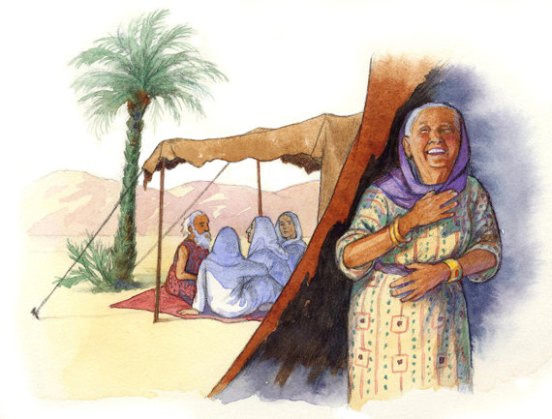
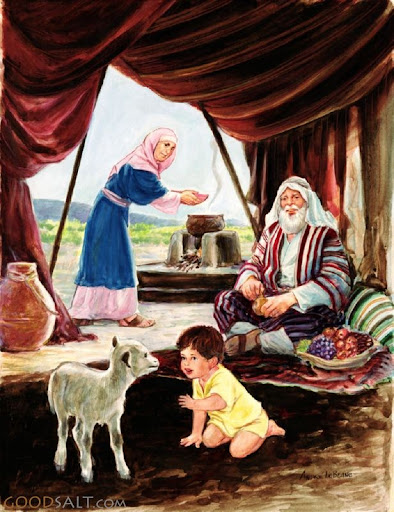
Sarah cooks while Abraham watches baby Isaac means Laughter
I enjoy reading Catholic CCC # same time Sacred Scripture and Tradition of Jesus.
I BELIEVE
144 To obey (from the Latin ob-audire, to “hear or listen to”) in faith is to submit freely to the word that has been heard, because its truth is guaranteed by God, who is Truth itself. Abraham is the model of such obedience offered us by Sacred Scripture. The Virgin Mary is its most perfect embodiment.
Abraham – “father of all who believe”
145 The Letter to the Hebrews, in its great eulogy of the faith of Israel’s ancestors, lays special emphasis on Abraham’s faith: “By faith, Abraham obeyed when he was called to go out to a place which he was to receive as an inheritance; and he went out, not knowing where he was to go.”4 By faith, he lived as a stranger and pilgrim in the promised land.5 By faith, Sarah was given to conceive the son of the promise. And by faith Abraham offered his only son in sacrifice.6
146 Abraham thus fulfills the definition of faith in Hebrews 11:1: “Faith is the assurance of things hoped for, the conviction of things not seen”:7 “Abraham believed God, and it was reckoned to him as righteousness.”8 Because he was “strong in his faith”, Abraham became the “father of all who believe”.9
147 The Old Testament is rich in witnesses to this faith. The Letter to the Hebrews proclaims its eulogy of the exemplary faith of the ancestors who “received divine approval”.10 Yet “God had foreseen something better for us”: the grace of believing in his Son Jesus, “the pioneer and perfecter of our faith”.11
4 Heb 11:8; cf. Gen 12:1-4.
5 Cf. Gen 23:4.
6 Cf. Heb 11:17.
7 Heb 11:1.
8 Rom 4:3; cf. Gen 15:6.
9 Rom 4:11,18; 4:20; cf. Gen 15:5.
10 Heb 11:2, 39.
11 Heb 11:40; 12:2.
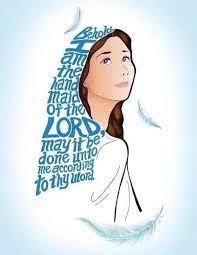
Luke 1:38 USCCB Please read Luke 1 USCCB
Mary said, “Behold, I am the handmaid of the Lord. May it be done to me according to your word.” Then the angel departed from her.
Mary – “Blessed is she who believed”
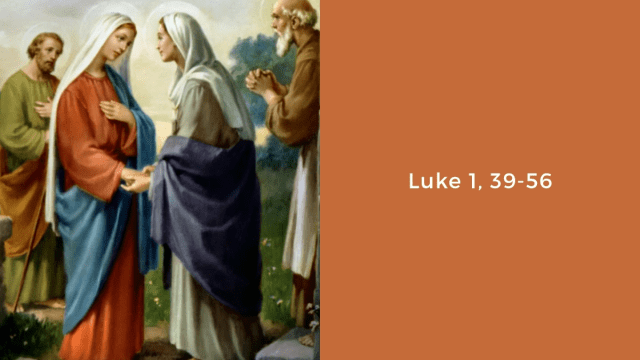
148 The Virgin Mary most perfectly embodies the obedience of faith. By faith Mary welcomes the tidings and promise brought by the angel Gabriel, believing that “with God nothing will be impossible” and so giving her assent: “Behold I am the handmaid of the Lord; let it be [done] to me according to your word.”12 Elizabeth greeted her: “Blessed is she who believed that there would be a fulfillment of what was spoken to her from the Lord.”13 It is for this faith that all generations have called Mary blessed.14
149 Throughout her life and until her last ordeal15 when Jesus her son died on the cross, Mary’s faith never wavered. She never ceased to believe in the fulfillment of God’s word. And so the Church venerates in Mary the purest realization of faith.
12 Lk 1:37-38; cf. Gen 18:14.
13 Lk 1:45.
14 Cf. Lk 1:48.
15 Cf. Lk 2:35.
CATECHISM OF THE CATHOLIC CHURCH
SECOND EDITION
The eremitic life
920 Without always professing the three evangelical counsels publicly, hermits “devote their life to the praise of God and salvation of the world through a stricter separation from the world, the silence of solitude and assiduous prayer and penance.”460
921 They manifest to everyone the interior aspect of the mystery of the Church, that is, personal intimacy with Christ. Hidden from the eyes of men, the life of the hermit is a silent preaching of the Lord, to whom he has surrendered his life simply because he is everything to him. Here is a particular call to find in the desert, in the thick of spiritual battle, the glory of the Crucified One.
460 CIC, can. 603 § 1.
Code of Canon Law
Can. 603 §1. In addition to institutes of consecrated life, the Church recognizes the eremitic or anchoritic life by which the Christian faithful devote their life to the praise of God and the salvation of the world through a stricter withdrawal from the world, the silence of solitude, and assiduous prayer and penance.
§2. A hermit is recognized by law as one dedicated to God in consecrated life if he or she publicly professes in the hands of the diocesan bishop the three evangelical counsels, confirmed by vow or other sacred bond, and observes a proper program of living under his direction.
Please click Code of Canon Law
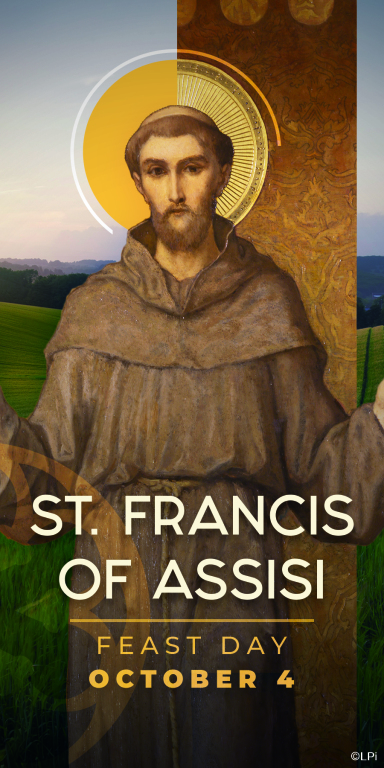
Please click St. Francis of Assisi “An Eremitic Life”
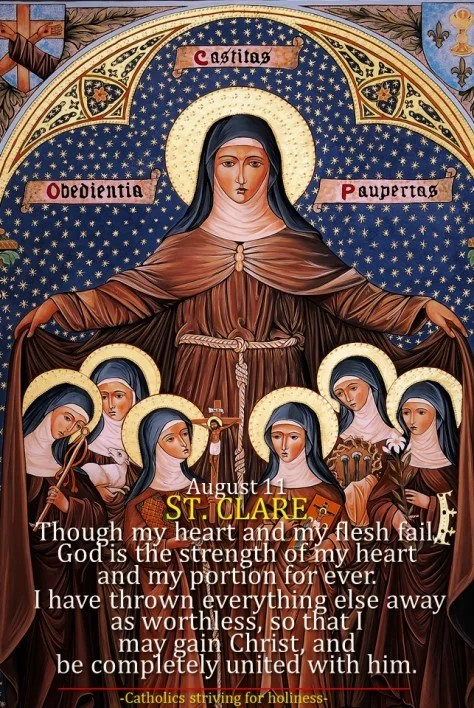
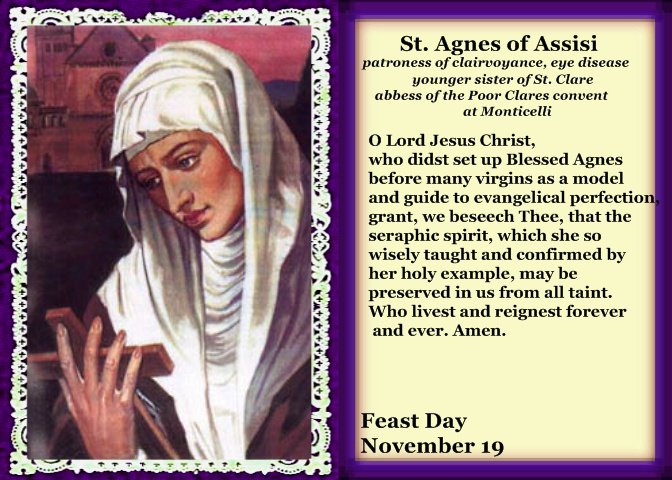
Saint Agnes of Assisi’s Story: Saint of the Feast Day for November 19
Agnes in Latin agnus means “holy pure lamb”. That’s why I see on John 1:29.
Agnus Dei is the Latin title under which the “Lamb of God” refers Jesus. The Sacred Scripture of the title “Lamb of God” in liturgy is based on John 1:29, in which St. John the Baptist, upon seeing Jesus, proclaims “Behold, the Lamb of God, who takes away the sin of the world!”
Born Caterina Offreducia, Agnes was the younger sister of Saint Clare, and her first follower. When Caterina left home two weeks after Clare’s departure, their family attempted to bring her back by force. They tried to drag her out of the monastery, but her body suddenly became so heavy that several knights could not budge it. Her uncle Monaldo tried to strike her but was temporarily paralyzed. The knights then left Caterina and Clare in peace. Saint Francis himself gave Clare’s sister the name Agnes, because she was gentle like a young lamb.
Agnes matched her sister in devotion to prayer and in willingness to endure the strict penances that characterized the Poor Ladies’ lives at San Damiano. In 1221, a group of Benedictine nuns in Monticelli near Florence asked to become Poor Ladies. Saint Clare sent Agnes to become abbess of that monastery. Agnes soon wrote a rather sad letter about how much she missed Clare and the other nuns at San Damiano. After establishing other monasteries of Poor Ladies in northern Italy, Agnes was recalled to San Damiano in 1253, as Clare lay dying.
Three months later Agnes followed Clare in death, and was canonized in 1753. Agnes of Assisi (1197 or 1198 – 16 November 1253) was a younger sister of Clare of Assisi and one of the first abbesses of the Order of Poor Ladies (now the Poor Clares). Pope Benedict XIV canonized her as a saint in 1753. Please check on St. Agnes of Assisi
Update on January 23, 2024
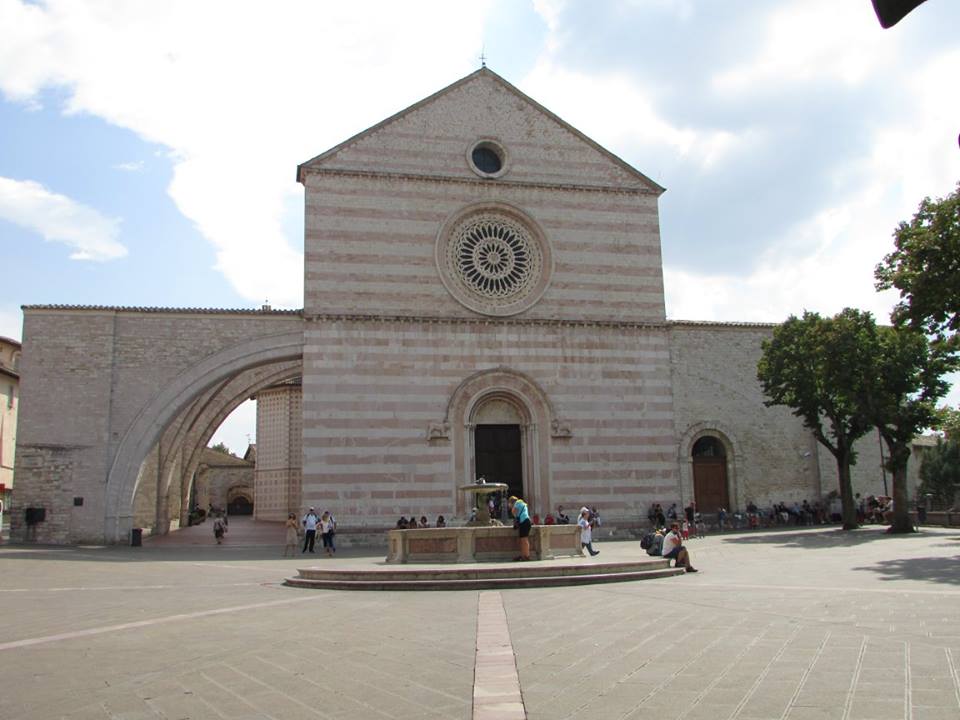
Agnes died three months after the death of Clare, on November 16, 1253, at the monastery of San Damiano of natural causes at the age of 56, Her mother, Hortulana, and a younger sister, Beatrice, had already died, and Agnes was buried near them in the Church of Santa Chiara in Assisi, Italy.
The Basilica of Saint Clare is a church in Assisi, central Italy. It is dedicated to and contains the remains of Clare of Assisi, a follower of Francis of Assisi and founder of the Order of Poor Ladies, known today as the Order of Saint Clare. Basilica of Saint Clare.
St Agnes of Assisi, Provincia di Perugia, Umbria, Italy Burial Site Photo:
Saint Quote
“I come, O Lord, unto Thy sanctuary to see the life and food of my soul. As I hope in Thee, O Lord, inspire me with that confidence which brings me to Thy holy mountain. Permit me, Divine Jesus, to come closer to Thee, that my whole soul may do homage to the greatness of Thy majesty; that my heart, with its tenderest affections, may acknowledge Thine infinite love; that my memory may dwell on the admirable mysteries here renewed every day, and that the sacrifice of my whole being may accompany Thine.”
~St. Agnes of Assisi
Prayer
Father of mercies,
St Agnes did not hesitate to suffer for love of you.
Grant that we too may be willing to share
whatever comes our way,
and always seek your will.
We make our prayer through Christ our Lord .
Amen.
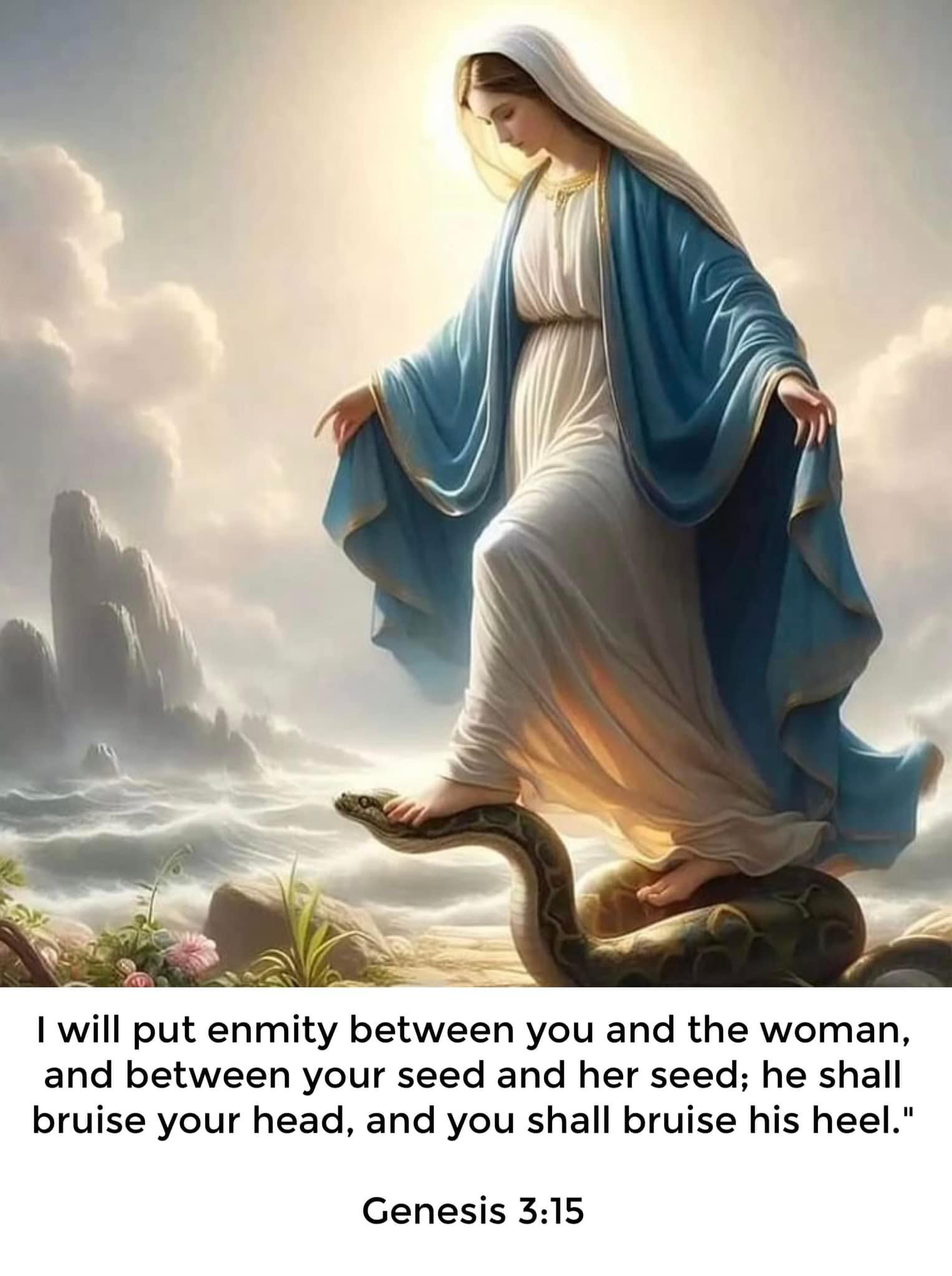
And when the dragon saw that he had been thrown down to the earth, he pursued the woman who had borne the male child. But the woman was given the two wings of the great eagle that she might fly from the serpent into the wilderness, to the place where she is to be nourished for a time, and times, and half a time.* The serpent poured water like a river out of his mouth after the woman, to sweep her away with the flood. But the earth came to the help of the woman, and the earth opened its mouth and swallowed the river which the dragon had poured from his mouth. Then the dragon was angry with the woman,* and went off to make war on the rest of her offspring, on those who keep the commandments of God and bear testimony to Jesus. And he stood* on the sand of the sea. – Revelation 12:13-17
Please click read Revelation 12

 Jesus Christ is New Paschal Lamb of God
You must be logged in to post a comment.