On September 16, 2023 (1 Tishri 5784) Rosh haShanah same time I received new Confirmation and new Eucharist into the Presence of Christ is The Body, Blood, Soul and Divinity at Most Blessed Sacrament Catholic Church.
Don’t forgot January 6th: The feast of the Epiphany commemorates the arrival of the magi (sometimes referred to as Three Kings or Wise Men) to visit Infant Jesus.
It is a special date for many Christians as it’s when people celebrate how a star led the Magi – also known as the Three kings or the Wise Men – to visit the baby Jesus after he had been born. ‘Epiphany’ comes from the Greek word meaning ‘to reveal’, as it is when the baby Jesus was ‘revealed’ to the world.
Epiphany literally means the word “epiphaneia” is Greek for “appearance” or “manifestation”.
Example: YHWH appeared Adam, ……, Noah, Abraham, Issac, Jacob, ….., Moses, …..David, ….. in Old Testament (Old Covenant).
The USCCB describes the Epiphany simply by saying it “marks the arrival of visitors, identified in Scripture as the magi, to the place where Jesus was born.” The word itself means “divine revelation.”
Matthew 2:10 They [Magi three wise men: Melchior, Caspar, and Balthazar] were overjoyed at seeing the star 🙏📿🕯️✨
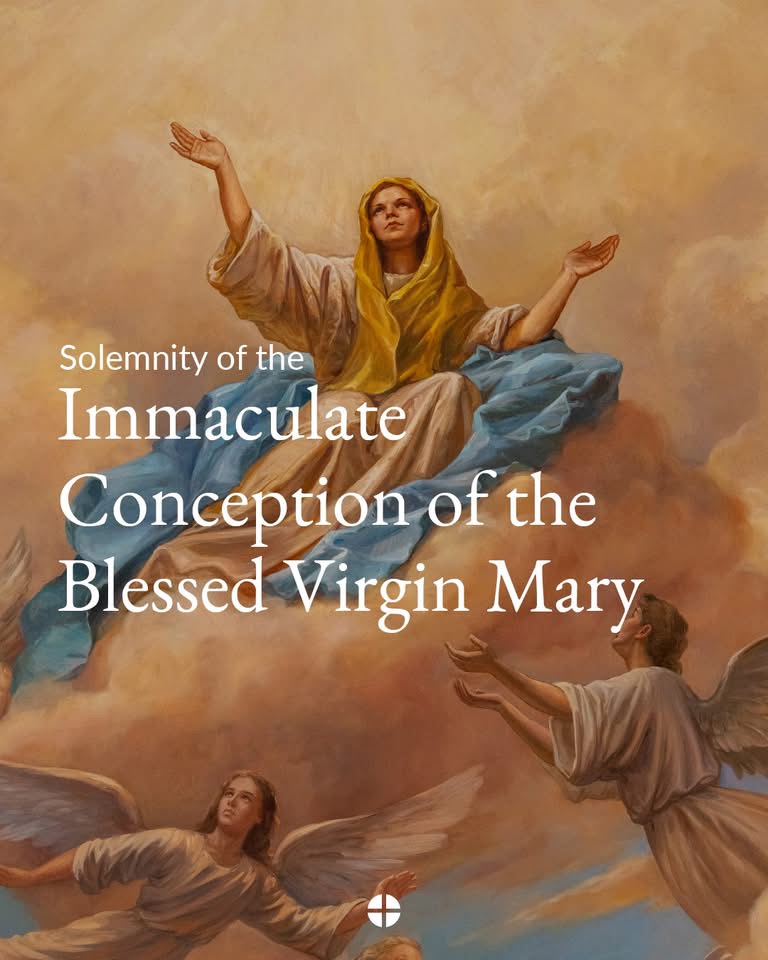
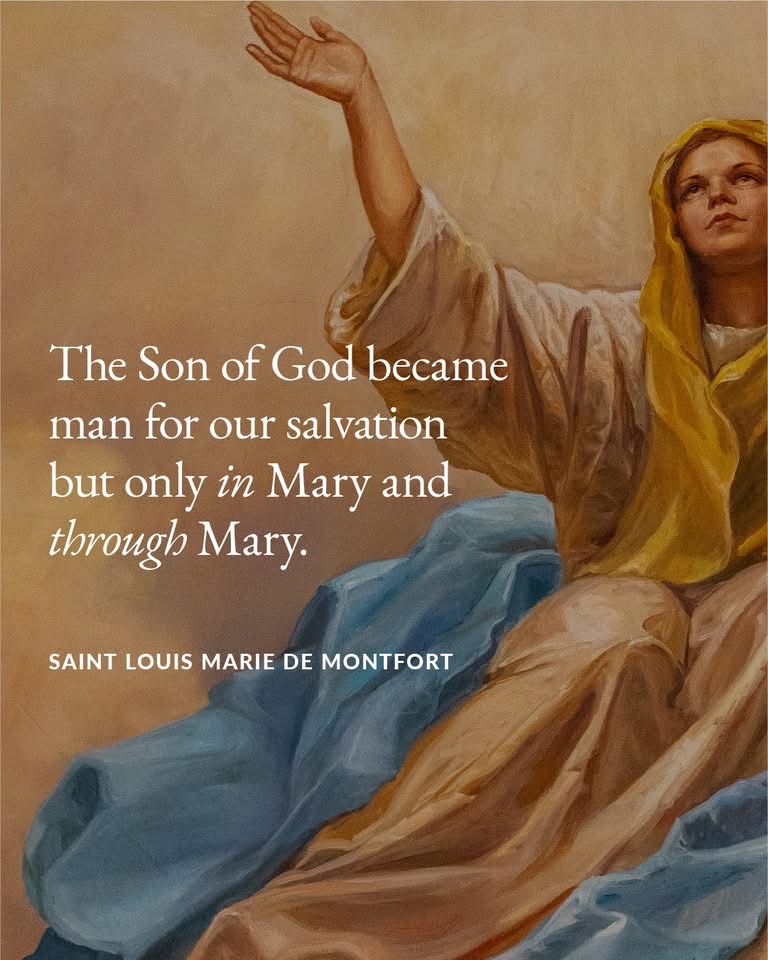
The Solemnity of the Immaculate Conception celebrates the Immaculate Conception of the Blessed Virgin Mary on 8 December, nine months before the feast of the Nativity of Mary on 8 September. It is one of the most important Marian feasts in the liturgical calendar of the Latin Church.
The Catechism of the Catholic Church explains that “to become the mother of the Savior, Mary ‘was enriched by God with gifts appropriate to such a role.’ The angel Gabriel at the moment of the annunciation salutes her as ‘full of grace.’ In fact, in order for Mary to be able to give the free assent of her faith to the announcement of her vocation, it was necessary that she be wholly borne by God’s grace” (No. 490).
“Through the centuries the Church has become ever more aware that Mary, ‘full of grace’ through God, was redeemed from the moment of her conception,” the catechism states. “That is what the dogma of the Immaculate Conception confesses, as Pope Pius IX proclaimed in 1854” (No. 491).
The Feast of the Immaculate Conception of the Blessed Virgin Mary is celebrated on December 8th. It is a Catholic feast that commemorates Mary’s conception without sin.The feast is one of the most important Marian feasts in the Latin Church’s liturgical calendar.
On December 8, 1854, Pope Pius IX proclaimed the Immaculate Conception a dogma of the Catholic faith in the bull Ineffabilis Deus. Four years later, Saint Bernadette reported that Mary appeared to her at Lourdes and identified herself as “I am the Immaculate Conception”.
This year on 2024: December 9th the Second Advent:
Today is the Solemnity of the Immaculate Conception of Mary, the solemn dogma defined by Blessed Pope Pius IX in 1854. As Our Lady Immaculately Conceived is the patroness of the United States of America, this is a holy day of obligation in the United States. The Solemnity was transferred from the 8th because of the Sunday Liturgy of Advent. ❤️🤟🙏📿🕯️
Isaiah in Hebrew: Yeshayahu means Yahweh is Salvation.
According to the Catholic understanding of Luke 3, which references Isaiah 40:3, the prophecy about “preparing the way of the Lord” was made hundreds of years before Jesus’ birth, with most scholars estimating the time of Isaiah’s writing to be around 700 years before Christ.
Key points:
The prophecy: In Luke 3:4, John the Baptist is described as fulfilling Isaiah’s prophecy: “A voice cries out in the wilderness, ‘Prepare the way of the Lord, make straight paths for him.'”
Timeframe: Isaiah lived during the time of the Kings of Judah, roughly 700 years before Jesus.
Significance: This is considered a Messianic prophecy, meaning it is interpreted as predicting the coming of the Messiah (Jesus).
Isaiah 40:3-5 New Catholic Bible A voice cries out: In the wilderness prepare the way of the Lord; make a straight path in the desert for our God. 4 Let every valley be filled in and every mountain and hill be made low. Uneven ground will be made smooth and the rugged places will become a plain. 5 Then the glory of the Lord will be revealed, and all mankind will see it together, for the mouth of the Lord has spoken.
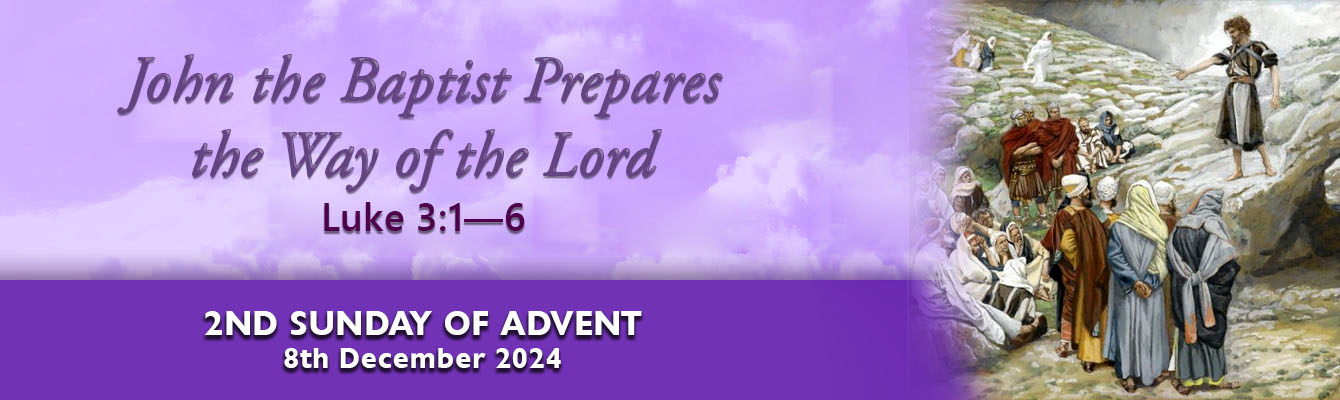
Luke 3:1-6 New Catholic Bible
The Ministry of John the Baptist. 1 In the fifteenth year of the reign of Tiberius Caesar, when Pontius Pilate was governor of Judea, and Herod was tetrarch of Galilee, and his brother Philip was tetrarch of the region of Ituraea and Trachonitis, and Lysanias[b] was tetrarch of Abilene, 2 during the high priesthood of Annas and Caiaphas,[c] the word of God came to John the son of Zechariah in the desert. 3 He [John the Baptist] journeyed throughout the entire region of the Jordan valley, proclaiming a baptism of repentance for the forgiveness of sins, 4 as it is written in the book of the words of the prophet Isaiah:
“The voice of one crying out in the wilderness: ‘Prepare the way of the Lord, make straight his paths. 5 Every valley shall be filled in, and every mountain and hill shall be leveled; the winding roads shall be straightened and the rough paths made smooth, 6 and all mankind shall see the salvation of God.’ ”
Today is the Feast of the Visitation, when the Blessed Virgin Mary, while pregnant with Jesus, greeted her cousin, Elizabeth is six months pregnant (Luke 1:36), despite being older and formerly barren (Luke 1:5–7, 13). Her child will come to be known as St. John the Baptist (Luke 3:2–3), an important precursor to the Messiah (Luke 1:14–17). St. John the Baptist (Immerser) and his anointed Holy Ghost role in preparing reaching toward people for the coming of the Messiah (Christ) means Anointed One.
Blessed are you among women, and blessed is the fruit of your womb! And why is this granted me, that the mother of my Lord should come to me? For behold, when the voice of your greeting came to my ears, the babe in my womb leaped for joy. And blessed is she who believed that there would be a fulfilment of what was spoken to her from the Lord. (Luke 1:42-45)
The Catechism of the Catholic Church (n. 495) states,
“Called in the Gospels ‘the mother of Jesus,’ Mary is acclaimed by Elizabeth, at the prompting of the Spirit and even before the birth of her son, as ‘the mother of my Lord’.” While we do not know the word used by St. Elizabeth in Aramaic, the word used here by St. Luke, Kurios, is the Greek word chosen by the rabbis to translate the divine name of God, YHWH (I AM) into Greek. Not only is Elizabeth identifying Jesus as God, therefore, but Mary as the Mother of God. 🤟🙏❤️🕊️🔥📿🙏
Mary set out and traveled to the hill country in haste to a town of Judah, where she entered the house of Zechariah and greeted Elizabeth. When Elizabeth heard Mary’s greeting, the infant leaped in her womb, and Elizabeth, filled with the Holy Spirit, cried out in a loud voice and said, “Most blessed are you among women, and blessed is the fruit of your womb. And how does this happen to me, that the mother of my Lord should come to me? For at the moment the sound of your greeting reached my ears, the infant in my womb leaped for joy. Blessed are you who believed that what was spoken to you by the Lord would be fulfilled.”
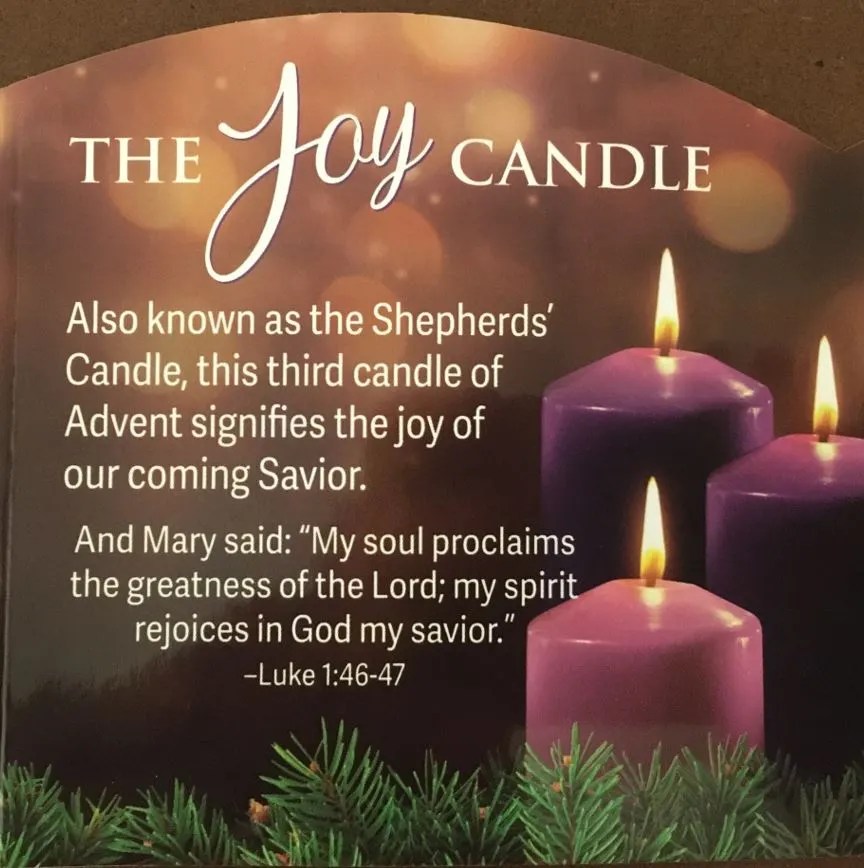
And Mary said: “My soul proclaims the greatness of the Lord; my spirit rejoices in God my Savior, for he has looked with favor on his lowly servant. From this day all generations will call me blessed: the Almighty has done great things for me, and holy is his Name.
He has mercy on those who fear him in every generation. He has shown the strength of his arm, he has scattered the proud in their conceit. He has cast down the mighty from their thrones, and has lifted up the lowly. He has filled the hungry with good things, and the rich he has sent away empty. He has come to the help of his servant Israel for he has remembered his promise of mercy, the promise he made to our fathers, to Abraham and his children for ever.”
Mary remained with her about three months and then returned to her home.



 Jesus Christ is New Paschal Lamb of God
You must be logged in to post a comment.