On September 16, 2023 (1 Tishri 5784) Rosh haShanah same time I received new Confirmation and new Eucharist into the Presence of Christ is The Body, Blood, Soul and Divinity at Most Blessed Sacrament Catholic Church.
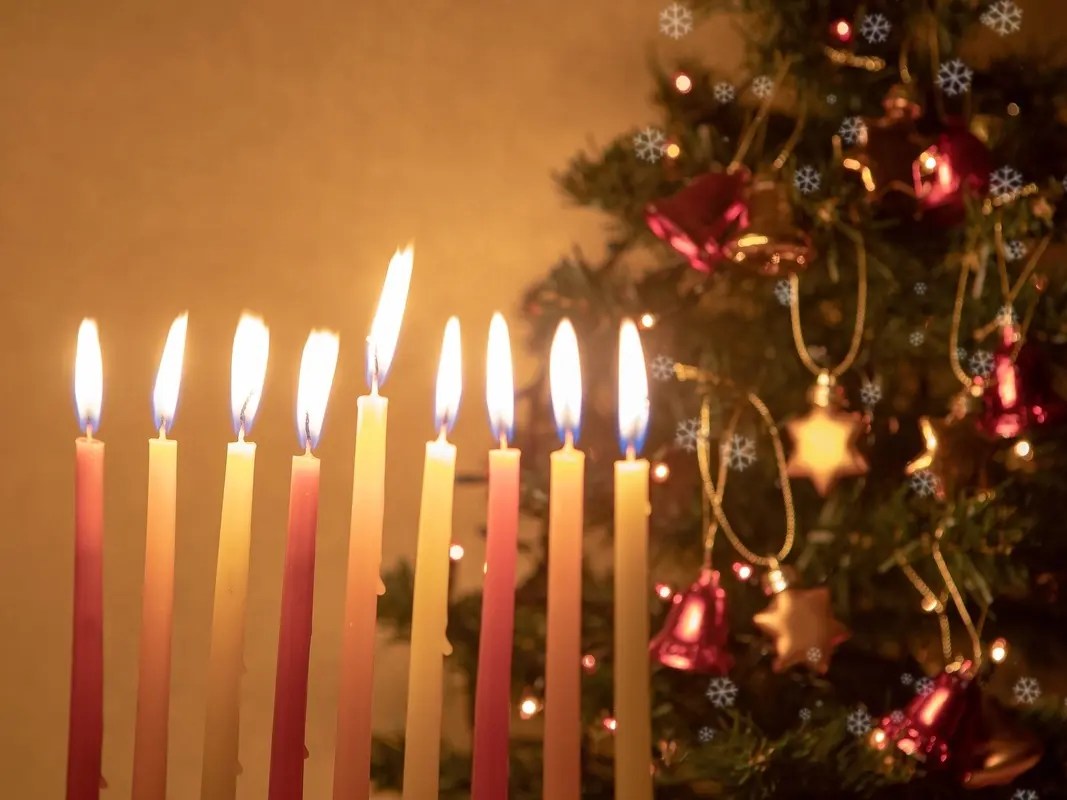
This year on December 25, 2024, Christ’s Mass (Christmas) is on December 25th same time Chanukah/Hanukkah also is on December 25th Hanukkah always is on Jewish Calendar 25 of Kislev (November/December).
In 2024, Hanukkah begins at sundown on Wednesday, Dec. 25, 2024 and lasts until sundown on Thursday, Jan. 2, 2025.
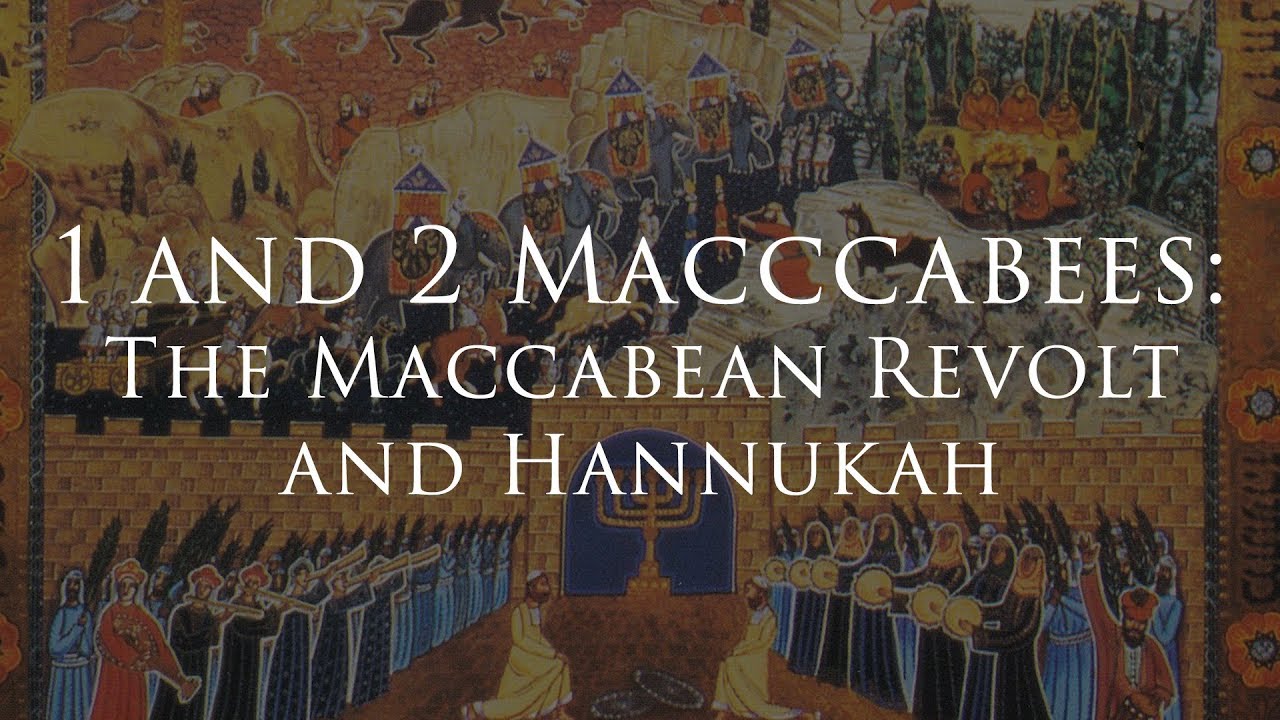
Yes, we all read the book of Maccabees 1 and 2 in Old Testament USCCB:
Catholic Church endorse the true history of 1 and 2 Maccabees into Catholic Bible. Please click 1 Maccabees and 2 Maccabees
The rededication of the Jerusalem Temple described in 4:36–59 (see 2 Mac 10:1–8) is the origin of the Jewish feast of Hanukkah.
The Hebrew word Chanukah means “dedication” and is the name of a Jewish holiday that commemorates the rededication of the Second Temple in Jerusalem:
Hanukkah Meaning “Dedication” in Hebrew
What it celebrates The rededication of the Second Temple in Jerusalem after a small group of Jewish fighters liberated it from Greek-Syrian oppressors in 164 BC
When it’s celebrated Begins on the 25th day of Kislev on the Hebrew calendar, which usually falls in November or December
How it’s celebrated Lighting the menorah, eating traditional foods, playing games, and giving gifts
The holiday is also known as the Festival of Lights. The name comes from the Hebrew verb חנך, which means “to dedicate”.
Answer: Yes and we all read joyous Catholic Sacred Scripture and Tradition.
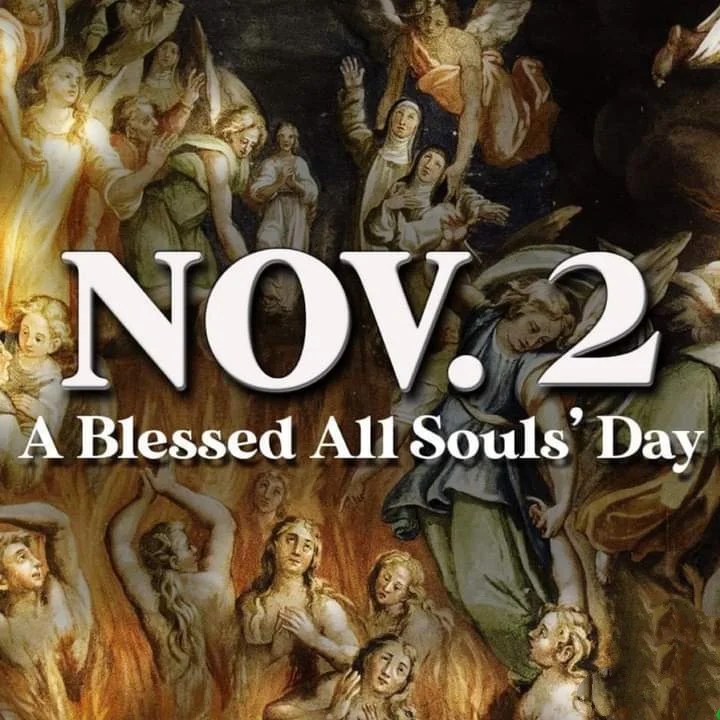
🙏📿 The word purgatory is derived from the Latin purgation, which means “cleansing” or “purification.” Just as gold is purged of dross in the refining process, so Scripture teaches that we are to be purified of all that is sinful or unclean. For instance, Psalm 51:7-10 USCCB reads:
Catholic Church endorse joyfully according to the Bible, Judas Maccabeus prayed for the dead on the day after the Sabbath, following the victory over the men of Gorgias. The true story is told in 2 Maccabees 12:38-46.
Before New Covenant (New Testament) begins, In Old Covenant (Old Testament) we read and find a Jewish hero named Judas Maccabeus, about a century and a half before Jesus Christ is New Covenant, praying for the Jewish warriors dead and specifically asking they be forgiven their sins after they have died (2 Macc. 12:43-46). This practice, known today as the Mourner’s Kaddish, was well established among Jews in Jesus’ own time. (Jews have historically believed, and many still believe, that the souls of the faithful departed undergo a period of purification, which may be aided by the prayers and charity of the living.)
Yes, and Judas Maccabeus prayed for the dead in the Bible, in the book of 2 Maccabees 12:39-42:
Prayer: Judas and his men prayed for the dead to be forgiven for their sins.
Collection: Judas collected silver to send to Jerusalem as a sin offering for the dead.
Sacrifice: Judas ordered sacrifices to be offered in the Temple in Jerusalem for the slain soldiers.
Exhortation: Judas exhorted the people to avoid sin.
The true story of Judas praying for the dead is interpreted as a biblical justification for the teaching of purgatory. It also shows the belief that prayers from the living can help purify the dead.
38Judas rallied his army and went to the city of Adullam. As the seventh day was approaching, they purified themselves according to custom and kept the sabbath there.
39On the following day, since the task had now become urgent, Judas and his companions went to gather up the bodies of the fallen and bury them with their kindred in their ancestral tombs.
40But under the tunic of each of the dead they found amulets sacred to the idols of Jamnia, which the law forbids the Jews to wear. So it was clear to all that this was why these men had fallen.f
41They all therefore praised the ways of the Lord, the just judge who brings to light the things that are hidden.
42* Turning to supplication, they prayed that the sinful deed might be fully blotted out. The noble Judas exhorted the people to keep themselves free from sin, for they had seen with their own eyes what had happened because of the sin of those who had fallen.g
43He then took up a collection among all his soldiers, amounting to two thousand silver drachmas, which he sent to Jerusalem to provide for an expiatory sacrifice. In doing this he acted in a very excellent and noble way, inasmuch as he had the resurrection in mind;
44for if he were not expecting the fallen to rise again, it would have been superfluous and foolish to pray for the dead.
45But if he did this with a view to the splendid reward that awaits those who had gone to rest in godliness, it was a holy and pious thought.
46Thus he made atonement for the dead that they might be absolved from their sin.
For no other foundation can any one lay than that which is laid, which is Jesus Christ. Now if any one builds on the foundation with gold, silver, precious stones, wood, hay, straw— each man’s work will become manifest; for the Day* will disclose it, because it will be revealed with fire, and the fire will test what sort of work each one has done. If the work which any man has built on the foundation survives, he will receive a reward. If any man’s work is burned up, he will suffer loss, though he himself will be saved, but only as through fire. – 1 Corinthians 3:11-15
* [3:13] The Day: the great day of Yahweh, the day of judgment, which can be a time of either gloom or joy. Fire both destroys and purifies.

 Jesus Christ is New Paschal Lamb of God
You must be logged in to post a comment.